Category: Finance

  • Mint Personal Finance Safe Securing Your Financial Future

    Mint Personal Finance Safe Securing Your Financial Future

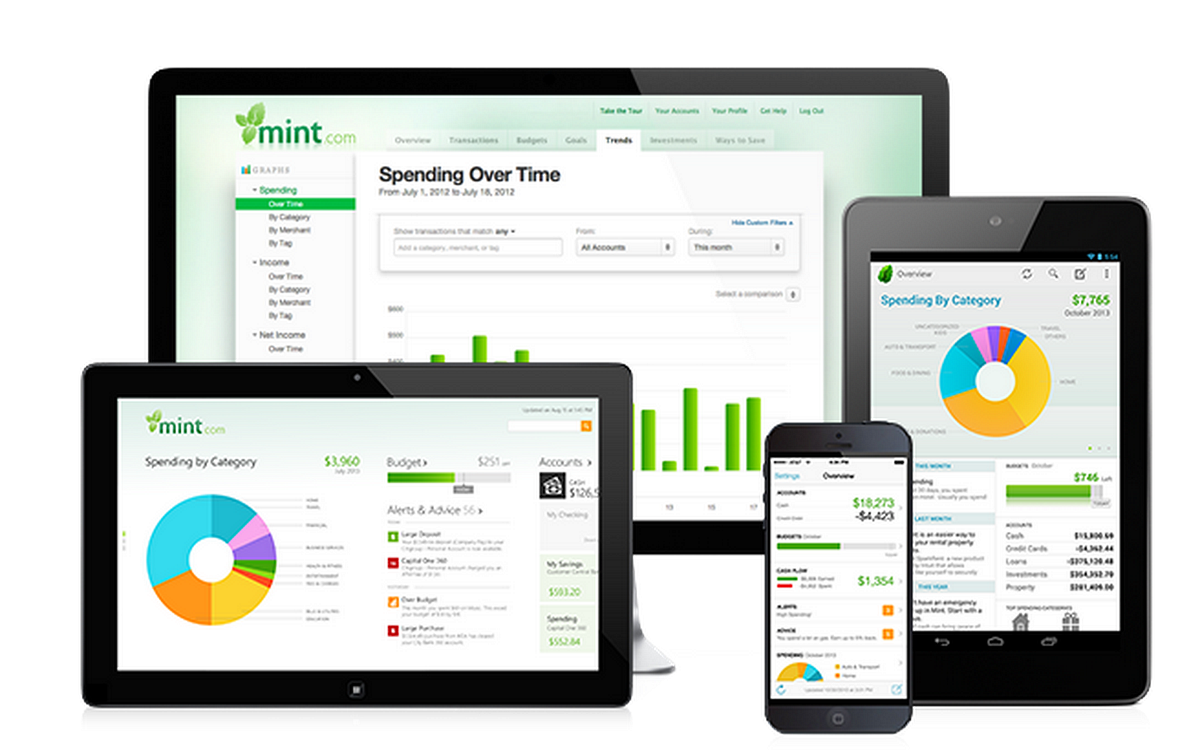
    Suarapublik – Mint Personal Finance Safe is a powerful tool that empowers individuals to take control of their financial lives. It goes beyond simply tracking expenses and income; it actively helps users achieve their financial goals by providing valuable insights and actionable advice.

    With its intuitive interface and comprehensive features, Mint makes managing your money easier than ever before. From budgeting and saving to investing and debt management, Mint offers a wide range of tools to help you navigate the complexities of personal finance. But beyond its functionality, Mint’s commitment to security is what truly sets it apart.

    Mint’s Security Features
    Mint personal finance safe

    Mint, a popular personal finance management platform, prioritizes the security of its users’ financial data. It implements a comprehensive set of measures to protect against unauthorized access and data breaches.

    Security Measures

    Mint employs a multi-layered approach to security, encompassing encryption, authentication, and regular security audits. These measures are designed to safeguard user data at every stage of its lifecycle.

    • Data Encryption: Mint encrypts all sensitive user data, including financial information, passwords, and transaction details, both in transit and at rest. This ensures that even if data is intercepted, it remains unreadable without the appropriate decryption key.
    • Two-Factor Authentication (2FA): Mint offers 2FA as an extra layer of security. When enabled, users are required to provide an additional code, usually generated by a mobile app or sent via SMS, in addition to their password during login. This makes it significantly harder for unauthorized individuals to access accounts, even if they obtain a user’s password.
    • Regular Security Audits: Mint conducts regular security audits to identify and address potential vulnerabilities. These audits are performed by independent security experts and involve thorough assessments of Mint’s systems, applications, and infrastructure. By proactively identifying and addressing vulnerabilities, Mint aims to maintain a robust security posture.

    Safeguarding Against Unauthorized Access

    Mint implements various measures to prevent unauthorized access to user data. These measures include access controls, user authentication, and robust infrastructure security.

    • Access Controls: Mint uses role-based access control (RBAC) to restrict access to sensitive data based on user roles and permissions. This ensures that only authorized personnel can access specific information. For example, customer support representatives may have access to basic account information but not to sensitive financial details.
    • User Authentication: Mint uses strong password policies and multi-factor authentication to verify user identities. Users are required to create complex passwords and can choose to enable 2FA for additional security. This helps prevent unauthorized access to accounts.
    • Infrastructure Security: Mint maintains a secure infrastructure with firewalls, intrusion detection systems (IDS), and other security measures to protect against external threats. This includes regular updates and patches to address vulnerabilities and protect against malware and other malicious attacks.

    Comparison with Other Personal Finance Platforms

    Mint’s security practices are generally considered to be in line with or exceed those of other leading personal finance platforms. Many platforms implement similar security measures, such as encryption, 2FA, and regular security audits. However, Mint’s commitment to security and its proactive approach to vulnerability management have earned it a reputation for strong security practices.

    Mint’s Data Privacy and Security
    Mint personal finance safe

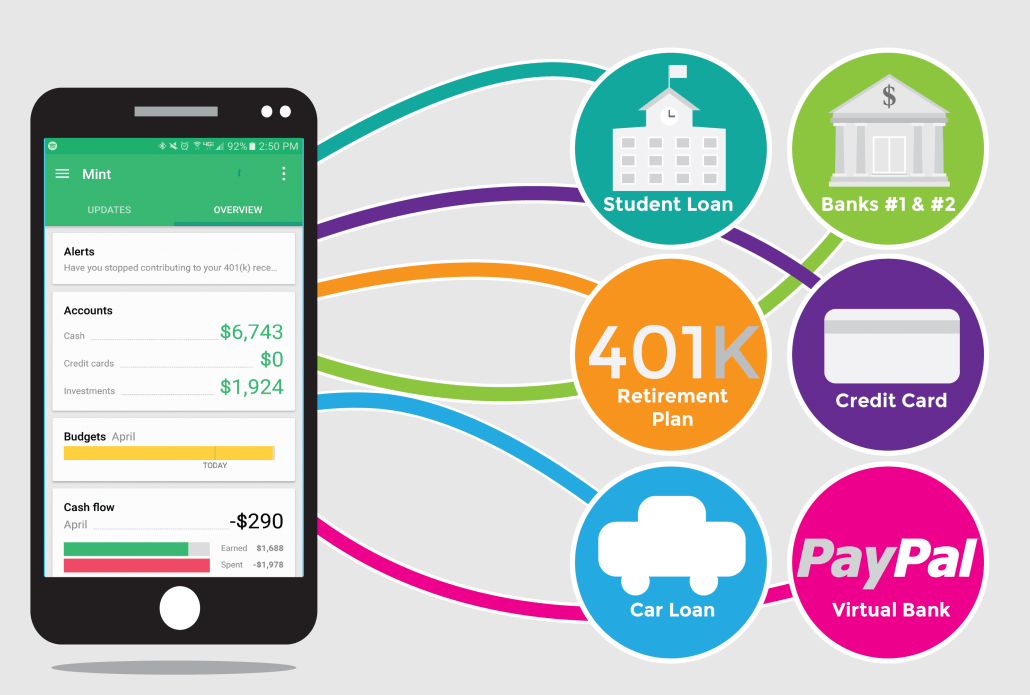
    Mint, like any other financial service provider, takes data privacy seriously. They have a comprehensive set of policies and practices in place to safeguard your financial information.

    Mint’s Data Privacy Policies

    Mint’s privacy policy Artikels how they collect, use, share, and protect your personal information. It covers various aspects, including data collection practices, data security measures, and your rights regarding your data.

    • Data Collection: Mint collects information directly from you when you sign up for an account, as well as indirectly from your financial institutions when you link your accounts. This information includes your name, address, email address, financial account details, and transaction history.
    • Data Usage: Mint uses your data to provide you with personalized financial insights, budgeting tools, and financial management features. They also use your data to improve their services, develop new features, and for marketing purposes.
    • Data Sharing: Mint may share your data with third-party service providers who help them operate their business. These providers are bound by confidentiality agreements and are prohibited from using your data for any other purpose. Mint may also share your data with law enforcement or regulatory agencies if required by law.
    • Data Security: Mint employs various security measures to protect your data from unauthorized access, use, disclosure, alteration, or destruction. These measures include encryption, firewalls, and access controls.

    Data Handling and Compliance

    Mint adheres to industry best practices and complies with relevant regulations, such as the General Data Protection Regulation (GDPR) and the California Consumer Privacy Act (CCPA). They have a dedicated team responsible for data privacy and security, who regularly review and update their policies and practices.

    Opting Out of Data Sharing and Managing Privacy Settings

    You have the right to opt out of certain data sharing practices within Mint. You can manage your privacy settings by accessing your account settings and adjusting your preferences. This includes controlling how your data is used for marketing purposes and managing the sharing of your information with third parties.

    Mint’s privacy policy states: “You have the right to access, correct, delete, or restrict the processing of your personal data. You also have the right to object to the processing of your data, and the right to data portability.”

    Using Mint Safely

    Mint is a powerful tool for managing your finances, but like any online service, it’s important to use it safely. By following a few simple best practices, you can protect your information and ensure that your Mint account remains secure.

    Strong Passwords

    Creating strong passwords is essential for protecting your online accounts. A strong password is at least 12 characters long, and includes a combination of uppercase and lowercase letters, numbers, and symbols. For example, “MyP@sswOrd123” is a stronger password than “password123”.

    • Avoid using personal information: Don’t use your name, birthday, or address in your password.
    • Don’t reuse passwords: Use a different password for each of your online accounts. This way, if one account is compromised, your other accounts will be safe.
    • Use a password manager: A password manager can help you create and store strong, unique passwords for all of your online accounts.

    Two-Factor Authentication, Mint personal finance safe

    Two-factor authentication (2FA) adds an extra layer of security to your account by requiring you to enter a code from your phone or email in addition to your password. This makes it much harder for unauthorized users to access your account, even if they know your password.

    • Enable 2FA: Mint offers 2FA as a security option. You can enable it by going to your account settings.
    • Use a secure method: Choose a 2FA method that is secure and convenient for you, such as an authenticator app or a text message.
    • Don’t share your codes: Never share your 2FA codes with anyone, even if they claim to be from Mint.

    Regularly Monitoring Accounts

    It’s important to regularly monitor your Mint account for any suspicious activity. This includes checking your transactions, account balances, and security settings.

    • Review your transactions: Look for any transactions that you don’t recognize. If you see something suspicious, contact your bank or credit card company immediately.
    • Check your account balances: Make sure that your account balances are correct. If you see any discrepancies, contact your financial institution.
    • Review your security settings: Make sure that your security settings are up-to-date. If you’ve made any changes to your password or 2FA, update your settings in Mint.

    Reporting Suspicious Activity

    If you notice any suspicious activity in your Mint account, it’s important to report it immediately. This will help protect your account and prevent further unauthorized access.

    • Contact Mint support: If you see any suspicious activity, contact Mint support immediately. They can help you investigate the issue and take steps to secure your account.
    • Report the activity to your financial institutions: If you see any unauthorized transactions, report them to your bank or credit card company.
    • Change your password: If you think your account may have been compromised, change your password immediately.

    Mint’s Role in Financial Security: Mint Personal Finance Safe
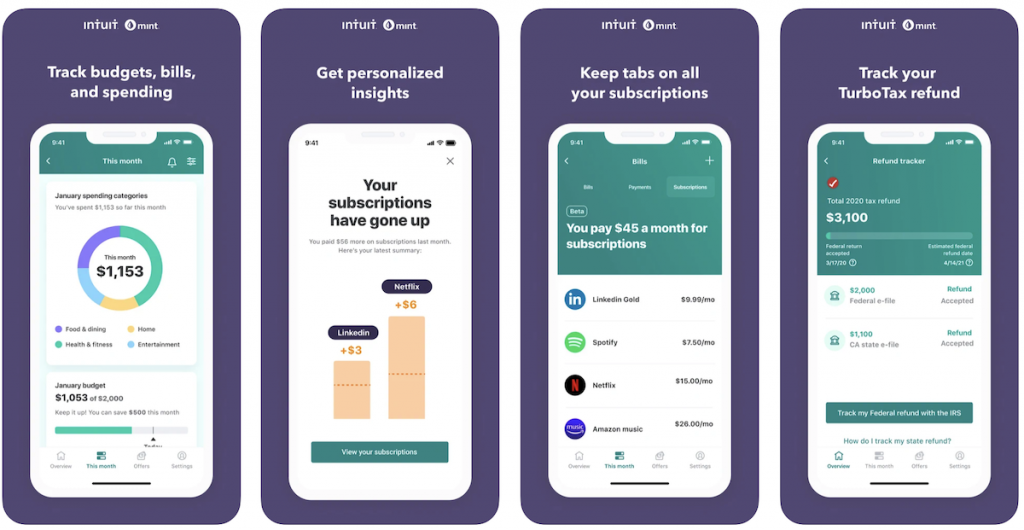
    Mint app android finance personal honeycomb updated support tablets androidcentral

    Mint plays a crucial role in enhancing your financial security by providing a comprehensive overview of your finances and empowering you to make informed decisions. It helps you stay on top of your spending, identify potential risks, and take proactive steps to protect your financial well-being.

    Identifying Potential Financial Risks

    Mint’s tools can help you identify potential financial risks by providing insights into your spending patterns, debt levels, and overall financial health. For instance, Mint can:

    • Alert you to potential overspending: By tracking your spending, Mint can identify if you’re exceeding your budget in certain categories, potentially leading to debt accumulation.
    • Highlight high-interest debt: Mint can analyze your debt and identify loans with high-interest rates, which can significantly impact your financial security. This allows you to prioritize paying off these debts and save money on interest charges.
    • Monitor your credit score: Mint provides access to your credit score and reports, allowing you to track your credit health and identify any potential issues that could affect your borrowing power.

    Empowering Informed Financial Decisions

    Mint empowers you to make informed financial decisions by providing valuable insights and tools to help you manage your money effectively. For example, Mint can:

    • Create and track budgets: Mint allows you to set personalized budgets and track your spending against them, helping you stay on top of your finances and avoid overspending.
    • Identify potential savings opportunities: Mint can analyze your spending and identify areas where you might be able to save money, such as by switching to a lower-cost credit card or negotiating better rates on your bills.
    • Provide personalized financial advice: Mint offers personalized financial advice based on your individual circumstances and goals, helping you make informed decisions about investing, saving, and managing your money.

    Array

    Mint, as a leading personal finance management platform, is constantly evolving to meet the ever-changing demands of online financial security. The platform’s future lies in proactively adapting to emerging threats and implementing cutting-edge technologies to safeguard user data and transactions.

    Advancements in Security Features and Data Privacy Practices

    Mint is poised to further enhance its security features and data privacy practices by leveraging advancements in technology and industry best practices. These advancements will contribute to a more robust and secure platform for users.

    • Enhanced Authentication: Implementing multi-factor authentication (MFA) with biometrics and other advanced authentication methods will strengthen account security and make it more difficult for unauthorized access.
    • Advanced Fraud Detection: Utilizing machine learning and artificial intelligence (AI) algorithms can significantly improve fraud detection capabilities, proactively identifying and preventing suspicious activities.
    • Data Encryption and Secure Storage: Implementing end-to-end encryption for all user data and storing it in secure, geographically dispersed data centers will minimize the risk of data breaches and unauthorized access.
    • Regular Security Audits and Vulnerability Assessments: Conducting regular security audits and vulnerability assessments will ensure that Mint’s systems are constantly evaluated for potential weaknesses and vulnerabilities, leading to timely remediation and improved security posture.

    Adapting to the Evolving Landscape of Online Financial Security

    The online financial landscape is constantly evolving, with new threats emerging regularly. Mint’s future success depends on its ability to adapt to these changes and stay ahead of the curve in terms of security.

    • Emerging Threat Mitigation: Mint needs to proactively monitor and adapt to emerging threats, such as sophisticated phishing attacks, social engineering schemes, and new malware variations, to protect users from these evolving risks.
    • Compliance with Data Privacy Regulations: Staying compliant with evolving data privacy regulations, such as GDPR and CCPA, is crucial for maintaining user trust and ensuring responsible data handling practices.
    • Collaboration with Financial Institutions: Strengthening partnerships with financial institutions to share information and best practices on security threats and vulnerabilities will enable Mint to better protect its users.

    Enhancing User Trust and Confidence

    Building and maintaining user trust is paramount for any financial platform. Mint can further enhance user trust and confidence through transparent communication, proactive security measures, and user education.

    • Transparent Security Practices: Regularly publishing security reports and updates on implemented security measures will demonstrate Mint’s commitment to transparency and accountability, fostering trust among users.
    • User Education and Awareness: Providing users with educational resources and guides on online financial security best practices will empower them to protect themselves from common threats and make informed decisions about their online financial activities.
    • Prompt Response to Security Incidents: In the event of a security incident, Mint needs to respond promptly and transparently, providing clear communication to affected users and outlining steps taken to mitigate the impact.

    In today’s digital world, protecting your financial information is more important than ever. Mint Personal Finance Safe provides a secure platform for managing your money, offering peace of mind knowing that your data is protected with the latest security measures. By embracing Mint’s security features and following best practices for online financial security, you can confidently navigate the world of personal finance and achieve your financial goals with peace of mind.

    Question & Answer Hub

    Is Mint safe to use?

    Yes, Mint employs robust security measures to protect user data. These include encryption, two-factor authentication, and regular security audits.

    What happens if my Mint account is compromised?

    Mint offers various security features to help prevent unauthorized access, including password protection and two-factor authentication. If you suspect your account has been compromised, you should immediately contact Mint support for assistance.

    How can I be sure that my data is protected?

    Mint is committed to protecting user privacy and complies with relevant data privacy regulations. They have clear data privacy policies outlining how they handle user information.

    What are the benefits of using Mint?

    Mint offers numerous benefits, including budgeting tools, expense tracking, debt management, investment tracking, and personalized financial advice. (red**)


  • Personal Finance for Physicians A Guide to Financial Wellness

    Personal Finance for Physicians A Guide to Financial Wellness

    Suarapublik – Personal finance for physicians is a critical topic, given the unique financial challenges and opportunities that come with a career in medicine. Physicians face high educational debt, complex compensation structures, and significant income potential, making it essential to have a solid financial plan in place. This guide explores the key aspects of personal finance for physicians, from managing debt and building a strong foundation to investing for the future and planning for retirement.

    Navigating the financial landscape as a physician requires a thoughtful approach that considers both short-term and long-term goals. This guide aims to empower physicians with the knowledge and tools needed to make informed financial decisions, achieve financial stability, and secure their financial future.

    Array

    As a physician, you have a unique set of financial needs and opportunities. Your income potential is high, but so are your expenses, and your career path can be unpredictable. Therefore, building a strong financial foundation is essential to achieving your financial goals and securing your future.

    Creating a Comprehensive Financial Plan, Personal finance for physicians

    A financial plan is a roadmap that Artikels your financial goals and the steps you need to take to achieve them. It should consider your income, expenses, assets, liabilities, and risk tolerance. A well-crafted financial plan for physicians should address key areas like retirement planning, savings, investments, debt management, and estate planning.

    Sample Budget Template for Physicians

    CategoryAverage Monthly Expense
    Housing$2,000 – $5,000
    Transportation$500 – $1,500
    Food$500 – $1,000
    Healthcare$200 – $500
    Childcare$0 – $2,000
    Education$0 – $1,000
    Entertainment$200 – $500
    Savings$1,000 – $5,000
    Debt Repayment$0 – $2,000
    Other$0 – $1,000

    This is just a sample budget template, and your actual expenses may vary. It’s important to track your spending and adjust your budget accordingly.

    Key Financial Goals for Physicians

    • Retirement Planning: Physicians should start planning for retirement early to maximize their savings and investment growth. They can consider contributing to a 401(k) or 403(b) plan, which offers tax advantages.
    • Savings: Establishing an emergency fund with 3-6 months of living expenses is crucial for unexpected events. Physicians should also prioritize saving for short-term goals like a down payment on a house or a child’s education.
    • Investments: Investing in a diversified portfolio of stocks, bonds, and real estate can help physicians grow their wealth over the long term. They can consider working with a financial advisor to develop an investment strategy that aligns with their risk tolerance and financial goals.

    Essential Financial Resources and Tools for Physicians

    • Financial Advisor: A financial advisor can provide personalized advice and guidance on financial planning, investment strategies, and retirement planning.
    • Online Budgeting Tools: Tools like Mint or Personal Capital can help you track your spending, create a budget, and monitor your net worth.
    • Financial Literacy Resources: Organizations like the Financial Planning Association and the National Endowment for Financial Education offer educational resources and tools for physicians.
    • Professional Associations: Many medical associations offer financial planning resources and discounts on financial services for their members.

    Understanding the nuances of personal finance for physicians is crucial for achieving financial success and living a fulfilling life. By implementing the strategies Artikeld in this guide, physicians can effectively manage their finances, optimize their income, invest wisely, and plan for a secure and prosperous future. Remember, taking control of your financial well-being is an investment in your present and your future.

    Common Queries: Personal Finance For Physicians

    How can physicians maximize their retirement savings?

    Physicians can maximize their retirement savings by contributing the maximum amount allowed to tax-advantaged retirement accounts like 401(k)s and 403(b)s. They can also explore other options like Roth IRAs and traditional IRAs, depending on their financial situation and goals.

    What are some common financial mistakes physicians make?

    Common financial mistakes physicians make include failing to create a budget, overspending, neglecting to save for retirement, not investing wisely, and not seeking professional financial advice.

    What are some essential financial resources for physicians?

    Essential financial resources for physicians include financial advisors, certified public accountants (CPAs), and professional organizations that offer financial guidance and support.

    How can physicians protect themselves from financial risks?

    Physicians can protect themselves from financial risks by having adequate insurance coverage, including liability, disability, and life insurance. They should also consider diversifying their investments and seeking professional advice to manage their financial risks effectively.

  • Debt Consolidation A Path to Better Personal Finances

    Debt Consolidation A Path to Better Personal Finances

    Suarapublik – Debt consolidation personal finances can be a game-changer for individuals struggling with overwhelming debt. This strategy involves combining multiple debts into a single, more manageable loan, often with lower interest rates and monthly payments. By simplifying your debt obligations, you can gain control over your finances and work towards a brighter financial future.

    Debt consolidation can be a powerful tool for financial recovery, but it’s essential to understand its intricacies and potential pitfalls. This guide will delve into the different types of debt consolidation methods, their pros and cons, and how to navigate the process effectively. We’ll also explore alternative strategies for managing debt and provide valuable insights to help you make informed decisions.

    What is Debt Consolidation?

    Debt consolidation personal finances

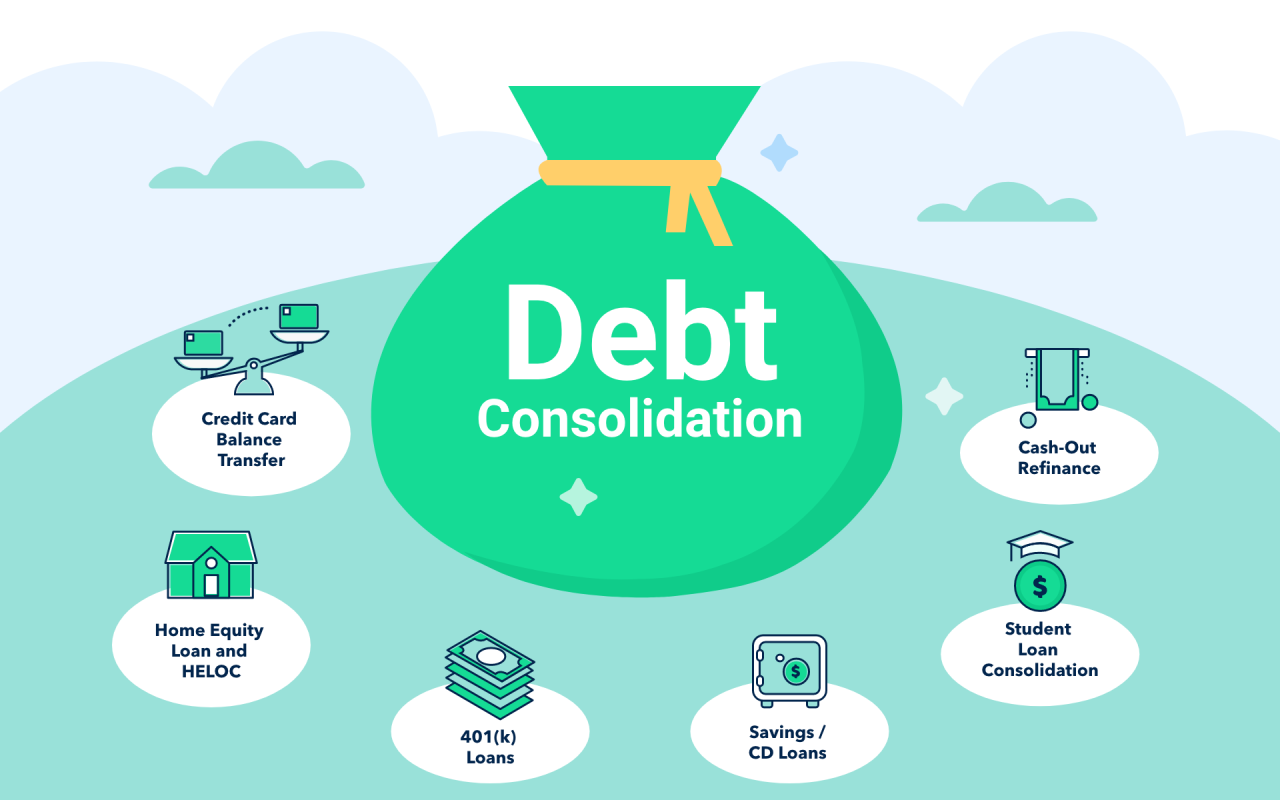
    Debt consolidation is a strategy that combines multiple debts into a single loan with a lower interest rate. This can be a helpful tool for individuals struggling with high-interest debt, as it can simplify their repayment process and potentially save them money on interest charges.

    Benefits of Debt Consolidation

    Debt consolidation offers several benefits for individuals looking to improve their financial situation. Here are some of the key advantages:

    • Lower Monthly Payments: By combining multiple debts into one, individuals can often secure a lower interest rate, resulting in lower monthly payments. This can free up cash flow and make it easier to manage their finances.
    • Simplified Repayment: Consolidating debt into a single loan simplifies the repayment process, as individuals only need to track one payment instead of multiple. This can reduce confusion and stress associated with managing multiple debts.
    • Improved Credit Score: Making on-time payments on a consolidated loan can help improve an individual’s credit score. This can lead to better interest rates on future loans and credit cards.
    • Reduced Interest Charges: By securing a lower interest rate, individuals can significantly reduce the amount of interest they pay over the life of the loan. This can save them a substantial amount of money in the long run.

    Real-World Examples of Debt Consolidation

    Debt consolidation has helped many individuals improve their financial situations. Here are some real-world examples:

    • Sarah, a young professional, had accumulated credit card debt totaling $10,000 with high interest rates. She consolidated her debt into a personal loan with a lower interest rate, reducing her monthly payments by $200. This freed up cash flow for her to save for a down payment on a house.
    • John, a retired teacher, had several loans and credit card debt totaling $25,000. He consolidated his debt into a home equity loan with a lower interest rate, significantly reducing his monthly payments and allowing him to enjoy his retirement without financial stress.

    Types of Debt Consolidation

    Debt consolidation personal finances

    Debt consolidation is the process of combining multiple debts into a single loan with the aim of simplifying repayment and potentially lowering interest rates. This can be a beneficial strategy for individuals struggling with high-interest debt or managing multiple monthly payments. However, it’s essential to carefully consider the various types of debt consolidation methods and their implications before making a decision.

    Balance Transfers

    A balance transfer is a method of transferring outstanding balances from one credit card to another, often with a lower interest rate. This can be a useful option for individuals with high-interest credit card debt, allowing them to save money on interest charges.

    Advantages of Balance Transfers

    • Lower interest rates: Balance transfers typically offer lower interest rates compared to existing credit cards, reducing interest charges and accelerating debt repayment.
    • Simplified repayment: Combining multiple credit card balances into one reduces the number of monthly payments, simplifying debt management.
    • Introductory periods: Many balance transfer offers include introductory periods with 0% interest, allowing borrowers to focus on paying down the principal balance without accruing interest.

    Disadvantages of Balance Transfers

    • Balance transfer fees: Most balance transfer offers involve a fee, typically a percentage of the transferred balance. This fee can significantly impact the overall cost of debt consolidation.
    • Limited time: Introductory periods with 0% interest are usually temporary, after which the standard interest rate applies. Borrowers need to pay down a significant portion of the balance before the promotional period ends to avoid high interest charges.
    • Credit score impact: Applying for a new credit card can temporarily lower your credit score, as it involves a hard inquiry. This can affect your ability to qualify for other loans or credit lines.

    Eligibility Criteria for Balance Transfers

    To qualify for a balance transfer, borrowers typically need to meet the following criteria:

    • Good credit score: Credit card issuers prefer borrowers with good credit history, as it indicates a lower risk of default.
    • Available credit: The new credit card must have sufficient available credit to accommodate the transferred balance.
    • Meeting income requirements: Some issuers may have income requirements to ensure borrowers can manage the monthly payments.

    Debt Consolidation Loans

    A debt consolidation loan is a personal loan that combines multiple debts into a single loan with a fixed interest rate and a set repayment period. This option can be beneficial for individuals with various types of debt, including credit cards, medical bills, and personal loans.

    Advantages of Debt Consolidation Loans

    • Lower interest rates: Debt consolidation loans often offer lower interest rates compared to existing debts, especially high-interest credit cards. This can significantly reduce interest charges and shorten the repayment period.
    • Predictable payments: A debt consolidation loan provides a fixed monthly payment amount, making budgeting and debt management more predictable.
    • Simplified repayment: Combining multiple debts into one simplifies repayment, as borrowers only need to track a single loan and make one monthly payment.

    Disadvantages of Debt Consolidation Loans

    • Loan origination fees: Debt consolidation loans typically involve origination fees, which are a percentage of the loan amount. This fee can add to the overall cost of consolidation.
    • Longer repayment terms: While lower interest rates can be beneficial, debt consolidation loans often have longer repayment terms compared to existing debts. This can result in paying more interest over the life of the loan.
    • Credit score impact: Applying for a debt consolidation loan involves a hard inquiry, which can temporarily lower your credit score.

    Eligibility Criteria for Debt Consolidation Loans

    To qualify for a debt consolidation loan, borrowers typically need to meet the following criteria:

    • Good credit score: Lenders prefer borrowers with good credit history, as it indicates a lower risk of default.
    • Sufficient income: Lenders assess borrowers’ income to ensure they can afford the monthly loan payments.
    • Debt-to-income ratio: Lenders consider the borrower’s debt-to-income ratio, which is the percentage of their income used to pay debts. A lower ratio indicates a better ability to manage debt.

    Debt Management Plans, Debt consolidation personal finances

    A debt management plan (DMP) is a program offered by a credit counseling agency that helps individuals negotiate lower interest rates and monthly payments with creditors. This option can be beneficial for individuals with high-interest debt who are struggling to make payments.

    Advantages of Debt Management Plans

    • Lower interest rates: Credit counseling agencies can negotiate lower interest rates with creditors, reducing interest charges and accelerating debt repayment.
    • Reduced monthly payments: DMPs can help reduce monthly payments by consolidating debts into one monthly payment. This can make debt management more manageable.
    • Financial education: Credit counseling agencies provide financial education and guidance, helping individuals develop healthy financial habits and avoid future debt.

    Disadvantages of Debt Management Plans

    • Fees: Credit counseling agencies charge fees for their services, which can vary depending on the agency and the program.
    • Negative impact on credit score: While DMPs can help improve your credit score over time, they can initially have a negative impact as accounts are placed in a “payment plan” status.
    • Limited availability: DMPs are not available for all types of debt, and some creditors may not participate in the program.

    Eligibility Criteria for Debt Management Plans

    To qualify for a debt management plan, borrowers typically need to meet the following criteria:

    • Financial hardship: Credit counseling agencies assess borrowers’ financial situation to determine if they qualify for a DMP. This includes evaluating income, expenses, and debt levels.
    • Willingness to participate: Borrowers must be willing to follow the terms of the DMP, including making monthly payments and adhering to the agency’s guidelines.
    • Meeting income requirements: Some agencies may have income requirements to ensure borrowers can manage the monthly payments.

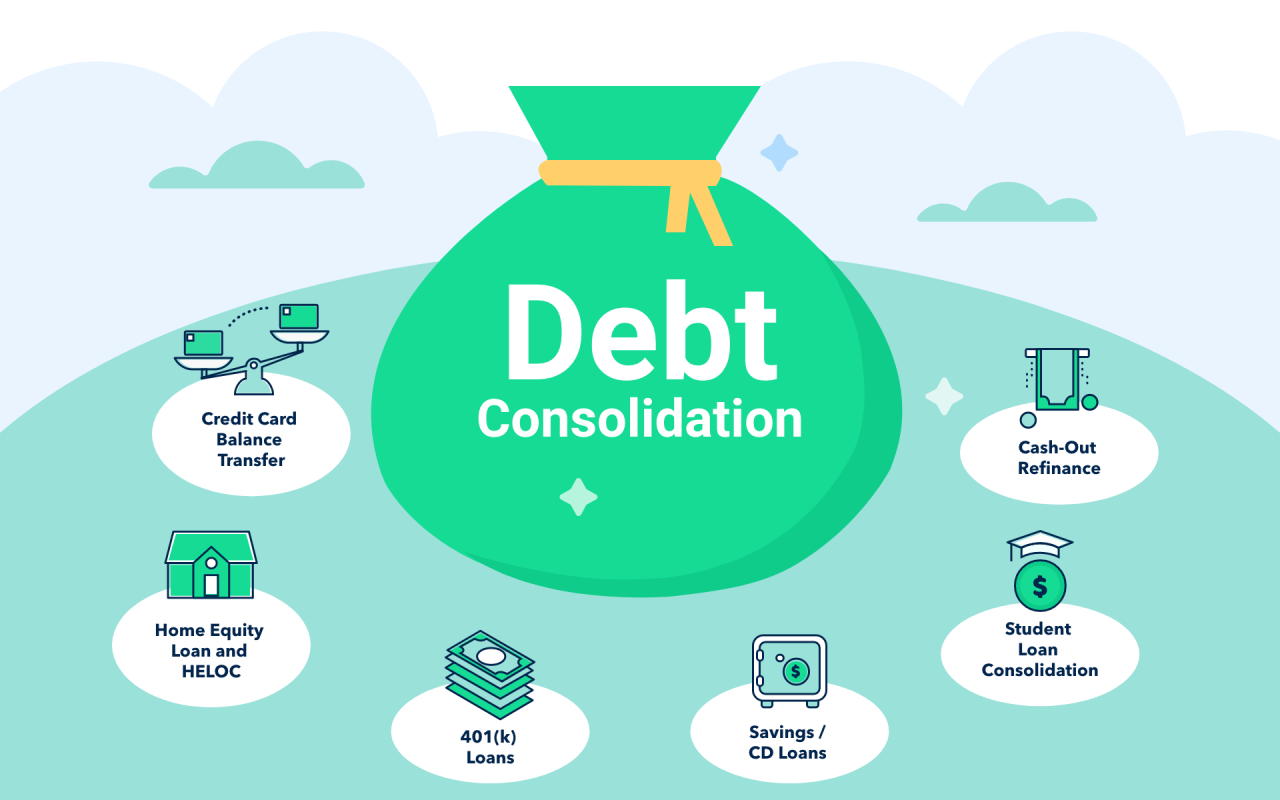
    ArrayDebt consolidation options consumers four top share

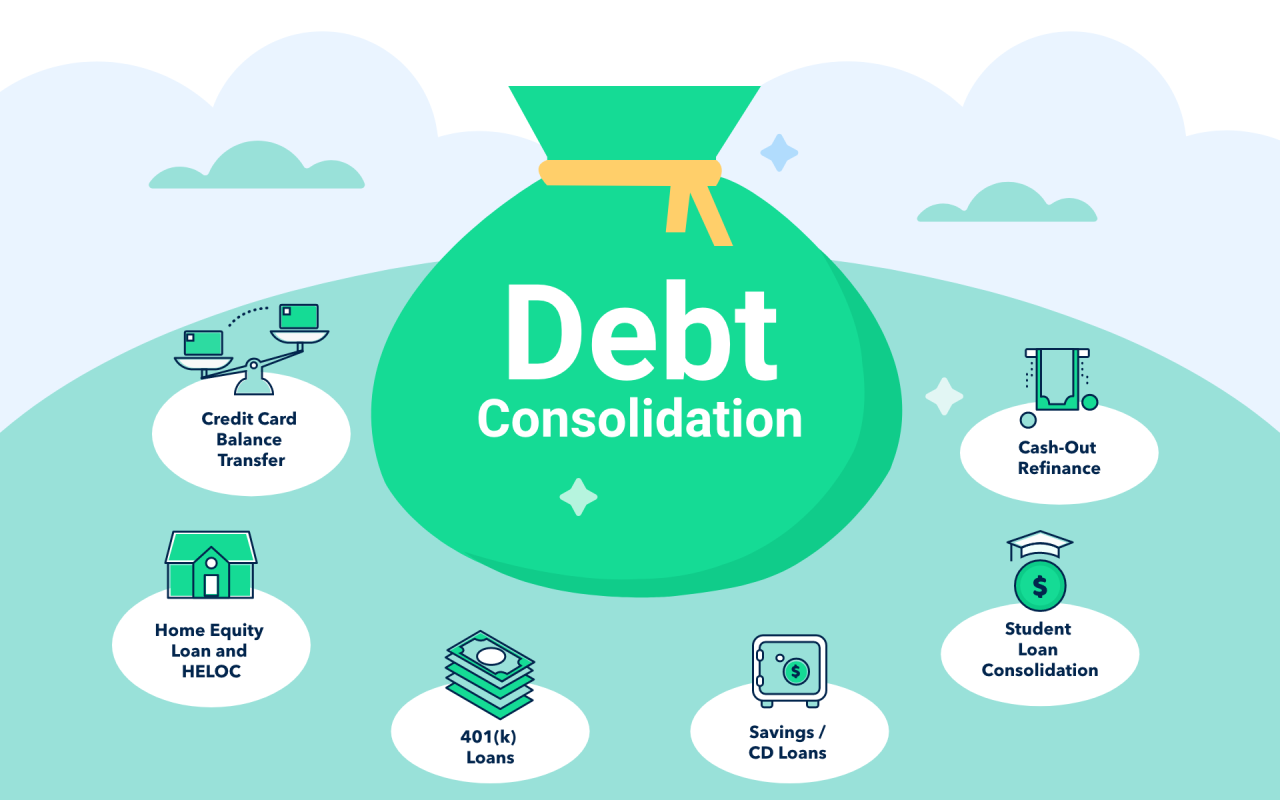
    Debt consolidation is a strategy that involves combining multiple debts into a single loan with a lower interest rate, making it easier to manage your repayments. It can be a helpful tool for individuals struggling with high-interest debt, but it’s essential to understand how it works before taking the plunge.

    Step-by-Step Process

    The process of debt consolidation typically involves several steps:

    • Assess your debt: The first step is to assess your current debt situation. Make a list of all your debts, including the amount owed, interest rates, and minimum monthly payments. This will give you a clear picture of your overall debt burden.
    • Determine your debt-to-income ratio (DTI): Your DTI is a crucial factor in debt consolidation. It’s calculated by dividing your monthly debt payments by your gross monthly income. Lenders typically prefer a DTI below 43%.
    • Check your credit score: A good credit score is essential for securing favorable terms on a debt consolidation loan. If your credit score is low, you may need to improve it before applying for a loan.
    • Explore debt consolidation options: There are several options available for debt consolidation, including personal loans, balance transfer credit cards, and debt management plans.
    • Compare loan offers: Once you’ve identified potential debt consolidation options, compare the interest rates, fees, and repayment terms. Choose the option that offers the most favorable terms and fits your financial situation.
    • Negotiate with creditors: If you’re considering a debt consolidation loan, it’s essential to negotiate with your creditors. They may be willing to lower your interest rates or waive some fees if you consolidate your debt.
    • Close your old accounts: Once you’ve secured a debt consolidation loan, close your old accounts. This will help prevent you from accumulating more debt and ensure you’re making payments on your new loan only.

    Credit Scores and Debt-to-Income Ratios

    Your credit score and debt-to-income ratio play a significant role in debt consolidation. Lenders use these factors to assess your creditworthiness and determine the interest rate and loan terms they offer. A higher credit score and lower DTI generally lead to more favorable loan terms.

    • Credit Score: A good credit score (generally above 670) can significantly impact your debt consolidation options. A higher score often translates to lower interest rates and more favorable loan terms.
    • Debt-to-Income Ratio: A lower DTI is generally preferred by lenders. A high DTI indicates that you’re already heavily burdened with debt, which can make lenders hesitant to provide you with a loan.

    Negotiating with Creditors

    Negotiating with creditors can be a challenging but potentially rewarding aspect of debt consolidation. Here are some tips for negotiating with your creditors:

    • Be prepared: Before you negotiate, gather all the necessary information, including your debt balances, interest rates, and payment history.
    • Be polite and professional: Maintain a respectful tone and avoid being aggressive or demanding.
    • Explain your situation: Explain your financial situation to your creditors and why you’re seeking debt consolidation.
    • Be willing to compromise: Be prepared to offer something in return for a lower interest rate or other concessions.
    • Get everything in writing: Once you reach an agreement, get it in writing to ensure both parties understand the terms.

    Taking control of your debt through consolidation can be a liberating experience, but it requires careful planning and execution. By understanding the different methods, weighing the pros and cons, and seeking professional guidance when needed, you can make informed decisions that pave the way for a more secure and prosperous financial future. Remember, knowledge is power, and armed with the right information, you can navigate the path to financial freedom with confidence.

    Commonly Asked Questions: Debt Consolidation Personal Finances

    What are the common types of debt consolidation?

    The most common types of debt consolidation include balance transfers, debt consolidation loans, and debt management plans. Each method has its own set of benefits and drawbacks, so it’s important to carefully consider your options.

    Is debt consolidation right for everyone?

    Debt consolidation is not a one-size-fits-all solution. It’s best suited for individuals with good credit scores and manageable debt levels. If you have a history of financial mismanagement or are struggling to make minimum payments, other strategies may be more appropriate.

    How can I find a reputable debt consolidation company?

    When choosing a debt consolidation company, it’s crucial to do your research and select a reputable provider. Look for companies with positive customer reviews, transparent fees, and a proven track record. You can also consult with a financial advisor or credit counselor for recommendations. (*)
  • Personal Finance Advisor Your Guide to Financial Success

    Personal Finance Advisor Your Guide to Financial Success

    Personal finance adviser – Personal finance advisors are your trusted partners in navigating the complex world of money management. They offer a comprehensive range of services, from crafting personalized financial plans to guiding you through investment decisions and tax strategies. Whether you’re aiming to build wealth, secure your future, or simply gain control over your finances, a skilled advisor can provide the expertise and support you need to achieve your goals.

    Think of a personal finance advisor as a financial coach, guiding you through every stage of your financial journey. They take the time to understand your unique circumstances, goals, and risk tolerance, tailoring their advice to your specific needs. From budgeting and saving to investing and retirement planning, they offer practical strategies and actionable insights to help you make informed financial decisions and achieve financial peace of mind.

    Managing Debt and Credit

    Financial advisor personal advisors career

    Debt can be a powerful tool for achieving financial goals, but it’s essential to manage it effectively to avoid overwhelming your finances. Uncontrolled debt can lead to stress, financial instability, and damage your credit score, limiting your access to future financial opportunities. This section explores strategies for managing debt effectively, improving your credit score, and navigating the complexities of credit.

    Strategies for Debt Management

    Managing debt effectively requires a strategic approach that encompasses debt consolidation, repayment, and credit score improvement.

    • Debt Consolidation: This strategy involves combining multiple debts into a single loan with a lower interest rate. This can simplify repayment and potentially save money on interest charges. However, it’s crucial to choose a consolidation loan with favorable terms and ensure you can make the monthly payments.
    • Debt Repayment: Prioritize repaying high-interest debts first, such as credit cards, as they accumulate interest quickly. Consider using the snowball or avalanche method to prioritize repayment based on the balance or interest rate, respectively.
    • Credit Score Improvement: A good credit score unlocks better interest rates on loans, credit cards, and other financial products. To improve your credit score, make payments on time, keep credit utilization low, and avoid opening too many new credit accounts.

    Creating a Debt Management Plan

    Developing a comprehensive debt management plan is crucial for taking control of your finances. This plan should include:

    1. Budgeting: Track your income and expenses to understand your financial situation and identify areas for potential savings. Use budgeting tools or apps to streamline this process.
    2. Negotiation: Contact your creditors to discuss options for lowering interest rates, reducing monthly payments, or extending repayment terms. Be prepared to negotiate and explore different solutions.
    3. Prioritization: Prioritize high-interest debts for faster repayment. Consider using the snowball or avalanche method to prioritize repayment based on the balance or interest rate, respectively.

    Impact of Credit Score on Financial Opportunities

    Your credit score significantly impacts your financial opportunities, including loan approvals, interest rates, and even job prospects.

    • Loan Approvals: Lenders use credit scores to assess your creditworthiness and determine whether to approve loan applications. A good credit score increases your chances of getting approved and securing favorable loan terms.
    • Interest Rates: A higher credit score often translates to lower interest rates on loans, credit cards, and mortgages. This can save you significant amounts of money over the life of the loan.

    Retirement Planning and Savings

    Personal finance adviser

    Retirement planning is crucial for ensuring financial security during your golden years. It involves carefully considering your savings goals, investment strategies, and retirement income projections.

    Retirement Savings Options

    Retirement savings options offer tax advantages and help you accumulate wealth for your retirement. Here are some popular choices:

    • 401(k)s: Offered by employers, these plans allow pre-tax contributions that grow tax-deferred. Some employers offer matching contributions, essentially free money for your retirement.
    • IRAs: These individual retirement accounts allow you to contribute pre-tax dollars that grow tax-deferred, with withdrawals taxed in retirement. There are two main types:
      • Traditional IRAs: Contributions may be tax-deductible, and withdrawals are taxed in retirement.
      • Roth IRAs: Contributions are made with after-tax dollars, and withdrawals are tax-free in retirement.

    Maximizing Retirement Savings

    Here are some strategies to maximize your retirement savings:

    • Start Early: The power of compounding works best over longer periods. The earlier you start saving, the more time your money has to grow.
    • Contribute Regularly: Even small, consistent contributions can add up significantly over time. Automate your contributions to ensure regular saving.
    • Increase Contributions Gradually: As your income grows, consider increasing your contribution percentage to accelerate your savings.
    • Take Advantage of Employer Matching: If your employer offers matching contributions, take full advantage of this free money.
    • Consider Diversification: Spread your investments across different asset classes, such as stocks, bonds, and real estate, to reduce risk.
    • Rebalance Regularly: Periodically adjust your investment portfolio to maintain your desired asset allocation and ensure your investments are aligned with your goals.

    ArrayPersonal finance adviser

    Tax planning is a crucial aspect of personal finance, as it can significantly impact your overall financial well-being. By strategically planning your tax obligations, you can minimize your tax liability and maximize your after-tax income. Effective tax planning involves understanding tax laws, exploring available deductions and credits, and implementing strategies throughout the year to optimize your tax position.

    Tax Deductions, Credits, and Exemptions, Personal finance adviser

    Tax deductions, credits, and exemptions offer various ways to reduce your taxable income, ultimately lowering your tax bill.

    • Tax Deductions: These are expenses that you can subtract from your taxable income, reducing the amount of income subject to tax. Examples include deductions for mortgage interest, charitable donations, and state and local taxes.
    • Tax Credits: These are direct reductions to your tax liability, providing a dollar-for-dollar reduction in the taxes you owe. Examples include the Earned Income Tax Credit, the Child Tax Credit, and the American Opportunity Tax Credit.
    • Tax Exemptions: These are amounts that are not subject to taxation, such as personal exemptions for yourself, your spouse, and dependents.

    Year-Round Tax Planning Strategies

    Effective tax planning is an ongoing process that requires attention throughout the year, not just during tax season. Here are some strategies to consider:

    • Track Expenses and Income: Maintain accurate records of your income and expenses, including medical expenses, charitable donations, and business expenses. This documentation will be essential when filing your taxes.
    • Maximize Retirement Contributions: Contributions to retirement accounts, such as 401(k)s and IRAs, are often tax-deductible, reducing your taxable income.
    • Consider Tax-Advantaged Investments: Explore investment options that offer tax advantages, such as municipal bonds and Roth IRAs.
    • Review Your Tax Withholding: Ensure your tax withholdings from your paycheck are accurate to avoid underpayment penalties.
    • Consult a Tax Professional: Seek professional advice from a tax advisor to ensure you are taking advantage of all available deductions and credits and to navigate complex tax situations.

    Ultimately, working with a personal finance advisor empowers you to take control of your financial future. They provide the knowledge, tools, and support you need to make smart financial decisions, manage your money effectively, and achieve your financial goals with confidence. By partnering with a trusted advisor, you can navigate the complexities of personal finance with greater clarity and peace of mind, knowing you’re on the right track to financial success.

    FAQ: Personal Finance Adviser

    What qualifications should I look for in a personal finance advisor?

    Look for advisors with relevant certifications like Certified Financial Planner (CFP), Chartered Financial Analyst (CFA), or Registered Investment Advisor (RIA). These designations indicate a high level of knowledge, experience, and adherence to ethical standards.

    How much does it cost to hire a personal finance advisor?

    Fees vary depending on the advisor’s experience, services offered, and the complexity of your financial situation. Some advisors charge hourly rates, while others use a percentage-based fee structure. It’s important to discuss fees upfront and ensure they align with your budget.

    What is the difference between a financial advisor and a financial planner?

    While the terms are often used interchangeably, a financial planner typically focuses on creating a comprehensive financial plan, covering aspects like budgeting, saving, investing, and retirement planning. A financial advisor may provide more specialized services, such as investment management or tax advice.

  • Separate Business and Personal Finances Why It Matters

    Separate Business and Personal Finances Why It Matters

    Suarapublik – Separate business and personal finances is essential for success and financial stability. It creates a clear distinction between your personal life and your business ventures, allowing you to manage both effectively. This separation not only simplifies accounting and tax preparation but also protects your personal assets from business liabilities.

    By establishing separate bank accounts, creating detailed financial records, and developing a comprehensive budgeting system, you can gain control over your finances and make informed decisions. This approach also helps you to avoid common pitfalls, such as commingling funds, which can lead to confusion and potential legal issues.

    Managing Finances Effectively: Separate Business And Personal Finances

    Managing your finances effectively is crucial for both your business and personal life. It allows you to make informed decisions, achieve financial goals, and avoid unnecessary financial stress. By implementing a system for tracking income and expenses, organizing your financial records, and creating a budget, you can gain control over your finances and build a solid financial foundation.

    Tracking Business Income and Expenses

    Tracking business income and expenses is essential for understanding your business’s financial health. It helps you identify areas of profitability, monitor cash flow, and make informed decisions about pricing, spending, and investments.Here are some methods for tracking business income and expenses:

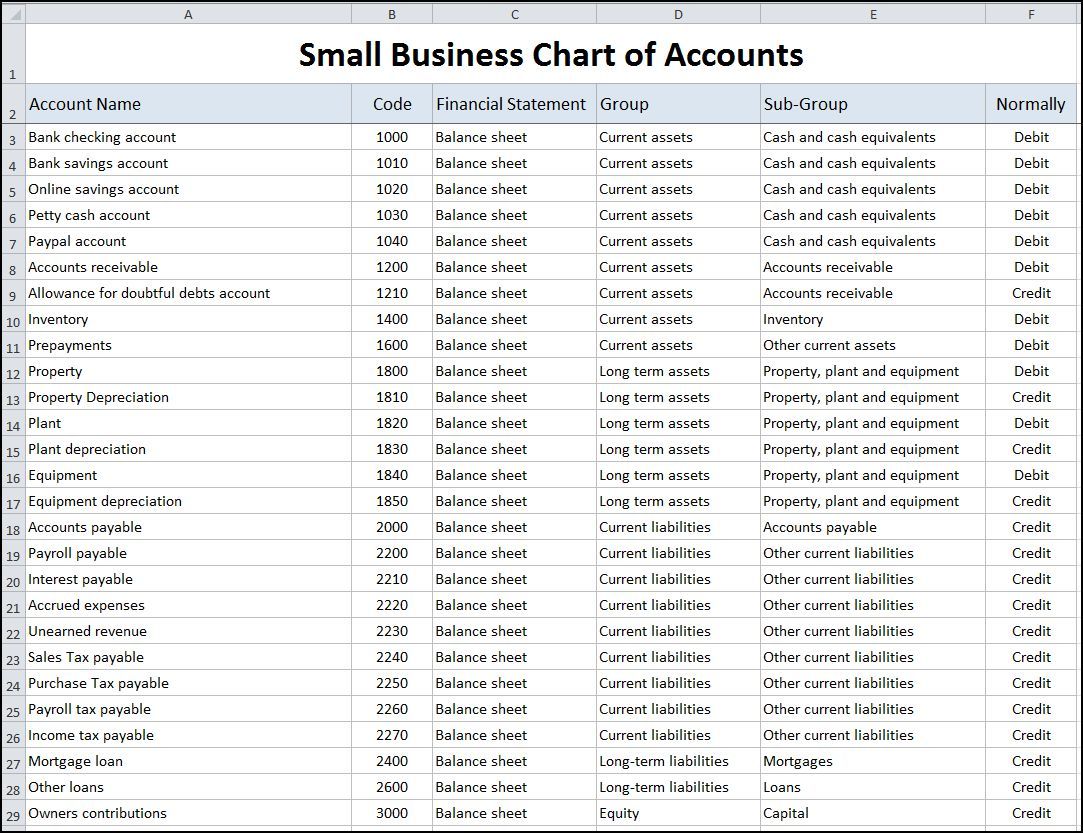
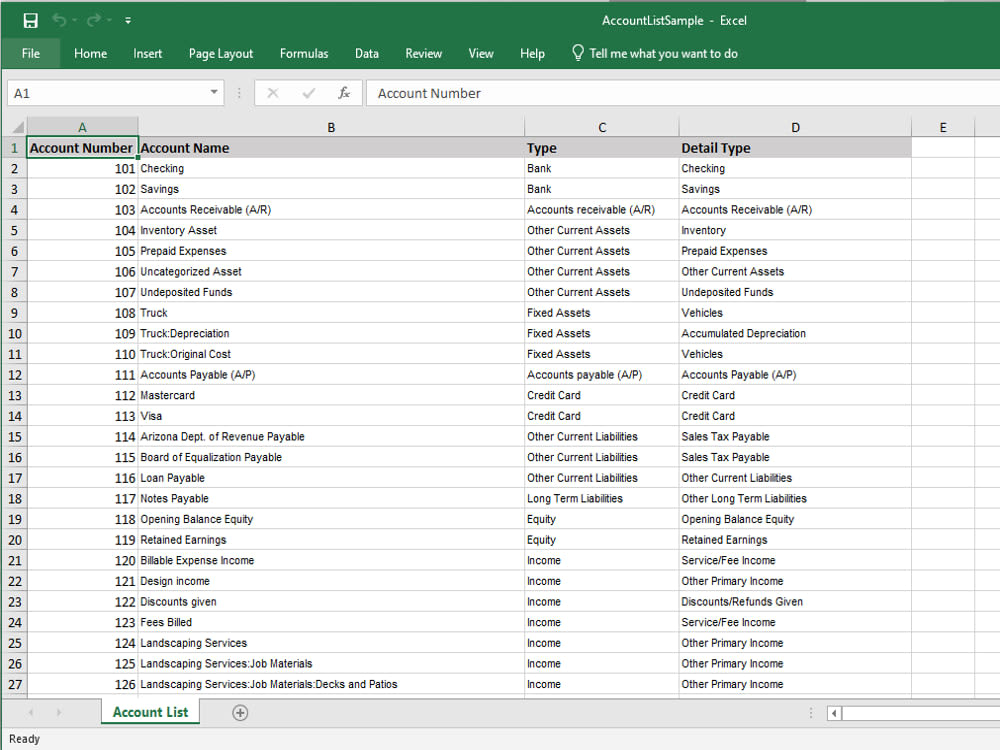
    • Spreadsheet Software: Spreadsheets are a versatile tool for tracking income and expenses. You can create custom formulas to calculate totals, track trends, and generate reports. Popular spreadsheet software includes Microsoft Excel, Google Sheets, and OpenOffice Calc.
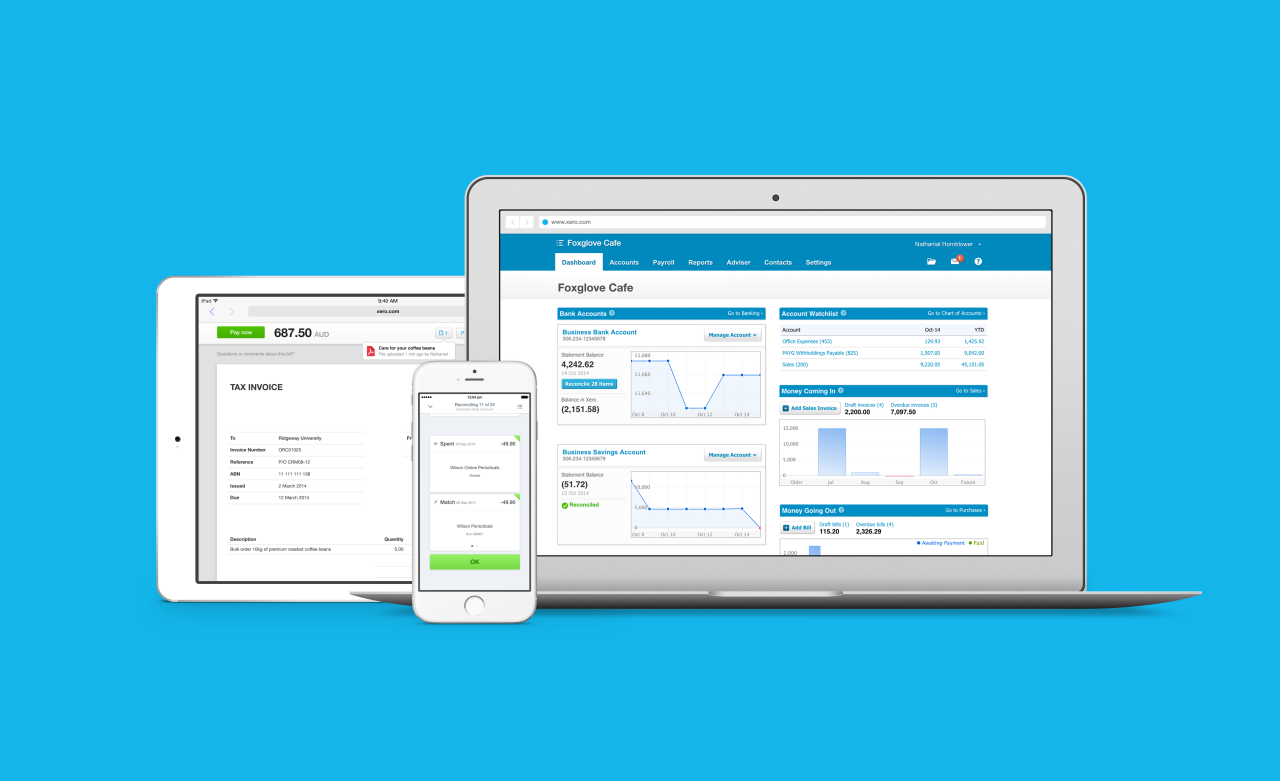
    • Accounting Software: Accounting software provides a more comprehensive approach to managing business finances. It offers features such as invoicing, expense tracking, bank reconciliation, and financial reporting. Some popular accounting software options include QuickBooks, Xero, and FreshBooks.
    • Manual Tracking: While less efficient, manual tracking can be effective for small businesses with low transaction volumes. You can use notebooks, journals, or spreadsheets to record income and expenses.

    Tax Implications

    Separate business and personal finances

    Separating your business and personal finances offers significant advantages when it comes to tax preparation. By keeping these aspects distinct, you can streamline the process, potentially reduce your tax liability, and avoid potential penalties.

    Tax Deductions for Businesses and Individuals

    Keeping separate financial records allows for clear identification of business expenses and personal expenditures. This simplifies the process of claiming eligible tax deductions.

    • Business Expenses: Businesses can deduct a wide range of expenses directly related to their operations, including rent, utilities, supplies, marketing costs, and employee salaries.
    • Individual Expenses: Individuals can claim deductions for various expenses, including mortgage interest, property taxes, charitable donations, and medical expenses.

    Maximizing Tax Benefits with Organized Records

    Maintaining well-organized financial records is crucial for maximizing tax benefits. This involves keeping receipts, invoices, bank statements, and other relevant documents in a structured manner.

    “A well-organized system ensures that you can quickly access necessary information when filing your taxes, reducing the risk of missing out on eligible deductions.”

    • Digital Accounting Software: Using accounting software can automate record-keeping, making it easier to track expenses, categorize transactions, and generate reports.
    • Cloud-Based Storage: Storing your financial documents in the cloud provides secure access from any device and facilitates easy sharing with tax professionals.
    • Regular Review: Periodically reviewing your financial records ensures accuracy and helps identify any potential issues or discrepancies.

    Tools and Resources

    Bookkeeping personal business separate basics finances choose board separating money

    Managing separate finances for your business and personal life can be simplified with the right tools and resources. This section will provide you with a list of useful software and apps, resources for finding financial professionals, and the benefits of using online banking platforms for both your business and personal finances.

    Financial Software and Apps, Separate business and personal finances

    Financial software and apps can help you manage your finances, track spending, create budgets, and set financial goals.

    • Personal Finance Software: Popular personal finance software options include Mint, Personal Capital, and YNAB (You Need a Budget). These platforms allow you to connect your bank accounts, credit cards, and investment accounts to track your spending and income in one place. They can also help you create budgets, set financial goals, and monitor your progress.
    • Business Accounting Software: For business finances, you can use accounting software like QuickBooks, Xero, and FreshBooks. These platforms provide features for tracking income and expenses, generating invoices, managing payroll, and preparing tax reports. They often integrate with online banking platforms for easy account reconciliation.
    • Mobile Apps: Many financial software companies also offer mobile apps that allow you to access your accounts and manage your finances on the go. Mobile apps provide convenience and flexibility, allowing you to monitor your spending, make payments, and transfer funds from anywhere with an internet connection.

    Finding Accounting Professionals and Financial Advisors

    • Professional Organizations: Organizations like the American Institute of Certified Public Accountants (AICPA) and the National Association of Certified Valuation Analysts (NACVA) can provide directories of certified accounting professionals in your area. You can also find qualified financial advisors through organizations like the Certified Financial Planner Board of Standards (CFP Board) or the National Association of Personal Financial Advisors (NAPFA).

    • Referrals: Seek recommendations from trusted friends, family, or business associates. Ask for referrals from other business owners or professionals you admire.
    • Online Platforms: Websites like NerdWallet, Bankrate, and Investopedia provide resources for finding financial advisors, including reviews and comparisons of different professionals.

    Online Banking Platforms

    Online banking platforms offer a convenient way to manage both your business and personal finances.

    • Account Management: You can access your accounts, view transaction history, and monitor balances anytime, anywhere.
    • Bill Pay: Online banking allows you to schedule bill payments, set reminders, and track payment confirmations.
    • Transfer Funds: Transfer money between accounts easily and securely.
    • Security: Reputable online banking platforms use advanced security measures to protect your financial information.
    • Mobile Access: Most online banking platforms have mobile apps that provide access to your accounts from your smartphone or tablet.

    ArraySeparate business and personal finances

    It’s crucial to be aware of common pitfalls when managing separate finances to avoid potential financial distress and maintain a healthy financial life. Understanding these mistakes and implementing preventive measures can significantly enhance your financial well-being.

    Mixing Personal and Business Expenses

    Mixing personal and business expenses can lead to inaccurate financial records, making it challenging to track profitability, claim legitimate tax deductions, and manage your personal finances effectively.

    • Inaccurate Financial Records: When personal and business expenses are mixed, it becomes difficult to distinguish between them, leading to inaccurate financial records. This makes it challenging to track your business’s profitability, analyze spending patterns, and make informed financial decisions.
    • Missed Tax Deductions: Business expenses are often deductible for tax purposes. Mixing personal and business expenses can result in missing out on these deductions, increasing your tax liability.
    • Personal Financial Strain: Mixing expenses can lead to personal financial strain. If you’re using personal funds to cover business expenses, it can create a financial imbalance, potentially impacting your ability to meet personal financial obligations.

    How to Avoid:* Use separate bank accounts for personal and business finances.

    • Track all expenses meticulously, clearly labeling them as personal or business.
    • Employ accounting software to automate expense tracking and reporting.
    • Consult a financial advisor or accountant for guidance on tax deductions and financial management.

    Not Saving Enough for Business Emergencies

    Not having a dedicated emergency fund for your business can lead to significant financial challenges when unexpected expenses arise, potentially hindering growth and stability.

    • Financial Instability: Without an emergency fund, unexpected events like equipment failure, legal issues, or market downturns can lead to financial instability, jeopardizing your business’s operations and survival.
    • Borrowing at High Interest Rates: When facing unexpected expenses without a dedicated emergency fund, businesses often resort to high-interest loans, increasing financial burdens and potentially hindering long-term growth.
    • Delayed Growth: A lack of an emergency fund can force businesses to delay growth opportunities due to financial constraints, limiting expansion and potentially missing out on crucial market opportunities.

    How to Avoid:* Establish a separate business emergency fund.

    • Aim to save at least 3-6 months of operating expenses.
    • Consider using a dedicated savings account or a high-yield savings account to maximize returns.
    • Develop a business contingency plan to address potential financial emergencies.

    Ignoring Financial Planning

    Neglecting financial planning can lead to poor decision-making, inadequate financial management, and potentially missed opportunities for growth and wealth creation.

    • Poor Financial Decisions: Without a clear financial plan, businesses may make impulsive decisions based on short-term gains, leading to financial instability and potentially long-term consequences.
    • Inadequate Financial Management: A lack of financial planning can result in inadequate financial management, including insufficient budgeting, poor cash flow management, and inadequate risk assessment, potentially hindering business growth and profitability.
    • Missed Opportunities: Financial planning allows businesses to identify and capitalize on growth opportunities. Without a plan, businesses may miss out on strategic investments, acquisitions, or expansion opportunities.

    How to Avoid:* Create a comprehensive business financial plan that Artikels goals, strategies, and financial projections.

    • Regularly review and update your financial plan to reflect changes in the market and business environment.
    • Consult with a financial advisor or accountant to develop a tailored financial plan that aligns with your business objectives.

    Not Investing Wisely

    Investing is a crucial aspect of business growth and financial security, but neglecting proper research and diversification can lead to significant financial losses and hinder long-term success.

    • Financial Losses: Investing in high-risk ventures without adequate research and diversification can lead to substantial financial losses, potentially jeopardizing your business’s financial stability.
    • Missed Growth Opportunities: Investing in low-risk, low-return assets can hinder your business’s growth potential. Diversifying your investment portfolio allows you to capitalize on different market sectors and potentially achieve higher returns.
    • Lack of Financial Security: A poorly diversified investment portfolio can leave your business vulnerable to market fluctuations, potentially impacting your financial security and long-term sustainability.

    How to Avoid:* Conduct thorough research before making any investment decisions.

    • Diversify your investment portfolio across different asset classes, such as stocks, bonds, and real estate.
    • Consult with a financial advisor or investment professional to develop a tailored investment strategy that aligns with your risk tolerance and financial goals.

    In conclusion, maintaining separate business and personal finances is a fundamental aspect of responsible financial management. It fosters clarity, accountability, and ultimately contributes to the long-term success of your business and personal life. By embracing this practice, you can navigate the complexities of financial obligations with confidence and peace of mind.

    FAQs

    What are the main benefits of separating business and personal finances?

    Separating finances offers several benefits, including: simplified accounting, accurate tax reporting, protection of personal assets, improved financial planning, and a clearer understanding of your financial position.

    How do I choose the right bank accounts for my business and personal finances?

    The best bank accounts depend on your specific needs. For business accounts, consider features like online banking, credit lines, and merchant services. For personal accounts, focus on interest rates, fees, and convenient access.

    What are some common mistakes to avoid when managing separate finances?

    Common mistakes include: commingling funds, neglecting to track expenses, failing to create a budget, and neglecting to seek professional advice when needed.

  • How to Separate Personal and Business Finances A Guide to Financial Stability

    How to Separate Personal and Business Finances A Guide to Financial Stability

    SuaraPublik – How to separate personal and business finances sets the stage for this enthralling narrative, offering readers a glimpse into a story that is rich in detail and brimming with originality from the outset. Keeping your personal and business finances separate is essential for any entrepreneur or small business owner. It not only protects your personal assets but also helps you manage your finances effectively, make informed decisions, and ensure long-term financial stability.

    This guide will explore the crucial steps involved in achieving this separation, from setting up dedicated accounts to implementing effective tracking and budgeting strategies.

    This guide will cover the key aspects of separating personal and business finances, from setting up dedicated accounts and managing expenses to navigating tax considerations and legal requirements. We’ll also explore how technology can streamline financial processes and the importance of seeking professional advice. By following these steps, you can establish a clear financial framework that supports your business growth and protects your personal well-being.

    The Importance of Separation

    How to separate personal and business finances

    Keeping your personal and business finances separate is crucial for maintaining financial stability and clarity. It allows you to track income and expenses effectively, making informed decisions about your business and personal finances.

    Benefits of Maintaining Separate Accounts

    Keeping personal and business finances separate offers several advantages:

    • Accurate Financial Tracking: Separate accounts provide a clear picture of your business’s financial health. You can easily track income, expenses, and profitability, enabling you to make informed decisions about pricing, spending, and investment.
    • Simplified Tax Filing: Separating finances simplifies tax preparation. You can easily distinguish business income and expenses from personal ones, ensuring accurate tax reporting and minimizing potential audits.
    • Improved Financial Management: Separate accounts promote disciplined financial management. You can allocate funds for specific purposes, preventing personal funds from being used for business expenses and vice versa.
    • Protection from Personal Liability: In the event of business debts or legal issues, maintaining separate finances protects your personal assets. Creditors cannot access your personal funds if your business faces financial difficulties.

    Risks of Mixing Personal and Business Finances

    Blending personal and business finances can lead to significant financial risks:

    • Financial Instability: Mixing finances can make it difficult to track expenses and income, leading to inaccurate financial records and potentially jeopardizing your business’s stability.
    • Increased Tax Liability: Mixing personal and business finances can result in incorrect tax reporting, leading to penalties and fines. You might miss deductions or claim expenses inappropriately.
    • Personal Liability Exposure: Blending finances can expose your personal assets to business debts and legal claims. Creditors may be able to pursue your personal assets if your business fails to meet its financial obligations.

    Examples of Financial Instability Due to Blending Finances

    Here are examples of how blurred financial lines can lead to financial instability:

    • Using Business Funds for Personal Expenses: If you use business funds for personal expenses, such as vacations or entertainment, you may find it difficult to track your business’s true profitability. This can lead to inaccurate financial reporting and potentially undermine your business’s financial stability.
    • Using Personal Funds for Business Expenses: Conversely, using personal funds for business expenses can make it challenging to determine your personal financial position. You might find yourself struggling to pay personal bills or make personal investments due to business expenses draining your personal funds.
    • Lack of Clear Financial Boundaries: Without clear financial boundaries between personal and business finances, it can be difficult to identify and address financial issues in either area. This can lead to delayed action and potential financial difficulties for both your personal and business life.

    Setting Up Separate Accounts

    How to separate personal and business finances

    Opening dedicated business bank accounts is a crucial step in separating your personal and business finances. It provides a clear distinction between your personal funds and business income and expenses, making it easier to track, manage, and report your business finances.

    Types of Business Bank Accounts

    There are various types of business bank accounts available, each designed to cater to specific business needs. Choosing the right type depends on your business structure, industry, and financial goals.

    • Business Checking Account: A business checking account is the most common type of account for day-to-day transactions. It allows you to deposit and withdraw funds, write checks, and make electronic payments. This account is ideal for managing your business’s operating expenses and receiving payments from customers.
    • Business Savings Account: A business savings account is designed to help you accumulate funds for future business needs. It typically offers a higher interest rate than a checking account, but you may face restrictions on withdrawals. This account is suitable for saving for business expansion, equipment purchases, or unexpected expenses.
    • Business Line of Credit: A business line of credit provides a flexible source of funding that you can access as needed. It acts like a revolving loan, allowing you to borrow up to a certain limit and repay the borrowed amount over time. This account is beneficial for managing cash flow fluctuations and covering unexpected expenses.

    Features and Benefits of Different Business Accounts

    Each type of business account offers specific features and benefits that can be advantageous for different businesses.

    Account TypeFeaturesBenefits
    Business Checking Account
    • Debit Card
    • Check Writing
    • Online Banking
    • Mobile Banking
    • Direct Deposit
    • Convenient for Daily Transactions
    • Easy to Manage Expenses
    • Access to Funds for Operating Costs
    Business Savings Account
    • Higher Interest Rates
    • Limited Withdrawals
    • Online Banking
    • Mobile Banking
    • Growth of Business Funds
    • Security for Future Expenses
    • Protection Against Inflation
    Business Line of Credit
    • Flexible Funding
    • Revolving Loan
    • Pre-approved Limit
    • Interest Charges on Used Funds
    • Quick Access to Funds
    • Cash Flow Management
    • Flexibility for Unexpected Expenses

    ArrayFinances personal business separate tweet important why

    In today’s digital age, technology plays a crucial role in streamlining financial processes, making it easier to manage both personal and business finances. Automation tools can significantly reduce manual effort and improve efficiency, freeing up time for other important tasks.

    Automated Expense Tracking

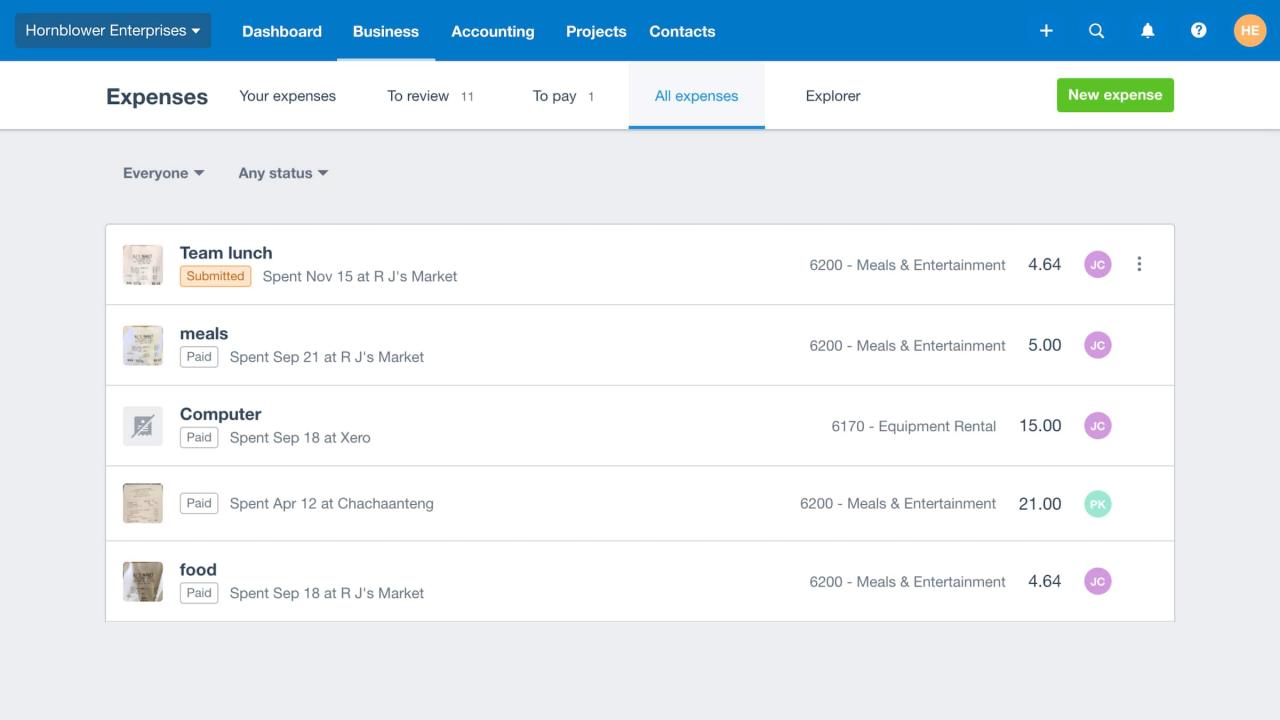
    Automated expense tracking tools can help you categorize and monitor your spending, making it easier to identify areas where you can save money. These tools often integrate with your bank accounts, credit cards, and other financial accounts to automatically record transactions. Many apps allow you to take photos of receipts and automatically extract relevant information.

    Online Banking and Payment Platforms

    Online banking platforms offer a convenient way to manage your finances from anywhere with an internet connection. You can view account balances, transfer funds, pay bills, and even set up automatic payments. Payment platforms like PayPal and Venmo facilitate secure online transactions for both personal and business purposes.

    Data Security and Privacy, How to separate personal and business finances

    When using financial technology, it’s essential to prioritize data security and privacy. Ensure that you’re using reputable platforms and services with robust security measures. Regularly review your account activity and enable two-factor authentication for added protection. It’s also important to be aware of phishing scams and other security threats.

    Maintaining separate personal and business finances is a cornerstone of responsible financial management for any business owner. By establishing clear boundaries between your personal and professional finances, you create a solid foundation for financial stability, efficient decision-making, and long-term success. Whether you are a seasoned entrepreneur or just starting out, this guide provides a comprehensive framework for navigating the complexities of financial separation.

    Remember, seeking professional advice and utilizing available technology can further enhance your financial journey and empower you to make informed decisions that drive your business forward.

    Essential Questionnaire: How To Separate Personal And Business Finances

    What are the potential legal consequences of mixing personal and business finances?

    Mixing personal and business finances can lead to legal complications, such as personal liability for business debts and potential tax penalties. It’s crucial to maintain separate accounts to protect your personal assets and ensure compliance with legal and regulatory requirements.

    How can I choose the right business bank account?

    The best business bank account depends on your specific needs and the nature of your business. Consider factors such as transaction volume, fees, interest rates, and available features when making your choice.

    What are some tips for tracking business expenses effectively?

    Use dedicated business credit cards, keep detailed receipts and invoices, categorize expenses for analysis, and utilize accounting software or apps for streamlined expense management.

    Can I claim personal expenses as business deductions?

    Generally, personal expenses are not deductible for business purposes. Consult with a tax advisor to ensure you are claiming only legitimate business deductions. (*)


  • Personal Finance UK A Guide to Managing Your Money

    Personal Finance UK A Guide to Managing Your Money

    SuaraPublik – Personal finance UK is more than just balancing your budget; it’s about building a secure financial future. From understanding the unique financial landscape in the UK to navigating the complexities of debt management, investing, and planning for different life stages, this guide provides a comprehensive overview of essential personal finance concepts tailored specifically for UK residents.

    This guide aims to demystify personal finance, empowering you with the knowledge and tools to make informed decisions about your money. Whether you’re just starting out or looking to refine your financial strategies, this resource will help you gain clarity, confidence, and control over your financial well-being.

    Array

    Taking control of your finances is essential in today’s economic climate. Fortunately, the UK offers a wealth of resources and tools to help individuals manage their money effectively. Whether you’re just starting out or looking to improve your financial habits, there are numerous options available to guide you.

    Reputable Financial Institutions and Organizations

    Financial institutions and organizations play a crucial role in providing financial advice and support. These entities offer a wide range of services, from basic banking to complex investment strategies.

    • The Money Advice Service (MAS): The MAS is a free and impartial service that provides information and guidance on a wide range of financial topics, including debt management, budgeting, and saving. They offer online resources, telephone advice, and face-to-face consultations.
    • Citizens Advice: Citizens Advice is a national charity that provides free, confidential advice on a variety of issues, including personal finance. They offer support with debt problems, benefits claims, and consumer rights.
    • The Financial Conduct Authority (FCA): The FCA is the UK’s financial regulator, responsible for ensuring that financial markets operate fairly and efficiently. They provide information and guidance on a wide range of financial products and services, including mortgages, investments, and pensions.
    • The Financial Ombudsman Service: The Financial Ombudsman Service is an independent body that resolves disputes between consumers and financial businesses. They can help if you have a complaint about a financial product or service.

    Online Tools and Apps for Financial Management

    Technology has made it easier than ever to manage your finances. Numerous online tools and apps are available to help individuals track their spending, budget, and invest.

    • MoneySavingExpert.com: This website offers a wealth of information and tools for managing your money, including budgeting calculators, price comparison websites, and advice on getting the best deals.
    • Monzo: Monzo is a popular digital bank that offers a mobile app for managing your money. The app allows you to track your spending, set budgets, and save money.
    • YNAB (You Need a Budget): YNAB is a budgeting app that helps you track your spending and plan for your financial goals. It uses a “zero-based budgeting” method, which means you allocate every penny of your income.
    • Mint: Mint is a free personal finance app that helps you track your spending, create budgets, and manage your bills. It also offers insights into your spending habits and can help you identify areas where you can save money.

    Seeking Professional Financial Advice, Personal finance uk

    While online resources and tools can be helpful, it’s important to seek professional financial advice when needed. A qualified financial advisor can provide personalized guidance and support based on your individual circumstances.

    • Chartered Financial Planners (CFPs): CFPs are qualified financial professionals who have met specific educational and experience requirements. They can provide comprehensive financial planning services, including investment advice, retirement planning, and estate planning.
    • Independent Financial Advisors (IFAs): IFAs are financial advisors who are not tied to any particular financial institution. This means they can provide impartial advice on a wide range of financial products and services.

    By understanding the intricacies of personal finance in the UK, you can navigate the financial landscape with greater confidence. From budgeting and saving to managing debt and investing, this guide has provided you with the essential tools and strategies to take control of your financial future. Remember, financial planning is a continuous journey, so stay informed, adapt your strategies as needed, and seek professional advice when necessary.

    With the right knowledge and proactive approach, you can build a solid foundation for a financially secure and fulfilling life.

    Commonly Asked Questions: Personal Finance Uk

    What are some common financial mistakes to avoid in the UK?

    Common financial mistakes include overspending, not saving enough, ignoring debt, failing to plan for retirement, and neglecting to review your financial strategies regularly.

    How can I get free financial advice in the UK?

    You can access free financial advice through organizations like the Money Advice Service, Citizens Advice, and StepChange Debt Charity.

    What are the benefits of having a good credit score in the UK?

    A good credit score can help you secure loans, mortgages, and credit cards at lower interest rates, saving you money in the long run. (*)


  • Separating Business and Personal Finances A Guide to Financial Clarity

    Separating Business and Personal Finances A Guide to Financial Clarity

    SuaraPublik – Separating business and personal finances is a crucial step for any entrepreneur or small business owner. This practice not only safeguards your personal assets but also streamlines your financial management, allowing you to make informed decisions for both your business and personal life. By keeping your finances distinct, you gain a clearer picture of your business’s financial health and can confidently navigate the complexities of legal and tax obligations.

    This guide delves into the practical aspects of separating business and personal finances, exploring the importance of setting up separate accounts, establishing efficient tracking systems, and understanding the legal and tax implications. We’ll also discuss how separating your finances can benefit your business growth and expansion.

    Legal and Tax Implications: Separating Business And Personal Finances

    Separating business and personal finances

    Separating business and personal finances is not just about good organization; it has significant legal and tax implications. Failing to do so can lead to legal issues and unnecessary tax burdens. This section explores the legal requirements and tax implications of separating business and personal finances.

    Legal Requirements for Separating Business and Personal Finances

    Keeping business and personal finances separate is crucial for legal compliance and establishing a clear financial picture for your business. Here are some legal requirements to consider:

    • Formation of a Business Entity: When setting up a business, choosing the right legal structure (e.g., sole proprietorship, partnership, LLC, corporation) is crucial. Each structure has different legal and tax implications. For example, forming a Limited Liability Company (LLC) provides a legal shield, separating your personal assets from business liabilities.
    • Separate Bank Accounts: Maintaining separate bank accounts for your business and personal finances is a fundamental requirement. This ensures clear tracking of income and expenses, making it easier to manage your business finances and comply with tax regulations.
    • Compliance with Regulations: Depending on your industry and business structure, you might need to comply with specific regulations regarding record-keeping, financial reporting, and accounting practices. These regulations can vary significantly depending on the state and federal laws applicable to your business.

    Tax Implications of Commingling Funds

    Commingling funds, the practice of mixing business and personal finances, can lead to significant tax complications. Here are some key implications:

    • Difficulty in Tracking Expenses: When business and personal expenses are mixed, it becomes challenging to accurately track deductible business expenses. This can lead to missed deductions and potential audits from the Internal Revenue Service (IRS).
    • Increased Tax Liability: If business income is not properly separated, you might be taxed on personal income that should have been categorized as business income. This can result in higher tax liability and potential penalties.
    • Potential for Legal Disputes: In case of legal disputes or audits, commingling funds can make it difficult to prove the legitimacy of business expenses and income, potentially leading to legal complications and financial penalties.

    Common Tax Deductions and Credits for Business Expenses

    Separating business and personal finances allows you to take advantage of tax deductions and credits available for business expenses. Here are some common deductions:

    • Office Expenses: This includes costs related to office supplies, rent, utilities, internet, and other expenses associated with running your business.
    • Travel Expenses: If you travel for business purposes, you can deduct expenses related to transportation, lodging, and meals.
    • Marketing and Advertising: Expenses related to promoting your business, such as website development, social media marketing, and advertising campaigns, are generally deductible.
    • Salaries and Wages: If you employ others, you can deduct salaries, wages, and benefits paid to employees.
    • Depreciation: You can deduct a portion of the cost of assets, such as equipment, vehicles, and furniture, over their useful life.

    ArrayBusiness finances personal financial why separating separate seek owners mingle keep simple things their may

    Separating business and personal finances is crucial for achieving long-term business growth and expansion. This separation allows for a clear understanding of financial performance, attracts investors, and facilitates access to loans, ultimately propelling your business towards success.

    Attracting Investors and Securing Loans

    Maintaining separate accounts demonstrates financial discipline and transparency, making your business more attractive to potential investors. Investors seek a clear picture of a company’s financial health, and separate accounts provide this clarity. Similarly, lenders are more likely to approve loans when they see a clear separation between business and personal finances, as it indicates a commitment to responsible financial management.

    Managing Cash Flow and Investing Profits, Separating business and personal finances

    Separating business and personal finances enables efficient cash flow management. By tracking income and expenses exclusively for the business, you can identify areas for improvement, optimize spending, and make informed decisions about resource allocation. This clear financial picture allows you to reinvest profits strategically, fostering sustainable growth.

    Maintaining separate business and personal finances is an essential practice for any successful entrepreneur. By establishing clear boundaries and utilizing the right tools and strategies, you can effectively manage your finances, minimize risks, and pave the way for sustainable business growth. Remember, a well-organized financial structure empowers you to make informed decisions, attract investors, and confidently navigate the ever-changing business landscape.

    Questions and Answers

    What are the main benefits of separating business and personal finances?

    Separating your finances offers numerous benefits, including:

    • Clearer Financial Picture: You gain a precise understanding of your business’s performance and your personal financial standing.
    • Reduced Risk: Your personal assets are protected from business liabilities.
    • Simplified Tax Filing: Tax preparation becomes more straightforward and accurate.
    • Improved Credit Score: Your personal credit score won’t be affected by business debt.
    • Increased Business Credibility: Separating finances demonstrates professionalism and financial responsibility to investors and lenders.

    What if I’m a sole proprietor or freelancer? Do I still need to separate finances?

    Yes, even if you’re a sole proprietor or freelancer, separating business and personal finances is highly recommended. It offers the same benefits as mentioned above, including protection of personal assets, simplified tax filing, and increased credibility.

    What are some examples of financial records I should maintain for both business and personal expenses?

    For both business and personal finances, it’s crucial to keep detailed records of income, expenses, invoices, receipts, bank statements, and tax documents. These records will help you track your financial activities, prepare tax returns, and make informed financial decisions. (*)


  • Freedom Finance Personal Loans Your Guide to Financial Flexibility

    Freedom Finance Personal Loans Your Guide to Financial Flexibility

    SuaraPublik – Freedom Finance personal loans offer a compelling solution for individuals seeking financial flexibility. Whether you’re looking to consolidate debt, fund a home renovation, or simply need a financial cushion, Freedom Finance provides a range of loan options designed to meet your specific needs. Their commitment to transparency and customer satisfaction has earned them a reputation as a reliable and accessible lender, making them a popular choice for borrowers across the country.

    Freedom Finance distinguishes itself from traditional lenders through its streamlined application process, competitive interest rates, and personalized customer support. Their user-friendly online platform allows you to apply for a loan quickly and easily, and their dedicated team of loan specialists is available to answer any questions you may have throughout the process. With a focus on responsible lending practices, Freedom Finance aims to empower individuals to achieve their financial goals while maintaining a healthy credit profile.

    Alternative Loan Options

    Freedom finance personal loans

    When considering a personal loan, it’s crucial to explore various options beyond Freedom Finance. Alternative lenders offer diverse terms and conditions, catering to specific needs and credit profiles. This section examines popular alternatives, outlining their advantages, disadvantages, and key features.

    Peer-to-Peer Lending

    Peer-to-peer (P2P) lending platforms connect borrowers directly with individual investors. These platforms operate online, allowing borrowers to access funds from a pool of investors rather than traditional financial institutions.

    Pros of P2P Lending

    • Potentially lower interest rates compared to traditional loans.
    • Greater flexibility in loan terms and amounts.
    • Faster approval process, often with less stringent credit requirements.

    Cons of P2P Lending

    • Higher risk for borrowers due to limited regulatory oversight.
    • Potential for higher fees compared to traditional loans.
    • Limited availability of loan amounts, especially for large sums.

    Credit Unions, Freedom finance personal loans

    Credit unions are not-for-profit financial institutions owned and operated by their members. They typically offer lower interest rates and fees compared to traditional banks, emphasizing community service and member benefits.

    Pros of Credit Unions

    • Lower interest rates and fees compared to banks.
    • Stronger focus on member service and personalized attention.
    • Greater flexibility in loan terms and eligibility requirements.

    Cons of Credit Unions

    • Limited availability of loan products and services compared to banks.
    • Potentially smaller loan amounts available.
    • Membership requirements may restrict access to loans.

    Online Lenders

    Online lenders operate solely online, utilizing technology to streamline the loan application and approval process. They often offer faster approvals and flexible terms, targeting borrowers with diverse credit profiles.

    Pros of Online Lenders

    • Faster loan approvals and funding.
    • Greater flexibility in loan terms and amounts.
    • Accessibility for borrowers with less-than-perfect credit.

    Cons of Online Lenders

    • Higher interest rates and fees compared to traditional lenders.
    • Limited transparency in loan terms and conditions.
    • Potential for predatory lending practices.

    Comparison Table

    Loan OptionInterest RatesLoan AmountsEligibility CriteriaProsCons
    Freedom Finance Personal Loans[Insert typical interest rates][Insert typical loan amounts][Insert typical eligibility criteria][Insert typical pros][Insert typical cons]
    Peer-to-Peer Lending[Insert typical interest rates][Insert typical loan amounts][Insert typical eligibility criteria][Insert typical pros][Insert typical cons]
    Credit Unions[Insert typical interest rates][Insert typical loan amounts][Insert typical eligibility criteria][Insert typical pros][Insert typical cons]
    Online Lenders[Insert typical interest rates][Insert typical loan amounts][Insert typical eligibility criteria][Insert typical pros][Insert typical cons]

    ArrayFreedom financial part steps towards three series sandoval sabrina time ii debt click here

    Taking out a personal loan can be a great way to achieve your financial goals, but it’s essential to approach it responsibly. Understanding the importance of responsible borrowing and budgeting can make all the difference in managing your loan effectively and avoiding potential financial pitfalls.

    Managing Loan Payments

    Managing your loan payments effectively is crucial to staying on top of your debt and avoiding late fees or other penalties. Here are some tips for managing your loan payments:

    • Set up automatic payments: Automating your payments ensures you never miss a deadline. It also helps you establish a consistent payment history, which can benefit your credit score.
    • Budget for your loan payments: Include your loan payments in your monthly budget, treating them as a non-negotiable expense. This will help you prioritize your spending and ensure you have enough funds available each month.
    • Consider making extra payments: If you can afford it, making extra payments on your loan can help you pay it off faster and save on interest charges. Even small extra payments can significantly reduce the total amount you pay over the life of the loan.

    Avoiding Debt Traps

    It’s essential to be aware of the potential risks associated with personal loans and take steps to avoid getting into debt traps.

    • Borrow only what you need: Avoid taking out a loan for an amount larger than you can comfortably repay. It’s better to borrow less and pay it off faster than to take on a larger debt that can burden your finances for years to come.
    • Shop around for the best rates: Compare loan offers from different lenders to find the best interest rates and terms. A lower interest rate can save you a significant amount of money in the long run.
    • Avoid high-interest loans: Payday loans and other high-interest loans can quickly spiral into unmanageable debt. If you’re considering a high-interest loan, explore other options first, such as a personal loan from a reputable lender.

    Consequences of Defaulting on a Personal Loan

    Defaulting on a personal loan can have severe consequences for your financial well-being.

    • Damaged credit score: Defaulting on a loan will negatively impact your credit score, making it harder to obtain credit in the future, such as mortgages, car loans, or even credit cards. A lower credit score can also lead to higher interest rates on future loans.
    • Collection efforts: The lender will likely pursue collection efforts to recover the outstanding debt. This could involve phone calls, letters, and even legal action.
    • Legal action: In some cases, the lender may file a lawsuit to recover the debt. This could result in a judgment against you, which could lead to wage garnishment or the seizure of your assets.

    Navigating the world of personal loans can be daunting, but Freedom Finance provides a clear and accessible path to achieving your financial aspirations. By offering competitive rates, flexible repayment terms, and exceptional customer service, they strive to make the borrowing process as smooth and stress-free as possible. Whether you’re a first-time borrower or seeking to refinance existing debt, Freedom Finance presents a viable option worth considering.

    Query Resolution: Freedom Finance Personal Loans

    What are the eligibility requirements for a Freedom Finance personal loan?

    Eligibility criteria vary depending on the specific loan product. Generally, you’ll need a good credit score, a stable income, and a checking account in good standing. Freedom Finance may also consider your debt-to-income ratio and employment history.

    How long does it take to get approved for a Freedom Finance personal loan?

    The approval process can take anywhere from a few hours to a few days, depending on the complexity of your application and the availability of required documentation. Freedom Finance aims to provide a quick and efficient application process, but it’s always best to allow for some processing time.

    What are the potential risks of taking out a personal loan?

    While personal loans can be a helpful financial tool, they also come with risks. If you’re unable to make your payments on time, you may face late fees, penalties, and even a negative impact on your credit score. It’s crucial to borrow responsibly and only take out a loan you can comfortably afford to repay.

    What happens if I default on my Freedom Finance personal loan?

    Defaulting on a personal loan can have serious consequences. Freedom Finance may take legal action to recover the outstanding balance, which could include wage garnishment, property liens, or even a lawsuit. It’s essential to stay current on your loan payments and reach out to Freedom Finance if you experience financial difficulties. (*)


  • Online Personal Finance Advisor Your Guide to Financial Wellness

    Online Personal Finance Advisor Your Guide to Financial Wellness

    SuaraPublik – Online personal finance advisors have emerged as a powerful tool for individuals seeking to take control of their financial future. The demand for these services is growing rapidly, driven by factors like accessibility, affordability, and the constant evolution of technology. These platforms offer a range of services, from robo-advisors that automate investment strategies to comprehensive financial planning websites and online financial coaches who provide personalized guidance.

    Whether you’re just starting out on your financial journey or looking for ways to optimize your existing strategies, online personal finance advisors can be invaluable resources. They provide personalized financial plans, automated investing options, and 24/7 access to financial information, empowering individuals to make informed decisions about their money.

    Array

    The traditional model of personal finance advice, often associated with high fees and limited accessibility, is undergoing a significant transformation. The emergence of online personal finance advisors is revolutionizing how individuals manage their finances, offering a more convenient, affordable, and technology-driven approach.

    Factors Driving the Trend, Online personal finance advisor

    The increasing demand for online personal finance advice is driven by several key factors:

    • Accessibility: Online platforms are accessible from anywhere with an internet connection, breaking down geographical barriers and making financial advice available to a wider audience.
    • Affordability: Online advisors often offer lower fees compared to traditional advisors, making financial advice more accessible to individuals with different income levels.
    • Technological Advancements: The development of sophisticated algorithms and artificial intelligence (AI) has enabled online advisors to provide personalized financial guidance and automated investment management.

    Types of Online Personal Finance Advisors

    The online personal finance landscape is diverse, offering a range of services to meet different needs:

    • Robo-Advisors: These automated platforms use algorithms to create and manage investment portfolios based on an individual’s risk tolerance and financial goals. They typically offer low fees and a user-friendly interface.
    • Financial Planning Websites: These websites provide educational resources, tools, and calculators to help individuals understand and manage their finances. They may also offer access to certified financial planners for personalized advice.
    • Online Financial Coaches: These coaches provide personalized guidance and support to individuals working towards specific financial goals, such as debt reduction or saving for retirement. They may offer one-on-one consultations, group coaching sessions, or online courses.

    As the landscape of personal finance continues to evolve, online advisors are playing an increasingly important role in shaping the future of financial well-being. With their ability to personalize financial education, automate financial planning, and connect individuals with supportive online communities, these platforms are transforming the way we manage our money. By embracing the opportunities offered by online personal finance advisors, we can navigate the complexities of the modern financial world with confidence and achieve our financial goals.

    General Inquiries: Online Personal Finance Advisor

    What are the main differences between online and traditional financial advisors?

    Online advisors often offer lower fees and greater accessibility compared to traditional advisors. However, traditional advisors may provide more personalized attention and deeper expertise in complex financial situations.

    Are online personal finance advisors safe?

    Reputable online financial advisors prioritize security and privacy. Look for platforms with strong encryption, multi-factor authentication, and adherence to industry standards for data protection.

    How can I find the best online personal finance advisor for my needs?

    Consider your financial goals, investment philosophy, and risk tolerance. Research different platforms, compare their features, fees, and customer reviews to find the best fit. (*)


  • QuickBooks Chart of Accounts Mastering Personal Finance

    QuickBooks Chart of Accounts Mastering Personal Finance

    SuaraPublik – QuickBooks chart of accounts for personal finance provides a structured framework for managing your financial life. It’s a powerful tool that helps you track income, expenses, assets, and liabilities, offering insights into your financial health and empowering you to make informed decisions about your money.

    By creating a personalized chart of accounts in QuickBooks, you gain a clear picture of your financial landscape. You can categorize your income sources, track your spending habits, and monitor your assets and liabilities. This level of detail empowers you to identify areas for improvement, make informed financial decisions, and ultimately achieve your financial goals.

    Understanding QuickBooks Chart of Accounts

    Quickbooks chart of accounts for personal finance

    A chart of accounts is a comprehensive list of all the financial accounts used by a business or individual to track their financial transactions. It’s essentially a financial blueprint that helps you categorize and organize your income, expenses, assets, and liabilities. For personal finance, it provides a clear picture of your financial health and allows you to make informed decisions about your money.

    Importance of a Chart of Accounts for Personal Finance

    A chart of accounts is crucial for personal finance as it:

    • Provides a structured way to track your income and expenses: By categorizing your transactions, you gain insights into your spending patterns and identify areas where you can save money.
    • Facilitates budgeting and financial planning: A well-organized chart of accounts allows you to create realistic budgets, set financial goals, and monitor your progress towards achieving them.
    • Simplifies tax preparation: Having your financial data organized makes it easier to prepare your tax returns and ensure you claim all eligible deductions.
    • Offers a clear picture of your financial position: The chart of accounts provides a snapshot of your assets, liabilities, and net worth, enabling you to assess your overall financial health.

    Benefits of Using QuickBooks for Personal Finance Management

    QuickBooks offers several advantages for managing your personal finances:

    • Intuitive interface: QuickBooks provides a user-friendly interface that makes it easy to categorize transactions and track your finances.
    • Automated features: QuickBooks can automate tasks like bank reconciliation and bill payment, saving you time and reducing the risk of errors.
    • Comprehensive reporting: QuickBooks offers a wide range of reports, including balance sheets, income statements, and cash flow statements, providing a detailed view of your financial performance.
    • Mobile access: QuickBooks mobile apps allow you to manage your finances on the go, providing real-time insights into your spending and financial health.

    Comparison of Chart of Accounts Structures

    While the core principles remain similar, the structure of a chart of accounts for business and personal finance differs:

    FeatureBusiness Chart of AccountsPersonal Chart of Accounts
    FocusTracks income, expenses, assets, and liabilities related to business operationsTracks income, expenses, assets, and liabilities related to personal finances
    ComplexityTypically more complex, with detailed accounts for specific business activitiesGenerally simpler, focusing on major categories of income, expenses, and assets
    ExamplesSales Revenue, Cost of Goods Sold, Accounts Receivable, Accounts PayableSalary Income, Rent Expense, Savings Account, Credit Card Debt

    ArrayQuickbooks

    QuickBooks is a powerful tool for managing your personal finances, and one of its key features is the ability to track your income and expenses effectively. This allows you to gain a clear understanding of your financial situation, make informed decisions about your spending, and ultimately achieve your financial goals.

    Recording Income Sources, Quickbooks chart of accounts for personal finance

    Recording your income sources in QuickBooks is a simple yet crucial step in managing your finances. It helps you keep track of all the money coming into your accounts, enabling you to create accurate financial reports and make informed decisions about your spending.

    • Salaries: Enter your regular salary payments as income. Specify the date of payment, the amount received, and the source (e.g., your employer’s name). You can also set up recurring income entries for regular salary payments, simplifying the process.
    • Investments: Track income from investments such as dividends, interest, or capital gains. When you receive income from investments, record the date, the amount received, and the specific investment source. This allows you to monitor the performance of your investments and make informed decisions about your investment portfolio.
    • Other Income Streams: Record any other income you receive, such as freelance work, rental income, or income from side hustles. Ensure you accurately describe the source of the income to maintain clarity in your financial records.

    Tracking Expenses

    Tracking your expenses in QuickBooks is equally important as recording income. It helps you identify areas where you can potentially cut back on spending, optimize your budget, and ultimately control your finances.

    • Categories: QuickBooks provides a range of pre-defined expense categories such as “Food,” “Housing,” “Transportation,” and “Entertainment.” These categories offer a basic framework for organizing your expenses. You can categorize your expenses according to these pre-defined categories or create custom categories that better suit your needs.
    • Subcategories: For a more detailed breakdown of your expenses, you can use subcategories within the main categories. For example, within the “Food” category, you can create subcategories like “Groceries,” “Dining Out,” and “Takeout.” This level of detail provides a more granular view of your spending habits, allowing you to identify specific areas for potential cost reduction.
    • Custom Fields: You can create custom fields to add additional information to your expense entries. This can include details like the vendor name, invoice number, or any other relevant information. This allows you to further refine your expense tracking and create customized reports that meet your specific needs.

    Common Personal Expense Categories

    Here is a table outlining common personal expense categories with examples of specific expenses within each category:

    CategoryExamples
    HousingRent/Mortgage, Property Taxes, Utilities, Home Insurance, HOA Fees
    TransportationCar Payment, Gas, Public Transportation, Parking Fees, Tolls
    FoodGroceries, Dining Out, Takeout, Coffee, Snacks
    EntertainmentMovies, Concerts, Travel, Hobbies, Sports
    HealthcareHealth Insurance, Doctor’s Visits, Prescriptions, Dental Care
    Personal CareHaircuts, Clothing, Cosmetics, Personal Hygiene Products
    EducationTuition, Books, Supplies, Online Courses
    GiftsBirthday Gifts, Holiday Gifts, Charitable Donations
    SavingsRetirement Savings, Emergency Fund, Savings Goals

    Utilizing QuickBooks for personal finance is like having a personal financial advisor at your fingertips. With its robust features, you can effectively manage your income and expenses, analyze your financial data, and create a budget that aligns with your goals. By embracing this powerful tool, you gain control over your finances and pave the way for a more secure and prosperous future.

    Clarifying Questions: Quickbooks Chart Of Accounts For Personal Finance

    Can I use QuickBooks for free for personal finance?

    QuickBooks offers a free trial for its software, but you’ll need a paid subscription for continued use.

    Is QuickBooks suitable for managing multiple bank accounts?

    Yes, QuickBooks allows you to link multiple bank accounts and credit cards for seamless transaction tracking.

    Can I customize my chart of accounts in QuickBooks?

    Absolutely! You can add, edit, and delete account categories to tailor the chart of accounts to your specific financial needs.

    How often should I review my QuickBooks data?

    It’s recommended to review your financial data regularly, ideally at least monthly, to monitor your progress and make adjustments as needed. (*)


  • Sofi Personal Finance Managing Your Money Smarter

    Sofi Personal Finance Managing Your Money Smarter

    SuaraPublik – Sofi Personal Finance offers a comprehensive suite of tools and services designed to empower individuals to take control of their financial well-being. From budgeting and goal setting to investment management and loan products, Sofi provides a personalized approach to financial planning, catering to a wide range of needs and aspirations.

    The platform’s user-friendly interface and intuitive design make navigating complex financial concepts accessible to everyone, while its robust features and educational resources provide the tools and knowledge necessary to make informed financial decisions. Whether you’re looking to save for retirement, pay off debt, or simply gain a better understanding of your finances, Sofi offers a comprehensive solution to help you achieve your financial goals.

    User Experience and Customer Support

    Sofi

    Sofi Personal Finance aims to provide a seamless and user-friendly experience for managing your finances. The platform offers a range of features and functionalities designed to simplify financial management, but it’s important to consider both the positive and negative aspects based on user feedback.

    User Experience: Pros and Cons, Sofi personal finance

    User experience is a crucial aspect of any financial platform. Here’s a table summarizing the pros and cons of using Sofi Personal Finance based on user feedback:

    ProsCons
    Intuitive and user-friendly interfaceLimited customization options for dashboards and reports
    Comprehensive financial tracking and budgeting toolsSome users report occasional glitches or slow loading times
    Seamless integration with other Sofi products and servicesLimited support for international accounts and transactions
    Mobile app is convenient and feature-richLimited options for advanced financial analysis

    Customer Support Channels

    Sofi offers various customer support channels to assist users with any questions or concerns:

    ChannelDescription
    Live ChatAvailable 24/7 for immediate assistance with common issues.
    Phone SupportProvides direct assistance from a customer service representative.
    Email SupportFor inquiries that require a detailed response or follow-up.
    Help CenterA comprehensive knowledge base with articles, FAQs, and tutorials.

    Security Measures and Data Protection

    Sofi prioritizes the security of its users’ data and employs robust measures to protect sensitive information:

    “Sofi uses industry-standard encryption protocols to safeguard user data both in transit and at rest. We also have a multi-layered security system that includes firewalls, intrusion detection systems, and regular security audits.”

    Sofi adheres to strict data privacy regulations such as the General Data Protection Regulation (GDPR) and the California Consumer Privacy Act (CCPA). Users have control over their data and can access, modify, or delete their personal information at any time.

    Case Studies and Success Stories

    Sofi personal finance

    At Sofi, we understand that achieving financial goals can be challenging. Our mission is to empower individuals to take control of their financial future. We have helped countless people achieve their financial dreams, from paying off debt to saving for retirement. Here are some real-world examples of how Sofi has helped individuals achieve their financial goals.

    Success Stories of Sofi Users

    The success stories of Sofi users are a testament to the power of our platform and the commitment of our team. These individuals have achieved significant financial milestones by leveraging the tools and resources available through Sofi.

    • Sarah, a young professional, was struggling with student loan debt. She was making minimum payments and felt overwhelmed by the amount of debt she owed. She decided to use Sofi’s student loan refinancing program to lower her interest rate and monthly payments. Sarah was able to save thousands of dollars in interest and pay off her loans years earlier than expected. She is now on track to achieve her financial goals, including buying a home and starting a family.
    • John, a retiree, was concerned about running out of money in retirement. He had saved diligently throughout his career, but he was worried about inflation and the rising cost of healthcare. He decided to use Sofi’s retirement planning tools to create a personalized retirement plan. John was able to identify areas where he could make adjustments to his spending and investing, giving him peace of mind about his financial future. He is now confident that he will have enough money to live comfortably in retirement.
    • Maria, a single mother, was struggling to make ends meet. She was working two jobs and still had trouble covering her bills. She decided to use Sofi’s budgeting tools to track her spending and create a budget that worked for her. Maria was able to identify areas where she could cut back on her spending and save more money. She is now able to make ends meet and is even saving for her children’s college education.

    ArraySofi personal finance

    Sofi Personal Finance is at the forefront of the financial technology (fintech) revolution, constantly innovating and adapting to the changing landscape of personal finance. As the industry evolves, Sofi is poised to leverage emerging trends and technologies to enhance its services and offer a more personalized and seamless experience for its users.

    Emerging Trends in Personal Finance

    The personal finance industry is undergoing a period of rapid transformation, driven by several key trends that are shaping the way people manage their money.

    • Increased Demand for Personalized Financial Advice: Consumers are increasingly seeking personalized financial advice tailored to their specific needs and goals. This trend is fueled by the rise of digital financial platforms and the increasing availability of data that can be used to create personalized financial plans.
    • Growth of Fintech and Digital Banking: Fintech companies are disrupting traditional financial institutions by offering innovative products and services that are more accessible, affordable, and user-friendly. Digital banking is becoming increasingly popular, with consumers embracing mobile apps and online platforms for managing their finances.
    • Focus on Financial Wellness: There is a growing emphasis on financial wellness, with consumers seeking tools and resources to improve their financial literacy, manage debt, and achieve their financial goals. This trend is driving the development of financial education programs, budgeting tools, and other resources that promote financial well-being.
    • Integration of Artificial Intelligence (AI): AI is playing an increasingly important role in the personal finance industry, enabling companies to automate tasks, provide personalized recommendations, and improve customer service. AI-powered chatbots, for example, can provide instant support and answer customer queries 24/7.

    Role of Artificial Intelligence in Sofi

    Artificial intelligence has the potential to significantly enhance Sofi’s services and improve the overall user experience.

    • Personalized Financial Planning: AI can analyze user data, such as spending habits, income, and goals, to create personalized financial plans that are tailored to their individual needs. This can help users make informed financial decisions and achieve their financial goals more effectively.
    • Automated Financial Management: AI can automate tasks such as bill payments, budgeting, and investment management, freeing up users’ time and reducing the risk of errors. This can simplify financial management and make it more accessible to users of all levels of financial literacy.
    • Fraud Detection and Prevention: AI algorithms can be used to detect fraudulent transactions and prevent financial losses. This can enhance the security of Sofi’s platform and provide users with peace of mind.
    • Improved Customer Service: AI-powered chatbots can provide instant support and answer customer queries 24/7, improving customer satisfaction and reducing wait times. This can enhance the overall user experience and make Sofi more accessible to users.

    Sofi Personal Finance stands out as a modern and innovative solution for managing your money effectively. By combining cutting-edge technology with personalized financial guidance, Sofi empowers individuals to take control of their financial future and achieve their financial goals. Whether you’re a seasoned investor or just starting out, Sofi offers a valuable resource to help you navigate the complexities of personal finance with confidence and ease.

    FAQ Corner: Sofi Personal Finance

    Is Sofi Personal Finance free to use?

    Sofi Personal Finance offers a free basic plan with limited features. For access to premium features like advanced budgeting tools and personalized financial advice, a paid subscription is required.

    What are the minimum requirements for opening a Sofi account?

    To open a Sofi account, you typically need to be at least 18 years old, have a valid Social Security number, and be a U.S. resident. Specific requirements may vary depending on the product or service you’re interested in.

    How secure is my personal information with Sofi?

    Sofi prioritizes data security and employs industry-standard encryption and security measures to protect your personal information. They also comply with relevant data privacy regulations.  (*)


  • Debt Consolidation A Path to Better Personal Finances

    Debt Consolidation A Path to Better Personal Finances

    Suarapublik – Debt consolidation personal finances can be a game-changer for individuals struggling with overwhelming debt. This strategy involves combining multiple debts into a single, more manageable loan, often with lower interest rates and monthly payments. By simplifying your debt obligations, you can gain control over your finances and work towards a brighter financial future.

    Debt consolidation can be a powerful tool for financial recovery, but it’s essential to understand its intricacies and potential pitfalls. This guide will delve into the different types of debt consolidation methods, their pros and cons, and how to navigate the process effectively. We’ll also explore alternative strategies for managing debt and provide valuable insights to help you make informed decisions.

    What is Debt Consolidation?

    Debt consolidation personal finances

    Debt consolidation is a strategy that combines multiple debts into a single loan with a lower interest rate. This can be a helpful tool for individuals struggling with high-interest debt, as it can simplify their repayment process and potentially save them money on interest charges.

    Benefits of Debt Consolidation, Debt consolidation personal finances

    Debt consolidation offers several benefits for individuals looking to improve their financial situation. Here are some of the key advantages:

    • Lower Monthly Payments: By combining multiple debts into one, individuals can often secure a lower interest rate, resulting in lower monthly payments. This can free up cash flow and make it easier to manage their finances.
    • Simplified Repayment: Consolidating debt into a single loan simplifies the repayment process, as individuals only need to track one payment instead of multiple. This can reduce confusion and stress associated with managing multiple debts.
    • Improved Credit Score: Making on-time payments on a consolidated loan can help improve an individual’s credit score. This can lead to better interest rates on future loans and credit cards.
    • Reduced Interest Charges: By securing a lower interest rate, individuals can significantly reduce the amount of interest they pay over the life of the loan. This can save them a substantial amount of money in the long run.

    Real-World Examples of Debt Consolidation

    Debt consolidation has helped many individuals improve their financial situations. Here are some real-world examples:

    • Sarah, a young professional, had accumulated credit card debt totaling $10,000 with high interest rates. She consolidated her debt into a personal loan with a lower interest rate, reducing her monthly payments by $200. This freed up cash flow for her to save for a down payment on a house.
    • John, a retired teacher, had several loans and credit card debt totaling $25,000. He consolidated his debt into a home equity loan with a lower interest rate, significantly reducing his monthly payments and allowing him to enjoy his retirement without financial stress.

    Types of Debt Consolidation: Debt Consolidation Personal Finances

    Debt consolidation personal finances

    Debt consolidation is the process of combining multiple debts into a single loan with the aim of simplifying repayment and potentially lowering interest rates. This can be a beneficial strategy for individuals struggling with high-interest debt or managing multiple monthly payments. However, it’s essential to carefully consider the various types of debt consolidation methods and their implications before making a decision.

    Balance Transfers

    A balance transfer is a method of transferring outstanding balances from one credit card to another, often with a lower interest rate. This can be a useful option for individuals with high-interest credit card debt, allowing them to save money on interest charges.

    Advantages of Balance Transfers

    • Lower interest rates: Balance transfers typically offer lower interest rates compared to existing credit cards, reducing interest charges and accelerating debt repayment.
    • Simplified repayment: Combining multiple credit card balances into one reduces the number of monthly payments, simplifying debt management.
    • Introductory periods: Many balance transfer offers include introductory periods with 0% interest, allowing borrowers to focus on paying down the principal balance without accruing interest.

    Disadvantages of Balance Transfers

    • Balance transfer fees: Most balance transfer offers involve a fee, typically a percentage of the transferred balance. This fee can significantly impact the overall cost of debt consolidation.
    • Limited time: Introductory periods with 0% interest are usually temporary, after which the standard interest rate applies. Borrowers need to pay down a significant portion of the balance before the promotional period ends to avoid high interest charges.
    • Credit score impact: Applying for a new credit card can temporarily lower your credit score, as it involves a hard inquiry. This can affect your ability to qualify for other loans or credit lines.

    Eligibility Criteria for Balance Transfers

    To qualify for a balance transfer, borrowers typically need to meet the following criteria:

    • Good credit score: Credit card issuers prefer borrowers with good credit history, as it indicates a lower risk of default.
    • Available credit: The new credit card must have sufficient available credit to accommodate the transferred balance.
    • Meeting income requirements: Some issuers may have income requirements to ensure borrowers can manage the monthly payments.

    Debt Consolidation Loans

    A debt consolidation loan is a personal loan that combines multiple debts into a single loan with a fixed interest rate and a set repayment period. This option can be beneficial for individuals with various types of debt, including credit cards, medical bills, and personal loans.

    Advantages of Debt Consolidation Loans

    • Lower interest rates: Debt consolidation loans often offer lower interest rates compared to existing debts, especially high-interest credit cards. This can significantly reduce interest charges and shorten the repayment period.
    • Predictable payments: A debt consolidation loan provides a fixed monthly payment amount, making budgeting and debt management more predictable.
    • Simplified repayment: Combining multiple debts into one simplifies repayment, as borrowers only need to track a single loan and make one monthly payment.

    Disadvantages of Debt Consolidation Loans

    • Loan origination fees: Debt consolidation loans typically involve origination fees, which are a percentage of the loan amount. This fee can add to the overall cost of consolidation.
    • Longer repayment terms: While lower interest rates can be beneficial, debt consolidation loans often have longer repayment terms compared to existing debts. This can result in paying more interest over the life of the loan.
    • Credit score impact: Applying for a debt consolidation loan involves a hard inquiry, which can temporarily lower your credit score.

    Eligibility Criteria for Debt Consolidation Loans

    To qualify for a debt consolidation loan, borrowers typically need to meet the following criteria:

    • Good credit score: Lenders prefer borrowers with good credit history, as it indicates a lower risk of default.
    • Sufficient income: Lenders assess borrowers’ income to ensure they can afford the monthly loan payments.
    • Debt-to-income ratio: Lenders consider the borrower’s debt-to-income ratio, which is the percentage of their income used to pay debts. A lower ratio indicates a better ability to manage debt.

    Debt Management Plans

    A debt management plan (DMP) is a program offered by a credit counseling agency that helps individuals negotiate lower interest rates and monthly payments with creditors. This option can be beneficial for individuals with high-interest debt who are struggling to make payments.

    Advantages of Debt Management Plans

    • Lower interest rates: Credit counseling agencies can negotiate lower interest rates with creditors, reducing interest charges and accelerating debt repayment.
    • Reduced monthly payments: DMPs can help reduce monthly payments by consolidating debts into one monthly payment. This can make debt management more manageable.
    • Financial education: Credit counseling agencies provide financial education and guidance, helping individuals develop healthy financial habits and avoid future debt.

    Disadvantages of Debt Management Plans

    • Fees: Credit counseling agencies charge fees for their services, which can vary depending on the agency and the program.
    • Negative impact on credit score: While DMPs can help improve your credit score over time, they can initially have a negative impact as accounts are placed in a “payment plan” status.
    • Limited availability: DMPs are not available for all types of debt, and some creditors may not participate in the program.

    Eligibility Criteria for Debt Management Plans

    To qualify for a debt management plan, borrowers typically need to meet the following criteria:

    • Financial hardship: Credit counseling agencies assess borrowers’ financial situation to determine if they qualify for a DMP. This includes evaluating income, expenses, and debt levels.
    • Willingness to participate: Borrowers must be willing to follow the terms of the DMP, including making monthly payments and adhering to the agency’s guidelines.
    • Meeting income requirements: Some agencies may have income requirements to ensure borrowers can manage the monthly payments.

    ArrayDebt consolidation options consumers four top share

    Debt consolidation is a strategy that involves combining multiple debts into a single loan with a lower interest rate, making it easier to manage your repayments. It can be a helpful tool for individuals struggling with high-interest debt, but it’s essential to understand how it works before taking the plunge.

    Step-by-Step Process

    The process of debt consolidation typically involves several steps:

    • Assess your debt: The first step is to assess your current debt situation. Make a list of all your debts, including the amount owed, interest rates, and minimum monthly payments. This will give you a clear picture of your overall debt burden.
    • Determine your debt-to-income ratio (DTI): Your DTI is a crucial factor in debt consolidation. It’s calculated by dividing your monthly debt payments by your gross monthly income. Lenders typically prefer a DTI below 43%.
    • Check your credit score: A good credit score is essential for securing favorable terms on a debt consolidation loan. If your credit score is low, you may need to improve it before applying for a loan.
    • Explore debt consolidation options: There are several options available for debt consolidation, including personal loans, balance transfer credit cards, and debt management plans.
    • Compare loan offers: Once you’ve identified potential debt consolidation options, compare the interest rates, fees, and repayment terms. Choose the option that offers the most favorable terms and fits your financial situation.
    • Negotiate with creditors: If you’re considering a debt consolidation loan, it’s essential to negotiate with your creditors. They may be willing to lower your interest rates or waive some fees if you consolidate your debt.
    • Close your old accounts: Once you’ve secured a debt consolidation loan, close your old accounts. This will help prevent you from accumulating more debt and ensure you’re making payments on your new loan only.

    Credit Scores and Debt-to-Income Ratios

    Your credit score and debt-to-income ratio play a significant role in debt consolidation. Lenders use these factors to assess your creditworthiness and determine the interest rate and loan terms they offer. A higher credit score and lower DTI generally lead to more favorable loan terms.

    • Credit Score: A good credit score (generally above 670) can significantly impact your debt consolidation options. A higher score often translates to lower interest rates and more favorable loan terms.
    • Debt-to-Income Ratio: A lower DTI is generally preferred by lenders. A high DTI indicates that you’re already heavily burdened with debt, which can make lenders hesitant to provide you with a loan.

    Negotiating with Creditors

    Negotiating with creditors can be a challenging but potentially rewarding aspect of debt consolidation. Here are some tips for negotiating with your creditors:

    • Be prepared: Before you negotiate, gather all the necessary information, including your debt balances, interest rates, and payment history.
    • Be polite and professional: Maintain a respectful tone and avoid being aggressive or demanding.
    • Explain your situation: Explain your financial situation to your creditors and why you’re seeking debt consolidation.
    • Be willing to compromise: Be prepared to offer something in return for a lower interest rate or other concessions.
    • Get everything in writing: Once you reach an agreement, get it in writing to ensure both parties understand the terms.

    Taking control of your debt through consolidation can be a liberating experience, but it requires careful planning and execution. By understanding the different methods, weighing the pros and cons, and seeking professional guidance when needed, you can make informed decisions that pave the way for a more secure and prosperous financial future. Remember, knowledge is power, and armed with the right information, you can navigate the path to financial freedom with confidence.

    Commonly Asked Questions

    What are the common types of debt consolidation?

    The most common types of debt consolidation include balance transfers, debt consolidation loans, and debt management plans. Each method has its own set of benefits and drawbacks, so it’s important to carefully consider your options.

    Is debt consolidation right for everyone?

    Debt consolidation is not a one-size-fits-all solution. It’s best suited for individuals with good credit scores and manageable debt levels. If you have a history of financial mismanagement or are struggling to make minimum payments, other strategies may be more appropriate.

    How can I find a reputable debt consolidation company?

    When choosing a debt consolidation company, it’s crucial to do your research and select a reputable provider. Look for companies with positive customer reviews, transparent fees, and a proven track record. You can also consult with a financial advisor or credit counselor for recommendations.

  • Using Xero for Personal Finances A Comprehensive Guide

    Using Xero for Personal Finances A Comprehensive Guide

    SuaraPublik – Using Xero for personal finances offers a powerful and streamlined approach to managing your money. Beyond its reputation as a business accounting software, Xero provides a user-friendly platform for individuals to track income, expenses, and investments, all in one place. This guide delves into the key features and functionalities that make Xero a valuable tool for personal finance management, exploring its ability to simplify budgeting, automate transactions, and provide insightful financial reports.

    Whether you’re seeking to gain greater control over your spending, streamline your bill payments, or develop a comprehensive financial plan, Xero offers a robust set of tools designed to meet your needs. This guide will walk you through setting up your Xero account, connecting your bank accounts, creating budgets, and leveraging the platform’s powerful reporting features to gain a deeper understanding of your financial picture.

    Setting Up Xero for Personal Finance: Using Xero For Personal Finances

    Xero, a cloud-based accounting software, can be a valuable tool for managing your personal finances. It provides a comprehensive platform to track your income, expenses, and assets, offering features that simplify budgeting and financial planning.

    Creating a Xero Account

    To get started with Xero for personal finance, you need to create an account. Here’s how:

    1. Visit the Xero website and click on the “Sign Up” button.
    2. Select “Personal” as your account type.
    3. Enter your email address, create a password, and choose your country.
    4. Accept the terms and conditions and click on the “Create Account” button.

    Connecting Bank Accounts and Credit Cards

    Once you have a Xero account, you can connect your bank accounts and credit cards to automate transaction recording. This saves you time and effort by eliminating the need for manual entry.

    1. Navigate to the “Bank” section in your Xero account.
    2. Click on the “Add Bank Account” button.
    3. Select your bank from the list or search for it manually.
    4. Enter your online banking credentials to allow Xero to securely access your account data.
    5. Xero will automatically import your transactions, categorizing them based on the transaction description.

    Customizing Categories and Creating Budgets

    Xero allows you to customize categories and create budgets to gain better control over your finances.

    1. Navigate to the “Chart of Accounts” section to manage your expense and income categories.
    2. Click on “Add Account” to create new categories or edit existing ones.
    3. To create a budget, go to the “Budgets” section and click on “Add Budget.”
    4. Choose a budget period (monthly, quarterly, or annually) and allocate funds to different categories.
    5. Xero will track your spending against your budget, providing insights into your financial behavior.

    Tracking Income and Expenses with Xero

    Xero simplifies tracking your income and expenses, providing a clear picture of your financial health. It automatically categorizes transactions based on merchant names and descriptions, making it easy to see where your money is going. However, you can also manually categorize transactions for greater control and more detailed insights.

    Automatic Transaction Categorization

    Xero uses its intelligent technology to automatically categorize transactions based on merchant names and descriptions. This means you don’t have to manually categorize every transaction, saving you time and effort. For example, if you make a purchase at a grocery store, Xero will likely categorize it as “Food & Drink.” This feature is particularly helpful for recurring transactions, such as utility bills or subscriptions.

    Manually Categorizing Transactions

    While Xero’s automatic categorization is efficient, manually categorizing transactions can provide a more detailed and personalized view of your finances. This is especially important for transactions that might not be easily categorized automatically, such as transfers between accounts or payments for services. To manually categorize a transaction, simply click on the transaction in your Xero account and select the appropriate category from the dropdown menu.

    Xero offers a wide range of categories, allowing you to customize your financial tracking to meet your specific needs. For example, you can categorize transactions related to your car into “Car Maintenance,” “Car Insurance,” or “Car Fuel.”

    Using Xero’s Reporting Features

    Xero’s reporting features are a powerful tool for analyzing your spending patterns and identifying areas for improvement. The platform offers a variety of reports, including:

    • Profit and Loss Report: This report shows your income and expenses over a specific period, giving you a clear picture of your financial performance.
    • Balance Sheet Report: This report provides a snapshot of your assets, liabilities, and equity at a specific point in time.
    • Cash Flow Statement: This report tracks the movement of cash in and out of your business, helping you understand your liquidity position.
    • Transaction List Report: This report provides a detailed list of all your transactions, including the date, amount, and category.

    By analyzing these reports, you can identify trends in your spending, track your progress towards your financial goals, and make informed decisions about your finances. For example, you might notice that you are spending more than you expected on entertainment or that you are not saving enough for retirement. This information can then be used to adjust your spending habits and achieve your financial goals.

    Managing Bills and Payments with Xero

    Using xero for personal finances

    Xero simplifies bill management and payment tracking, making it easy to stay on top of your personal finances. You can schedule and track bill payments, utilize Xero’s online payment functionality for recurring bills, and create invoices for personal expenses.

    Scheduling and Tracking Bill Payments

    Xero’s bill management features allow you to schedule and track bill payments, ensuring timely payments and avoiding late fees.

    • Add Bills: You can add bills directly to Xero by entering the bill details manually or importing them from a spreadsheet or bank statement.
    • Set Payment Reminders: Xero will send you email reminders before a bill’s due date, ensuring you never miss a payment.
    • Track Payment History: Xero keeps a detailed record of all your bill payments, making it easy to track your payment history and reconcile your accounts.

    Using Xero’s Online Payment Functionality for Recurring Bills

    Xero’s online payment functionality offers a convenient way to manage recurring bills, such as rent, utilities, and subscriptions.

    • Automated Payments: Set up automated payments for recurring bills, ensuring timely payments without manual intervention.
    • Secure Payment Processing: Xero uses secure payment gateways, ensuring the safety of your financial information during online transactions.
    • Track Payment Status: You can track the status of your online payments within Xero, ensuring transparency and control over your finances.

    Creating and Managing Invoices for Personal Expenses

    While invoices are often associated with businesses, Xero allows you to create and manage invoices for personal expenses, such as rent or utilities, especially when sharing expenses with roommates or housemates.

    • Create Invoices: You can create invoices for personal expenses, including details like the expense type, amount, and due date.
    • Send Invoices: Send invoices directly from Xero to your roommates or housemates via email, simplifying the process of requesting payment.
    • Track Invoice Payments: Xero tracks invoice payments, providing a clear overview of outstanding balances and payment history.

    Budgeting and Financial Planning with Xero

    Using xero for personal finances

    Xero can be a powerful tool for managing your personal finances and achieving your financial goals. Its budgeting features allow you to create detailed budgets, track spending, and analyze your financial performance, empowering you to make informed decisions about your money.

    Creating and Managing Budgets in Xero

    Xero provides a simple and intuitive way to create and manage budgets. You can start by setting up budget categories that align with your spending habits and financial goals. These categories can include essentials like housing, utilities, and groceries, as well as discretionary spending such as entertainment, travel, and dining. To create a budget in Xero, you’ll need to:

    • Navigate to the “Budgets” section in your Xero dashboard.
    • Select “Create Budget” and choose a budget period, such as monthly or annually.
    • Enter your budgeted amounts for each category.
    • Save your budget.

    Once you’ve created your budget, Xero will automatically track your spending against your budgeted amounts. This allows you to see how you’re doing at a glance and make adjustments as needed.

    Setting Realistic Financial Goals and Tracking Progress, Using xero for personal finances

    Setting realistic financial goals is crucial for staying motivated and achieving financial success. When setting goals, it’s important to consider your current financial situation, income, and expenses. Break down large goals into smaller, more achievable steps. Here are some tips for setting realistic financial goals:

    • Start small: Begin with small, achievable goals that build momentum and confidence. For example, you could set a goal to save $100 per month for six months.
    • Be specific: Define your goals clearly and quantifiably. Instead of saying “I want to save more,” say “I want to save $5,000 in the next year.”
    • Set a timeline: Assign a deadline for achieving your goals. This creates a sense of urgency and helps you stay on track.
    • Track your progress: Regularly monitor your progress towards your goals and celebrate milestones along the way.

    Xero’s reporting features can help you track your progress towards your financial goals. You can create custom reports to view your income, expenses, and net worth over time. This data can provide valuable insights into your financial health and help you identify areas where you can improve.

    Analyzing Budget Performance and Making Adjustments

    Regularly analyzing your budget performance is essential for staying on track and making necessary adjustments. Xero provides a range of reporting tools to help you understand your spending patterns and identify areas where you can save money. You can use Xero’s reports to:

    • Compare actual spending to budgeted amounts: This will help you identify areas where you’re overspending or underspending.
    • Track your progress towards financial goals: This can help you stay motivated and make necessary adjustments to your budget.
    • Identify trends in your spending: This can help you understand your spending habits and make informed decisions about your money.

    Based on your analysis, you can make adjustments to your budget to better align with your financial goals. This might involve reducing spending in certain categories, increasing savings, or finding ways to increase your income.

    ArrayXero

    Xero understands the importance of protecting your financial data. They implement various security measures to ensure your personal information is safe and secure. This section will explore these measures and guide you on managing your account securely.

    Security Measures Implemented by Xero

    Xero employs multiple layers of security measures to safeguard your data. These measures include:

    • Data Encryption: Xero encrypts all data in transit and at rest, meaning your data is protected both while being transmitted and stored on Xero’s servers.
    • Secure Authentication: Xero utilizes two-factor authentication (2FA) to add an extra layer of security to your account. This requires you to enter a code from your phone or authenticator app in addition to your password when logging in.
    • Regular Security Audits: Xero conducts regular security audits to identify and address any potential vulnerabilities in their systems. These audits help ensure that Xero’s security measures remain robust and effective.
    • Compliance with Industry Standards: Xero adheres to industry standards for data security, such as ISO 27001, SOC 2, and PCI DSS. This demonstrates their commitment to maintaining a high level of security for your data.

    Managing User Access and Permissions in Xero

    You can control who has access to your Xero account and what they can do within it. This is crucial for maintaining the privacy and security of your financial information.

    • User Roles and Permissions: Xero allows you to create different user roles with specific permissions. For example, you can create a user with read-only access to view transactions but not make changes. This allows you to share your account with others without compromising your financial security.
    • Password Management: It’s essential to use strong passwords for your Xero account and avoid using the same password for multiple accounts. You should also regularly change your password to prevent unauthorized access.

    Tips for Maintaining a Secure and Private Xero Account

    Here are some tips to ensure your Xero account remains secure and private:

    • Enable Two-Factor Authentication: As mentioned earlier, 2FA is a crucial security measure that adds an extra layer of protection to your account.
    • Be Cautious of Phishing Attempts: Be wary of suspicious emails or links claiming to be from Xero. Never click on links or provide your login credentials in suspicious emails.
    • Regularly Review User Permissions: Periodically review the permissions granted to each user in your Xero account to ensure they are still appropriate.
    • Keep Your Software Updated: Xero regularly releases software updates to address security vulnerabilities. Ensure you update your Xero software to the latest version to maintain the highest level of security.

    By embracing the capabilities of Xero, individuals can unlock a new level of financial organization and clarity. From effortlessly tracking income and expenses to setting realistic budgets and managing investments, Xero empowers you to take control of your financial future. As you delve into the features and functionalities discussed in this guide, you’ll discover how Xero can be your trusted companion on your journey toward achieving your financial goals.

    Commonly Asked Questions

    Is Xero free for personal use?

    Xero offers a free 30-day trial for all users, after which you’ll need to choose a paid plan. The pricing varies depending on the features you require and the number of transactions you anticipate.

    Can I use Xero on my mobile device?

    Yes, Xero has a mobile app available for both iOS and Android devices, allowing you to access your accounts and manage your finances on the go.

    How secure is Xero for personal finance data?

    Xero employs robust security measures, including encryption and two-factor authentication, to protect user data. They also comply with industry standards and regulations to ensure the safety and privacy of your financial information.

    Can I import data from other financial tools into Xero?

    Yes, Xero allows you to import data from various sources, including bank statements and CSV files. You can also connect your bank accounts and credit cards for automated transaction updates.

    Does Xero offer customer support for personal users?

    Xero provides comprehensive customer support resources, including online help articles, FAQs, and a dedicated support team. You can contact them via phone, email, or live chat. (*)


  • Debt Consolidation A Path to Better Personal Finances

    Debt Consolidation A Path to Better Personal Finances

    Suara Publik – Debt consolidation personal finances can be a game-changer for individuals struggling with overwhelming debt. This strategy involves combining multiple debts into a single, more manageable loan, often with lower interest rates and monthly payments. By simplifying your debt obligations, you can gain control over your finances and work towards a brighter financial future.

    Debt consolidation can be a powerful tool for financial recovery, but it’s essential to understand its intricacies and potential pitfalls. This guide will delve into the different types of debt consolidation methods, their pros and cons, and how to navigate the process effectively. We’ll also explore alternative strategies for managing debt and provide valuable insights to help you make informed decisions.

    What is Debt Consolidation?

    Debt consolidation options consumers four top share

    Debt consolidation is a strategy that combines multiple debts into a single loan with a lower interest rate. This can be a helpful tool for individuals struggling with high-interest debt, as it can simplify their repayment process and potentially save them money on interest charges.

    Benefits of Debt Consolidation

    Debt consolidation offers several benefits for individuals looking to improve their financial situation. Here are some of the key advantages:

    • Lower Monthly Payments: By combining multiple debts into one, individuals can often secure a lower interest rate, resulting in lower monthly payments. This can free up cash flow and make it easier to manage their finances.
    • Simplified Repayment: Consolidating debt into a single loan simplifies the repayment process, as individuals only need to track one payment instead of multiple. This can reduce confusion and stress associated with managing multiple debts.
    • Improved Credit Score: Making on-time payments on a consolidated loan can help improve an individual’s credit score. This can lead to better interest rates on future loans and credit cards.
    • Reduced Interest Charges: By securing a lower interest rate, individuals can significantly reduce the amount of interest they pay over the life of the loan. This can save them a substantial amount of money in the long run.

    Real-World Examples of Debt Consolidation

    Debt consolidation has helped many individuals improve their financial situations. Here are some real-world examples:

    • Sarah, a young professional, had accumulated credit card debt totaling $10,000 with high interest rates. She consolidated her debt into a personal loan with a lower interest rate, reducing her monthly payments by $200. This freed up cash flow for her to save for a down payment on a house.
    • John, a retired teacher, had several loans and credit card debt totaling $25,000. He consolidated his debt into a home equity loan with a lower interest rate, significantly reducing his monthly payments and allowing him to enjoy his retirement without financial stress.

    Types of Debt Consolidation: Debt Consolidation Personal Finances

    Debt consolidation personal finances

    Debt consolidation is the process of combining multiple debts into a single loan with the aim of simplifying repayment and potentially lowering interest rates. This can be a beneficial strategy for individuals struggling with high-interest debt or managing multiple monthly payments. However, it’s essential to carefully consider the various types of debt consolidation methods and their implications before making a decision.

    Balance Transfers, Debt consolidation personal finances

    A balance transfer is a method of transferring outstanding balances from one credit card to another, often with a lower interest rate. This can be a useful option for individuals with high-interest credit card debt, allowing them to save money on interest charges.

    Advantages of Balance Transfers

    • Lower interest rates: Balance transfers typically offer lower interest rates compared to existing credit cards, reducing interest charges and accelerating debt repayment.
    • Simplified repayment: Combining multiple credit card balances into one reduces the number of monthly payments, simplifying debt management.
    • Introductory periods: Many balance transfer offers include introductory periods with 0% interest, allowing borrowers to focus on paying down the principal balance without accruing interest.

    Disadvantages of Balance Transfers

    • Balance transfer fees: Most balance transfer offers involve a fee, typically a percentage of the transferred balance. This fee can significantly impact the overall cost of debt consolidation.
    • Limited time: Introductory periods with 0% interest are usually temporary, after which the standard interest rate applies. Borrowers need to pay down a significant portion of the balance before the promotional period ends to avoid high interest charges.
    • Credit score impact: Applying for a new credit card can temporarily lower your credit score, as it involves a hard inquiry. This can affect your ability to qualify for other loans or credit lines.

    Eligibility Criteria for Balance Transfers

    To qualify for a balance transfer, borrowers typically need to meet the following criteria:

    • Good credit score: Credit card issuers prefer borrowers with good credit history, as it indicates a lower risk of default.
    • Available credit: The new credit card must have sufficient available credit to accommodate the transferred balance.
    • Meeting income requirements: Some issuers may have income requirements to ensure borrowers can manage the monthly payments.

    Debt Consolidation Loans

    A debt consolidation loan is a personal loan that combines multiple debts into a single loan with a fixed interest rate and a set repayment period. This option can be beneficial for individuals with various types of debt, including credit cards, medical bills, and personal loans.

    Advantages of Debt Consolidation Loans

    • Lower interest rates: Debt consolidation loans often offer lower interest rates compared to existing debts, especially high-interest credit cards. This can significantly reduce interest charges and shorten the repayment period.
    • Predictable payments: A debt consolidation loan provides a fixed monthly payment amount, making budgeting and debt management more predictable.
    • Simplified repayment: Combining multiple debts into one simplifies repayment, as borrowers only need to track a single loan and make one monthly payment.

    Disadvantages of Debt Consolidation Loans

    • Loan origination fees: Debt consolidation loans typically involve origination fees, which are a percentage of the loan amount. This fee can add to the overall cost of consolidation.
    • Longer repayment terms: While lower interest rates can be beneficial, debt consolidation loans often have longer repayment terms compared to existing debts. This can result in paying more interest over the life of the loan.
    • Credit score impact: Applying for a debt consolidation loan involves a hard inquiry, which can temporarily lower your credit score.

    Eligibility Criteria for Debt Consolidation Loans

    To qualify for a debt consolidation loan, borrowers typically need to meet the following criteria:

    • Good credit score: Lenders prefer borrowers with good credit history, as it indicates a lower risk of default.
    • Sufficient income: Lenders assess borrowers’ income to ensure they can afford the monthly loan payments.
    • Debt-to-income ratio: Lenders consider the borrower’s debt-to-income ratio, which is the percentage of their income used to pay debts. A lower ratio indicates a better ability to manage debt.

    Debt Management Plans

    A debt management plan (DMP) is a program offered by a credit counseling agency that helps individuals negotiate lower interest rates and monthly payments with creditors. This option can be beneficial for individuals with high-interest debt who are struggling to make payments.

    Advantages of Debt Management Plans

    • Lower interest rates: Credit counseling agencies can negotiate lower interest rates with creditors, reducing interest charges and accelerating debt repayment.
    • Reduced monthly payments: DMPs can help reduce monthly payments by consolidating debts into one monthly payment. This can make debt management more manageable.
    • Financial education: Credit counseling agencies provide financial education and guidance, helping individuals develop healthy financial habits and avoid future debt.

    Disadvantages of Debt Management Plans

    • Fees: Credit counseling agencies charge fees for their services, which can vary depending on the agency and the program.
    • Negative impact on credit score: While DMPs can help improve your credit score over time, they can initially have a negative impact as accounts are placed in a “payment plan” status.
    • Limited availability: DMPs are not available for all types of debt, and some creditors may not participate in the program.

    Eligibility Criteria for Debt Management Plans

    To qualify for a debt management plan, borrowers typically need to meet the following criteria:

    • Financial hardship: Credit counseling agencies assess borrowers’ financial situation to determine if they qualify for a DMP. This includes evaluating income, expenses, and debt levels.
    • Willingness to participate: Borrowers must be willing to follow the terms of the DMP, including making monthly payments and adhering to the agency’s guidelines.
    • Meeting income requirements: Some agencies may have income requirements to ensure borrowers can manage the monthly payments.

    ArrayDebt consolidation personal finances

    Debt consolidation is a strategy that involves combining multiple debts into a single loan with a lower interest rate, making it easier to manage your repayments. It can be a helpful tool for individuals struggling with high-interest debt, but it’s essential to understand how it works before taking the plunge.

    Step-by-Step Process

    The process of debt consolidation typically involves several steps:

    • Assess your debt: The first step is to assess your current debt situation. Make a list of all your debts, including the amount owed, interest rates, and minimum monthly payments. This will give you a clear picture of your overall debt burden.
    • Determine your debt-to-income ratio (DTI): Your DTI is a crucial factor in debt consolidation. It’s calculated by dividing your monthly debt payments by your gross monthly income. Lenders typically prefer a DTI below 43%.
    • Check your credit score: A good credit score is essential for securing favorable terms on a debt consolidation loan. If your credit score is low, you may need to improve it before applying for a loan.
    • Explore debt consolidation options: There are several options available for debt consolidation, including personal loans, balance transfer credit cards, and debt management plans.
    • Compare loan offers: Once you’ve identified potential debt consolidation options, compare the interest rates, fees, and repayment terms. Choose the option that offers the most favorable terms and fits your financial situation.
    • Negotiate with creditors: If you’re considering a debt consolidation loan, it’s essential to negotiate with your creditors. They may be willing to lower your interest rates or waive some fees if you consolidate your debt.
    • Close your old accounts: Once you’ve secured a debt consolidation loan, close your old accounts. This will help prevent you from accumulating more debt and ensure you’re making payments on your new loan only.

    Credit Scores and Debt-to-Income Ratios

    Your credit score and debt-to-income ratio play a significant role in debt consolidation. Lenders use these factors to assess your creditworthiness and determine the interest rate and loan terms they offer. A higher credit score and lower DTI generally lead to more favorable loan terms.

    • Credit Score: A good credit score (generally above 670) can significantly impact your debt consolidation options. A higher score often translates to lower interest rates and more favorable loan terms.
    • Debt-to-Income Ratio: A lower DTI is generally preferred by lenders. A high DTI indicates that you’re already heavily burdened with debt, which can make lenders hesitant to provide you with a loan.

    Negotiating with Creditors

    Negotiating with creditors can be a challenging but potentially rewarding aspect of debt consolidation. Here are some tips for negotiating with your creditors:

    • Be prepared: Before you negotiate, gather all the necessary information, including your debt balances, interest rates, and payment history.
    • Be polite and professional: Maintain a respectful tone and avoid being aggressive or demanding.
    • Explain your situation: Explain your financial situation to your creditors and why you’re seeking debt consolidation.
    • Be willing to compromise: Be prepared to offer something in return for a lower interest rate or other concessions.
    • Get everything in writing: Once you reach an agreement, get it in writing to ensure both parties understand the terms.

    Taking control of your debt through consolidation can be a liberating experience, but it requires careful planning and execution. By understanding the different methods, weighing the pros and cons, and seeking professional guidance when needed, you can make informed decisions that pave the way for a more secure and prosperous financial future. Remember, knowledge is power, and armed with the right information, you can navigate the path to financial freedom with confidence.

    Commonly Asked Questions

    What are the common types of debt consolidation?

    The most common types of debt consolidation include balance transfers, debt consolidation loans, and debt management plans. Each method has its own set of benefits and drawbacks, so it’s important to carefully consider your options.

    Is debt consolidation right for everyone?

    Debt consolidation is not a one-size-fits-all solution. It’s best suited for individuals with good credit scores and manageable debt levels. If you have a history of financial mismanagement or are struggling to make minimum payments, other strategies may be more appropriate.

    How can I find a reputable debt consolidation company?

    When choosing a debt consolidation company, it’s crucial to do your research and select a reputable provider. Look for companies with positive customer reviews, transparent fees, and a proven track record. You can also consult with a financial advisor or credit counselor for recommendations. (*)


  • Beyond Personal Finance Mastering Financial Well-being

    Beyond Personal Finance Mastering Financial Well-being

    SuaraPublik – Beyond personal finance, we delve into a realm where financial literacy becomes a powerful tool for building a fulfilling life. This journey goes beyond budgeting and saving, exploring the intricacies of wealth creation, financial wellness, and the transformative impact of technology on our financial landscape.

    From understanding the historical evolution of personal finance to navigating the complexities of digital assets and responsible investing, this exploration equips you with the knowledge and strategies to unlock your financial potential and achieve long-term financial security.

    The Evolution of Personal Finance

    Beyond personal finance

    Personal finance has undergone a remarkable transformation, evolving from a basic concept of budgeting to a multifaceted approach encompassing wealth creation and financial well-being. This evolution has been driven by various factors, including technological advancements, changing economic landscapes, and a growing awareness of the importance of financial literacy.

    The Rise of Modern Personal Finance, Beyond personal finance

    The advent of personal computers and the internet revolutionized the way individuals manage their finances. Online banking, investment platforms, and financial planning tools have become ubiquitous, offering unparalleled convenience and accessibility. These digital tools empower individuals to track their spending, manage their investments, and make informed financial decisions with ease.

    • Online banking: The ability to access and manage bank accounts, transfer funds, and pay bills online has simplified financial transactions, saving time and effort.
    • Investment platforms: Platforms like Robinhood and Betterment have democratized investing, allowing individuals with limited capital to participate in the stock market and other investment opportunities.
    • Financial planning tools: Apps and software like Mint and Personal Capital provide personalized financial insights, budget recommendations, and investment tracking, empowering individuals to take control of their financial future.

    ArrayBeyond personal finance

    Mastering personal finance fundamentals is crucial, but it’s only the first step. To truly achieve financial freedom and unlock your full potential, you need to explore strategies that go beyond the basics. This section delves into advanced financial concepts, empowering you to navigate the complex world of investments, entrepreneurship, and digital assets.

    Investing in Real Estate

    Real estate investment offers a unique avenue for wealth creation and diversification. It provides a tangible asset with the potential for appreciation and passive income generation. Investing in real estate can be approached in various ways, including:

    • Purchasing rental properties: This involves buying properties and renting them out to tenants for income generation.
    • Investing in real estate investment trusts (REITs): REITs are companies that own and operate income-producing real estate, allowing investors to participate in the real estate market without directly owning properties.
    • Flipping properties: This involves buying undervalued properties, renovating them, and reselling them for a profit.

    While real estate investing can be lucrative, it also presents challenges:

    • High initial investment: Real estate investments often require substantial capital, which may not be readily available to everyone.
    • Market volatility: Real estate values can fluctuate significantly, exposing investors to potential losses.
    • Maintenance and management: Owning rental properties involves ongoing expenses for maintenance, repairs, and property management.

    By embracing a holistic approach to financial well-being, we empower ourselves to make informed decisions, navigate the ever-changing financial world, and build a sustainable future. From understanding the role of financial education to harnessing the power of technology, we unlock the potential for financial freedom and a life filled with purpose and fulfillment.

    User Queries: Beyond Personal Finance

    What is the difference between traditional financial advice and modern approaches?

    Traditional financial advice often focuses on basic budgeting and saving, while modern approaches emphasize a broader perspective, incorporating factors like investing, wealth creation, and digital assets.

    How can I assess my risk tolerance?

    Consider your financial goals, time horizon, and comfort level with potential losses. Online quizzes and financial advisors can help you determine your risk tolerance.

    What are some practical strategies for achieving financial wellness?

    Creating a budget, establishing an emergency fund, saving for retirement, and investing wisely are essential strategies for financial well-being.

    What are the benefits of responsible investing?

    Responsible investing aligns your financial goals with your values, supporting companies and initiatives that promote environmental sustainability, social justice, and good governance. (*)


  • LinkedIn Marketing and Advertising A Guide to Growth

    LinkedIn Marketing and Advertising A Guide to Growth

    SuaraPublik – LinkedIn Marketing and Advertising offer powerful tools to connect with professionals, build brand awareness, and generate leads. This comprehensive guide delves into the nuances of this platform, exploring strategies for maximizing your reach and impact.

    From understanding LinkedIn’s ecosystem and crafting compelling content to launching effective advertising campaigns and analyzing results, we’ll cover everything you need to know to succeed in this dynamic environment.

    Understanding LinkedIn’s Ecosystem

    LinkedIn is a powerful platform for professionals to connect, share information, and build their careers. It’s also a valuable tool for businesses to reach their target audience and generate leads. To maximize your success on LinkedIn, it’s crucial to understand the different ways you can engage with the platform, from organic marketing to paid advertising.

    LinkedIn Marketing vs. LinkedIn Advertising, Linkedin marketing and advertising

    LinkedIn marketing encompasses all activities you undertake to promote your business on LinkedIn without directly paying for advertising. This includes creating engaging content, building your company page, participating in relevant groups, and connecting with potential customers. LinkedIn advertising, on the other hand, involves paid campaigns that allow you to target specific audiences and promote your content to a wider reach.

    LinkedIn Targeting Options

    LinkedIn offers a wide range of targeting options to ensure your ads reach the right people. You can target users based on:

    • Demographics: Age, gender, location, industry, job title, company size, seniority level.
    • Interests: LinkedIn uses user data to identify their interests, allowing you to target users who have expressed interest in specific topics, skills, or industries.
    • Company: Target users based on their current employer or previous employers.
    • Connections: Reach the connections of your employees or your company page followers.
    • Behavioral Targeting: Target users based on their recent online activity, such as website visits, content downloads, or engagement with your LinkedIn posts.

    LinkedIn Ad Formats

    LinkedIn offers several ad formats, each with its own strengths and weaknesses.

    • Sponsored Content: These ads appear in users’ LinkedIn feeds, mimicking organic content. They can be text, image, or video based, and allow for engaging calls to action.
    • Text Ads: Simple text ads that appear in the sidebar of LinkedIn’s desktop and mobile versions. They are less visually appealing than sponsored content but can be effective for driving traffic to your website.
    • Dynamic Ads: These ads personalize themselves based on the user’s profile information, showing them content related to their interests and career path. They are particularly effective for lead generation and retargeting.
    • Sponsored InMail: LinkedIn’s most expensive ad format, but also potentially the most effective. These are personalized messages sent directly to users’ inboxes, offering a high level of engagement and personalization.

    Content Marketing Strategies

    Linkedin advertising ultimate guide marketing agency

    Content marketing is a powerful tool for building brand awareness, generating leads, and driving sales on LinkedIn. By creating and sharing valuable, relevant, and consistent content, you can attract and engage your target audience, establish yourself as an industry thought leader, and ultimately achieve your marketing goals.

    Creating Compelling LinkedIn Content

    Effective LinkedIn content should resonate with professionals by offering valuable insights, practical advice, and engaging storytelling. Here are some examples of compelling content:

    • Industry Insights and Trends: Share articles, infographics, or videos that provide data-driven insights into current industry trends, challenges, and opportunities. For example, you could analyze the latest research on remote work trends or discuss the impact of artificial intelligence on specific industries.
    • Case Studies and Success Stories: Showcase real-world examples of how your company or products have helped clients achieve their goals. This can include customer testimonials, case studies, or before-and-after comparisons. For example, you could share a case study of a client who successfully implemented a new marketing strategy using your services.
    • Practical Tips and Advice: Provide actionable advice and tips that professionals can immediately implement in their work. This could include productivity hacks, career development tips, or strategies for improving communication skills. For example, you could share a list of five tips for writing effective LinkedIn posts or a guide to building a strong professional network.
    • Thought Leadership and Opinion Pieces: Share your unique perspective on industry issues or challenges, offering insights and recommendations based on your experience and expertise. For example, you could write an article about the future of work or discuss the ethical considerations of using artificial intelligence in business.

    Building a Strong LinkedIn Profile

    Linkedin marketing and advertising

    Your LinkedIn profile is your online resume and the first impression you make on potential clients and employers. It’s crucial to make it stand out and showcase your skills and experience effectively.

  • Business Financing No Personal Guarantee Needed

    Business Financing No Personal Guarantee Needed

    SuaraPublik – Business financing no personal guarantee – Business financing without personal guarantee offers a unique opportunity for entrepreneurs to secure funding without putting their personal assets at risk. Unlike traditional business loans, which often require a personal guarantee, this type of financing allows businesses to access capital based solely on the strength of their business plan and financial performance.

    This approach not only reduces the personal financial burden on business owners but also provides lenders with a more secure investment, as they rely on the company’s revenue and assets for repayment. Exploring the advantages and disadvantages of this financing option, along with the eligibility criteria and different types available, can help businesses determine if it’s the right fit for their growth and success.

    Finding the Right Lender

    Business financing no personal guarantee

    Securing business financing without a personal guarantee can be challenging, but it’s achievable with the right approach. Finding the right lender is crucial for securing favorable terms and a smooth borrowing experience. This section will guide you through the process of identifying lenders that align with your business needs and financial situation.

    Understanding Lender Types

    It’s essential to understand the different types of lenders that offer business financing without personal guarantees.

    • Alternative Lenders: These lenders often provide financing to businesses that may not qualify for traditional bank loans. They typically have less stringent requirements and can offer faster funding. Examples include online lenders, fintech companies, and peer-to-peer lending platforms.
    • Small Business Administration (SBA) Loans: The SBA offers a variety of loan programs that are specifically designed for small businesses. SBA loans often have lower interest rates and longer repayment terms than traditional loans. They also typically require less collateral and may not require a personal guarantee.
    • Venture Capital Firms: These firms invest in high-growth businesses with the potential for significant returns. Venture capital firms often provide financing in exchange for equity in the business. While they may not require a personal guarantee, they are typically reserved for businesses with strong growth potential and a clear exit strategy.
    • Angel Investors: Angel investors are wealthy individuals who invest in early-stage businesses. They often provide financing in exchange for equity and may not require a personal guarantee. Angel investors typically look for businesses with a strong management team and a clear value proposition.

    Researching and Comparing Lenders

    Once you have a general understanding of the different types of lenders, you can start researching and comparing potential options. This process involves considering factors such as:

    • Loan Terms: Compare interest rates, repayment terms, fees, and other loan terms to find the most favorable option for your business.
    • Reputation and Experience: Look for lenders with a strong track record of success and a positive reputation in the industry. Check online reviews, industry rankings, and testimonials to gauge their credibility.
    • Experience with Your Industry: Some lenders specialize in financing specific industries, such as healthcare, technology, or manufacturing. Consider working with a lender that has experience in your industry to ensure they understand your business needs.
    • Customer Service: Look for lenders with responsive customer service and a clear communication process. It’s important to be able to easily reach a representative to address any questions or concerns.

    Communicating Your Business Needs

    Once you have identified a few potential lenders, it’s time to start communicating your business needs and financial situation. This involves:

    • Developing a Business Plan: A well-written business plan is essential for securing financing. It should Artikel your business goals, target market, competitive landscape, and financial projections.
    • Preparing Financial Statements: Lenders will require access to your financial statements, such as income statements, balance sheets, and cash flow statements. Make sure these documents are accurate and up-to-date.
    • Highlighting Your Strengths: Focus on the strengths of your business and its potential for success. Highlight your unique value proposition, experienced management team, and strong market position.
    • Be Transparent: Be upfront about any challenges your business faces and be prepared to address them. Honesty and transparency are key to building trust with potential lenders.

    Securing Financing

    Credit guarantee personal business get

    Securing financing without a personal guarantee requires a well-structured approach that emphasizes your business’s strength and potential. Lenders are looking for solid evidence of your business’s ability to repay the loan, and they’ll want to see a clear plan for how you’ll use the funds.

    Preparing a Strong Business Plan and Financial Projections

    A well-crafted business plan is essential for attracting investors. It should Artikel your business’s mission, target market, competitive landscape, management team, and financial projections.

    • Detailed Financial Projections: Provide realistic and comprehensive financial projections that demonstrate your business’s potential for profitability and cash flow. This includes revenue forecasts, expense budgets, and projected cash flow statements.
    • Market Analysis: A thorough market analysis showcases your understanding of your target audience, industry trends, and competitive landscape. This helps lenders assess the potential demand for your products or services.
    • Management Team: Highlight the experience and expertise of your management team, demonstrating their ability to lead the business to success.
    • Funding Request: Clearly articulate the amount of funding you’re seeking and how it will be used to achieve your business goals.

    Strategies for Presenting Your Business Case, Business financing no personal guarantee

    Presenting your business case effectively to lenders is crucial for securing financing.

    • Highlight Key Strengths: Emphasize your business’s unique selling proposition, strong management team, and proven track record (if applicable).
    • Demonstrate Financial Viability: Present clear and realistic financial projections that show your business’s potential for profitability and cash flow.
    • Address Potential Risks: Acknowledge any potential risks associated with your business and Artikel your strategies for mitigating them.
    • Professionalism and Communication: Maintain a professional demeanor and communicate effectively with lenders, answering their questions thoroughly and demonstrating your understanding of their concerns.

    ArrayBusiness financing no personal guarantee

    Business financing without personal guarantees is a growing trend, with many businesses successfully securing funding without the need for personal liability. This approach offers significant benefits for both lenders and borrowers, fostering a more equitable and sustainable lending landscape.

    Examples of Businesses Successfully Obtaining Financing Without Personal Guarantees

    Here are some real-world examples of businesses that have successfully obtained business financing without personal guarantees:

    • Tech Startups: Many tech startups with strong revenue projections and a proven track record have secured venture capital funding without personal guarantees. These startups often have robust business plans, a solid team, and a clear path to profitability, making them attractive to investors who are willing to take a calculated risk. For instance, a recent example is the success of “X” (a fictional name), a promising artificial intelligence company that secured a significant Series A funding round from renowned venture capitalists without requiring any personal guarantees from its founders.This demonstrates the increasing confidence in the potential of tech startups, enabling them to access capital without personal liability.
    • Established Small Businesses: Established small businesses with a history of profitability and strong cash flow are also increasingly able to secure financing without personal guarantees. These businesses often have a solid credit history, a track record of meeting financial obligations, and a well-defined business plan, making them less risky for lenders. An example is “Y” (a fictional name), a thriving bakery that secured a loan from a local community bank without personal guarantees.The bakery’s strong financial performance and established customer base allowed them to secure financing based on the business’s merits alone.
    • Franchises: Many franchise businesses have established systems and proven business models, making them attractive to lenders who are willing to provide financing without personal guarantees. Franchises often have strong brand recognition, established supply chains, and proven operating procedures, which reduce the risk for lenders. A notable example is “Z” (a fictional name), a successful franchise restaurant chain that secured a loan from a national bank without personal guarantees from its franchisees.The chain’s established brand, proven business model, and strong financial performance allowed its franchisees to access funding based on the strength of the franchise system.

    Benefits of Business Financing Without Personal Guarantees

    The benefits of business financing without personal guarantees are numerous for both businesses and lenders:

    • Reduced Risk for Business Owners: By eliminating personal guarantees, business owners are protected from potential financial ruin if their business fails. This encourages entrepreneurship and innovation, as individuals are more likely to take risks when their personal assets are not at stake.
    • Improved Access to Capital: Businesses without strong personal credit histories or significant personal assets can still access financing. This expands the pool of potential borrowers, fostering economic growth and job creation.
    • Stronger Business Focus: Without the pressure of personal liability, business owners can focus on growing their business and achieving their goals. This allows them to make strategic decisions without being hampered by personal financial concerns.
    • Enhanced Lender Confidence: Lenders can develop greater confidence in the strength and sustainability of businesses that can secure financing without personal guarantees. This approach encourages lenders to invest in businesses with strong business models and a clear path to success.

    Challenges of Business Financing Without Personal Guarantees

    While the benefits are substantial, there are also some challenges associated with business financing without personal guarantees:

    • Higher Interest Rates: Lenders may require higher interest rates to compensate for the increased risk associated with loans without personal guarantees.
    • Stricter Lending Criteria: Lenders may have stricter lending criteria for businesses seeking financing without personal guarantees. This could include requiring more detailed financial projections, a longer operating history, and a higher credit score.
    • Limited Availability: Not all lenders offer financing without personal guarantees. Businesses may need to explore various lending options to find a lender that meets their specific needs.

    Impact of Business Financing Without Personal Guarantee on Business Growth and Success

    Business financing without personal guarantees has a significant impact on business growth and success:

    • Increased Entrepreneurship: By reducing the risk for business owners, this type of financing encourages entrepreneurship and innovation. More individuals are willing to start businesses when their personal assets are not at risk.
    • Economic Growth: Expanding access to capital for businesses without personal guarantees fosters economic growth and job creation. More businesses can start, grow, and contribute to the overall economy.
    • Sustainable Growth: By focusing on the business’s merits rather than personal assets, this type of financing encourages sustainable growth. Businesses are more likely to make sound financial decisions and invest in long-term success.

    Navigating the world of business financing without personal guarantees requires careful research, planning, and communication with potential lenders. By understanding the eligibility criteria, types of financing available, and the advantages and disadvantages involved, businesses can make informed decisions that align with their financial goals and risk tolerance. With a strong business plan and a clear understanding of their financing options, entrepreneurs can secure the capital they need to achieve their business objectives without jeopardizing their personal assets.

    Detailed FAQs: Business Financing No Personal Guarantee

    What are the risks associated with business financing without personal guarantee?

    While it eliminates personal liability, businesses may face higher interest rates or stricter repayment terms compared to traditional loans. Additionally, lenders may require collateral, such as equipment or inventory, which could pose a risk if the business experiences financial difficulties.

    How do I find the right lender for business financing without personal guarantee?

    Start by researching online lenders, alternative financing platforms, and traditional banks. Compare their terms, interest rates, fees, and eligibility requirements. Consider your business needs and financial situation when making your decision.

    What is the difference between asset-based lending and revenue-based financing?

    Asset-based lending relies on the value of a business’s assets as collateral, while revenue-based financing uses a percentage of future revenue as repayment. Asset-based lending typically offers lower interest rates but requires collateral, while revenue-based financing is more flexible but may have higher interest rates. (*)