Tag: financial management

  • Separate Business and Personal Finances Why It Matters

    Separate Business and Personal Finances Why It Matters

    Suarapublik – Separate business and personal finances is essential for success and financial stability. It creates a clear distinction between your personal life and your business ventures, allowing you to manage both effectively. This separation not only simplifies accounting and tax preparation but also protects your personal assets from business liabilities.

    By establishing separate bank accounts, creating detailed financial records, and developing a comprehensive budgeting system, you can gain control over your finances and make informed decisions. This approach also helps you to avoid common pitfalls, such as commingling funds, which can lead to confusion and potential legal issues.

    Managing Finances Effectively: Separate Business And Personal Finances

    Managing your finances effectively is crucial for both your business and personal life. It allows you to make informed decisions, achieve financial goals, and avoid unnecessary financial stress. By implementing a system for tracking income and expenses, organizing your financial records, and creating a budget, you can gain control over your finances and build a solid financial foundation.

    Tracking Business Income and Expenses

    Tracking business income and expenses is essential for understanding your business’s financial health. It helps you identify areas of profitability, monitor cash flow, and make informed decisions about pricing, spending, and investments.Here are some methods for tracking business income and expenses:

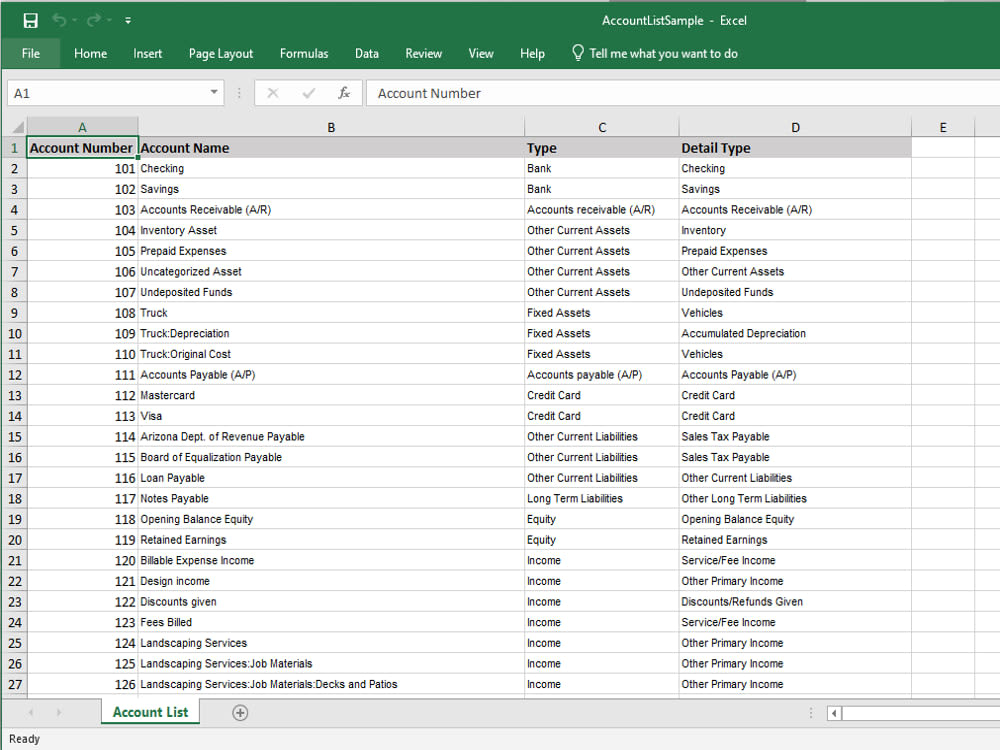
    • Spreadsheet Software: Spreadsheets are a versatile tool for tracking income and expenses. You can create custom formulas to calculate totals, track trends, and generate reports. Popular spreadsheet software includes Microsoft Excel, Google Sheets, and OpenOffice Calc.
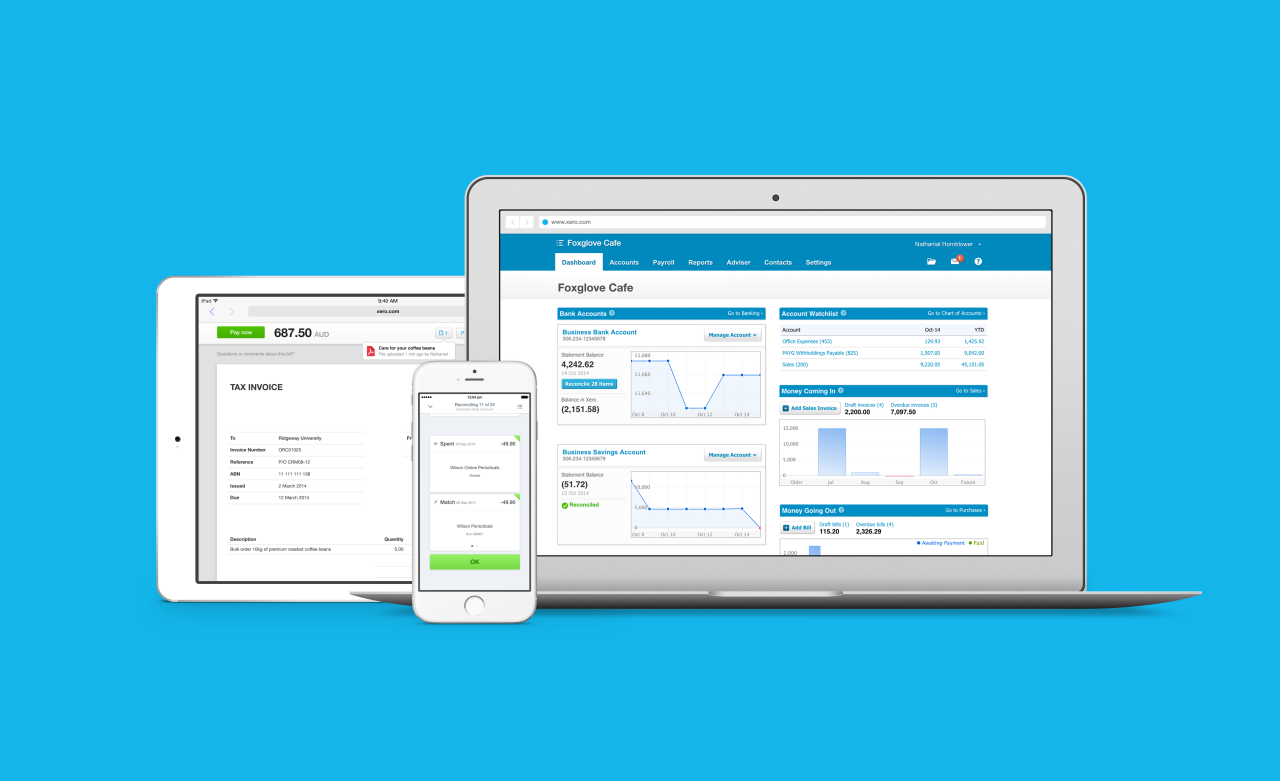
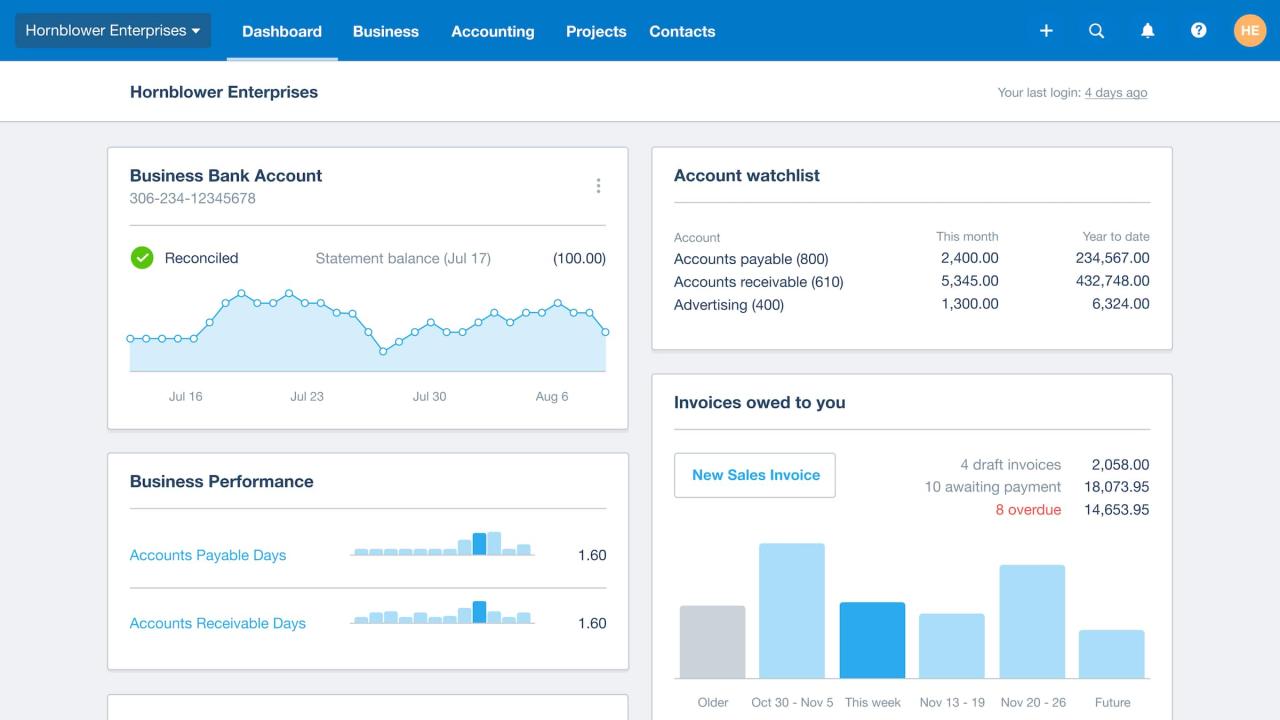
    • Accounting Software: Accounting software provides a more comprehensive approach to managing business finances. It offers features such as invoicing, expense tracking, bank reconciliation, and financial reporting. Some popular accounting software options include QuickBooks, Xero, and FreshBooks.
    • Manual Tracking: While less efficient, manual tracking can be effective for small businesses with low transaction volumes. You can use notebooks, journals, or spreadsheets to record income and expenses.

    Tax Implications

    Separate business and personal finances

    Separating your business and personal finances offers significant advantages when it comes to tax preparation. By keeping these aspects distinct, you can streamline the process, potentially reduce your tax liability, and avoid potential penalties.

    Tax Deductions for Businesses and Individuals

    Keeping separate financial records allows for clear identification of business expenses and personal expenditures. This simplifies the process of claiming eligible tax deductions.

    • Business Expenses: Businesses can deduct a wide range of expenses directly related to their operations, including rent, utilities, supplies, marketing costs, and employee salaries.
    • Individual Expenses: Individuals can claim deductions for various expenses, including mortgage interest, property taxes, charitable donations, and medical expenses.

    Maximizing Tax Benefits with Organized Records

    Maintaining well-organized financial records is crucial for maximizing tax benefits. This involves keeping receipts, invoices, bank statements, and other relevant documents in a structured manner.

    “A well-organized system ensures that you can quickly access necessary information when filing your taxes, reducing the risk of missing out on eligible deductions.”

    • Digital Accounting Software: Using accounting software can automate record-keeping, making it easier to track expenses, categorize transactions, and generate reports.
    • Cloud-Based Storage: Storing your financial documents in the cloud provides secure access from any device and facilitates easy sharing with tax professionals.
    • Regular Review: Periodically reviewing your financial records ensures accuracy and helps identify any potential issues or discrepancies.

    Tools and Resources

    Bookkeeping personal business separate basics finances choose board separating money

    Managing separate finances for your business and personal life can be simplified with the right tools and resources. This section will provide you with a list of useful software and apps, resources for finding financial professionals, and the benefits of using online banking platforms for both your business and personal finances.

    Financial Software and Apps, Separate business and personal finances

    Financial software and apps can help you manage your finances, track spending, create budgets, and set financial goals.

    • Personal Finance Software: Popular personal finance software options include Mint, Personal Capital, and YNAB (You Need a Budget). These platforms allow you to connect your bank accounts, credit cards, and investment accounts to track your spending and income in one place. They can also help you create budgets, set financial goals, and monitor your progress.
    • Business Accounting Software: For business finances, you can use accounting software like QuickBooks, Xero, and FreshBooks. These platforms provide features for tracking income and expenses, generating invoices, managing payroll, and preparing tax reports. They often integrate with online banking platforms for easy account reconciliation.
    • Mobile Apps: Many financial software companies also offer mobile apps that allow you to access your accounts and manage your finances on the go. Mobile apps provide convenience and flexibility, allowing you to monitor your spending, make payments, and transfer funds from anywhere with an internet connection.

    Finding Accounting Professionals and Financial Advisors

    • Professional Organizations: Organizations like the American Institute of Certified Public Accountants (AICPA) and the National Association of Certified Valuation Analysts (NACVA) can provide directories of certified accounting professionals in your area. You can also find qualified financial advisors through organizations like the Certified Financial Planner Board of Standards (CFP Board) or the National Association of Personal Financial Advisors (NAPFA).
    • Referrals: Seek recommendations from trusted friends, family, or business associates. Ask for referrals from other business owners or professionals you admire.
    • Online Platforms: Websites like NerdWallet, Bankrate, and Investopedia provide resources for finding financial advisors, including reviews and comparisons of different professionals.

    Online Banking Platforms

    Online banking platforms offer a convenient way to manage both your business and personal finances.

    • Account Management: You can access your accounts, view transaction history, and monitor balances anytime, anywhere.
    • Bill Pay: Online banking allows you to schedule bill payments, set reminders, and track payment confirmations.
    • Transfer Funds: Transfer money between accounts easily and securely.
    • Security: Reputable online banking platforms use advanced security measures to protect your financial information.
    • Mobile Access: Most online banking platforms have mobile apps that provide access to your accounts from your smartphone or tablet.

    ArraySeparate business and personal finances

    It’s crucial to be aware of common pitfalls when managing separate finances to avoid potential financial distress and maintain a healthy financial life. Understanding these mistakes and implementing preventive measures can significantly enhance your financial well-being.

    Mixing Personal and Business Expenses

    Mixing personal and business expenses can lead to inaccurate financial records, making it challenging to track profitability, claim legitimate tax deductions, and manage your personal finances effectively.

    • Inaccurate Financial Records: When personal and business expenses are mixed, it becomes difficult to distinguish between them, leading to inaccurate financial records. This makes it challenging to track your business’s profitability, analyze spending patterns, and make informed financial decisions.
    • Missed Tax Deductions: Business expenses are often deductible for tax purposes. Mixing personal and business expenses can result in missing out on these deductions, increasing your tax liability.
    • Personal Financial Strain: Mixing expenses can lead to personal financial strain. If you’re using personal funds to cover business expenses, it can create a financial imbalance, potentially impacting your ability to meet personal financial obligations.

    How to Avoid:* Use separate bank accounts for personal and business finances.

    • Track all expenses meticulously, clearly labeling them as personal or business.
    • Employ accounting software to automate expense tracking and reporting.
    • Consult a financial advisor or accountant for guidance on tax deductions and financial management.

    Not Saving Enough for Business Emergencies

    Not having a dedicated emergency fund for your business can lead to significant financial challenges when unexpected expenses arise, potentially hindering growth and stability.

    • Financial Instability: Without an emergency fund, unexpected events like equipment failure, legal issues, or market downturns can lead to financial instability, jeopardizing your business’s operations and survival.
    • Borrowing at High Interest Rates: When facing unexpected expenses without a dedicated emergency fund, businesses often resort to high-interest loans, increasing financial burdens and potentially hindering long-term growth.
    • Delayed Growth: A lack of an emergency fund can force businesses to delay growth opportunities due to financial constraints, limiting expansion and potentially missing out on crucial market opportunities.

    How to Avoid:* Establish a separate business emergency fund.

    • Aim to save at least 3-6 months of operating expenses.
    • Consider using a dedicated savings account or a high-yield savings account to maximize returns.
    • Develop a business contingency plan to address potential financial emergencies.

    Ignoring Financial Planning

    Neglecting financial planning can lead to poor decision-making, inadequate financial management, and potentially missed opportunities for growth and wealth creation.

    • Poor Financial Decisions: Without a clear financial plan, businesses may make impulsive decisions based on short-term gains, leading to financial instability and potentially long-term consequences.
    • Inadequate Financial Management: A lack of financial planning can result in inadequate financial management, including insufficient budgeting, poor cash flow management, and inadequate risk assessment, potentially hindering business growth and profitability.
    • Missed Opportunities: Financial planning allows businesses to identify and capitalize on growth opportunities. Without a plan, businesses may miss out on strategic investments, acquisitions, or expansion opportunities.

    How to Avoid:* Create a comprehensive business financial plan that Artikels goals, strategies, and financial projections.

    • Regularly review and update your financial plan to reflect changes in the market and business environment.
    • Consult with a financial advisor or accountant to develop a tailored financial plan that aligns with your business objectives.

    Not Investing Wisely

    Investing is a crucial aspect of business growth and financial security, but neglecting proper research and diversification can lead to significant financial losses and hinder long-term success.

    • Financial Losses: Investing in high-risk ventures without adequate research and diversification can lead to substantial financial losses, potentially jeopardizing your business’s financial stability.
    • Missed Growth Opportunities: Investing in low-risk, low-return assets can hinder your business’s growth potential. Diversifying your investment portfolio allows you to capitalize on different market sectors and potentially achieve higher returns.
    • Lack of Financial Security: A poorly diversified investment portfolio can leave your business vulnerable to market fluctuations, potentially impacting your financial security and long-term sustainability.

    How to Avoid:* Conduct thorough research before making any investment decisions.

    • Diversify your investment portfolio across different asset classes, such as stocks, bonds, and real estate.
    • Consult with a financial advisor or investment professional to develop a tailored investment strategy that aligns with your risk tolerance and financial goals.

    In conclusion, maintaining separate business and personal finances is a fundamental aspect of responsible financial management. It fosters clarity, accountability, and ultimately contributes to the long-term success of your business and personal life. By embracing this practice, you can navigate the complexities of financial obligations with confidence and peace of mind.

    FAQs

    What are the main benefits of separating business and personal finances?

    Separating finances offers several benefits, including: simplified accounting, accurate tax reporting, protection of personal assets, improved financial planning, and a clearer understanding of your financial position.

    How do I choose the right bank accounts for my business and personal finances?

    The best bank accounts depend on your specific needs. For business accounts, consider features like online banking, credit lines, and merchant services. For personal accounts, focus on interest rates, fees, and convenient access.

    What are some common mistakes to avoid when managing separate finances?

    Common mistakes include: commingling funds, neglecting to track expenses, failing to create a budget, and neglecting to seek professional advice when needed.


  • How to Separate Personal and Business Finances A Guide to Financial Stability

    How to Separate Personal and Business Finances A Guide to Financial Stability

    SuaraPublik – How to separate personal and business finances sets the stage for this enthralling narrative, offering readers a glimpse into a story that is rich in detail and brimming with originality from the outset. Keeping your personal and business finances separate is essential for any entrepreneur or small business owner. It not only protects your personal assets but also helps you manage your finances effectively, make informed decisions, and ensure long-term financial stability.

    This guide will explore the crucial steps involved in achieving this separation, from setting up dedicated accounts to implementing effective tracking and budgeting strategies.

    This guide will cover the key aspects of separating personal and business finances, from setting up dedicated accounts and managing expenses to navigating tax considerations and legal requirements. We’ll also explore how technology can streamline financial processes and the importance of seeking professional advice. By following these steps, you can establish a clear financial framework that supports your business growth and protects your personal well-being.

    The Importance of Separation

    How to separate personal and business finances

    Keeping your personal and business finances separate is crucial for maintaining financial stability and clarity. It allows you to track income and expenses effectively, making informed decisions about your business and personal finances.

    Benefits of Maintaining Separate Accounts

    Keeping personal and business finances separate offers several advantages:

    • Accurate Financial Tracking: Separate accounts provide a clear picture of your business’s financial health. You can easily track income, expenses, and profitability, enabling you to make informed decisions about pricing, spending, and investment.
    • Simplified Tax Filing: Separating finances simplifies tax preparation. You can easily distinguish business income and expenses from personal ones, ensuring accurate tax reporting and minimizing potential audits.
    • Improved Financial Management: Separate accounts promote disciplined financial management. You can allocate funds for specific purposes, preventing personal funds from being used for business expenses and vice versa.
    • Protection from Personal Liability: In the event of business debts or legal issues, maintaining separate finances protects your personal assets. Creditors cannot access your personal funds if your business faces financial difficulties.

    Risks of Mixing Personal and Business Finances

    Blending personal and business finances can lead to significant financial risks:

    • Financial Instability: Mixing finances can make it difficult to track expenses and income, leading to inaccurate financial records and potentially jeopardizing your business’s stability.
    • Increased Tax Liability: Mixing personal and business finances can result in incorrect tax reporting, leading to penalties and fines. You might miss deductions or claim expenses inappropriately.
    • Personal Liability Exposure: Blending finances can expose your personal assets to business debts and legal claims. Creditors may be able to pursue your personal assets if your business fails to meet its financial obligations.

    Examples of Financial Instability Due to Blending Finances

    Here are examples of how blurred financial lines can lead to financial instability:

    • Using Business Funds for Personal Expenses: If you use business funds for personal expenses, such as vacations or entertainment, you may find it difficult to track your business’s true profitability. This can lead to inaccurate financial reporting and potentially undermine your business’s financial stability.
    • Using Personal Funds for Business Expenses: Conversely, using personal funds for business expenses can make it challenging to determine your personal financial position. You might find yourself struggling to pay personal bills or make personal investments due to business expenses draining your personal funds.
    • Lack of Clear Financial Boundaries: Without clear financial boundaries between personal and business finances, it can be difficult to identify and address financial issues in either area. This can lead to delayed action and potential financial difficulties for both your personal and business life.

    Setting Up Separate Accounts

    How to separate personal and business finances

    Opening dedicated business bank accounts is a crucial step in separating your personal and business finances. It provides a clear distinction between your personal funds and business income and expenses, making it easier to track, manage, and report your business finances.

    Types of Business Bank Accounts

    There are various types of business bank accounts available, each designed to cater to specific business needs. Choosing the right type depends on your business structure, industry, and financial goals.

    • Business Checking Account: A business checking account is the most common type of account for day-to-day transactions. It allows you to deposit and withdraw funds, write checks, and make electronic payments. This account is ideal for managing your business’s operating expenses and receiving payments from customers.
    • Business Savings Account: A business savings account is designed to help you accumulate funds for future business needs. It typically offers a higher interest rate than a checking account, but you may face restrictions on withdrawals. This account is suitable for saving for business expansion, equipment purchases, or unexpected expenses.
    • Business Line of Credit: A business line of credit provides a flexible source of funding that you can access as needed. It acts like a revolving loan, allowing you to borrow up to a certain limit and repay the borrowed amount over time. This account is beneficial for managing cash flow fluctuations and covering unexpected expenses.

    Features and Benefits of Different Business Accounts

    Each type of business account offers specific features and benefits that can be advantageous for different businesses.

    Account TypeFeaturesBenefits
    Business Checking Account
    • Debit Card
    • Check Writing
    • Online Banking
    • Mobile Banking
    • Direct Deposit
    • Convenient for Daily Transactions
    • Easy to Manage Expenses
    • Access to Funds for Operating Costs
    Business Savings Account
    • Higher Interest Rates
    • Limited Withdrawals
    • Online Banking
    • Mobile Banking
    • Growth of Business Funds
    • Security for Future Expenses
    • Protection Against Inflation
    Business Line of Credit
    • Flexible Funding
    • Revolving Loan
    • Pre-approved Limit
    • Interest Charges on Used Funds
    • Quick Access to Funds
    • Cash Flow Management
    • Flexibility for Unexpected Expenses

    ArrayFinances personal business separate tweet important why

    In today’s digital age, technology plays a crucial role in streamlining financial processes, making it easier to manage both personal and business finances. Automation tools can significantly reduce manual effort and improve efficiency, freeing up time for other important tasks.

    Automated Expense Tracking

    Automated expense tracking tools can help you categorize and monitor your spending, making it easier to identify areas where you can save money. These tools often integrate with your bank accounts, credit cards, and other financial accounts to automatically record transactions. Many apps allow you to take photos of receipts and automatically extract relevant information.

    Online Banking and Payment Platforms

    Online banking platforms offer a convenient way to manage your finances from anywhere with an internet connection. You can view account balances, transfer funds, pay bills, and even set up automatic payments. Payment platforms like PayPal and Venmo facilitate secure online transactions for both personal and business purposes.

    Data Security and Privacy, How to separate personal and business finances

    When using financial technology, it’s essential to prioritize data security and privacy. Ensure that you’re using reputable platforms and services with robust security measures. Regularly review your account activity and enable two-factor authentication for added protection. It’s also important to be aware of phishing scams and other security threats.

    Maintaining separate personal and business finances is a cornerstone of responsible financial management for any business owner. By establishing clear boundaries between your personal and professional finances, you create a solid foundation for financial stability, efficient decision-making, and long-term success. Whether you are a seasoned entrepreneur or just starting out, this guide provides a comprehensive framework for navigating the complexities of financial separation.

    Remember, seeking professional advice and utilizing available technology can further enhance your financial journey and empower you to make informed decisions that drive your business forward.

    Essential Questionnaire: How To Separate Personal And Business Finances

    What are the potential legal consequences of mixing personal and business finances?

    Mixing personal and business finances can lead to legal complications, such as personal liability for business debts and potential tax penalties. It’s crucial to maintain separate accounts to protect your personal assets and ensure compliance with legal and regulatory requirements.

    How can I choose the right business bank account?

    The best business bank account depends on your specific needs and the nature of your business. Consider factors such as transaction volume, fees, interest rates, and available features when making your choice.

    What are some tips for tracking business expenses effectively?

    Use dedicated business credit cards, keep detailed receipts and invoices, categorize expenses for analysis, and utilize accounting software or apps for streamlined expense management.

    Can I claim personal expenses as business deductions?

    Generally, personal expenses are not deductible for business purposes. Consult with a tax advisor to ensure you are claiming only legitimate business deductions. (*)


  • Separating Business and Personal Finances A Guide to Financial Clarity

    Separating Business and Personal Finances A Guide to Financial Clarity

    SuaraPublik – Separating business and personal finances is a crucial step for any entrepreneur or small business owner. This practice not only safeguards your personal assets but also streamlines your financial management, allowing you to make informed decisions for both your business and personal life. By keeping your finances distinct, you gain a clearer picture of your business’s financial health and can confidently navigate the complexities of legal and tax obligations.

    This guide delves into the practical aspects of separating business and personal finances, exploring the importance of setting up separate accounts, establishing efficient tracking systems, and understanding the legal and tax implications. We’ll also discuss how separating your finances can benefit your business growth and expansion.

    Legal and Tax Implications: Separating Business And Personal Finances

    Separating business and personal finances

    Separating business and personal finances is not just about good organization; it has significant legal and tax implications. Failing to do so can lead to legal issues and unnecessary tax burdens. This section explores the legal requirements and tax implications of separating business and personal finances.

    Legal Requirements for Separating Business and Personal Finances

    Keeping business and personal finances separate is crucial for legal compliance and establishing a clear financial picture for your business. Here are some legal requirements to consider:

    • Formation of a Business Entity: When setting up a business, choosing the right legal structure (e.g., sole proprietorship, partnership, LLC, corporation) is crucial. Each structure has different legal and tax implications. For example, forming a Limited Liability Company (LLC) provides a legal shield, separating your personal assets from business liabilities.
    • Separate Bank Accounts: Maintaining separate bank accounts for your business and personal finances is a fundamental requirement. This ensures clear tracking of income and expenses, making it easier to manage your business finances and comply with tax regulations.
    • Compliance with Regulations: Depending on your industry and business structure, you might need to comply with specific regulations regarding record-keeping, financial reporting, and accounting practices. These regulations can vary significantly depending on the state and federal laws applicable to your business.

    Tax Implications of Commingling Funds

    Commingling funds, the practice of mixing business and personal finances, can lead to significant tax complications. Here are some key implications:

    • Difficulty in Tracking Expenses: When business and personal expenses are mixed, it becomes challenging to accurately track deductible business expenses. This can lead to missed deductions and potential audits from the Internal Revenue Service (IRS).
    • Increased Tax Liability: If business income is not properly separated, you might be taxed on personal income that should have been categorized as business income. This can result in higher tax liability and potential penalties.
    • Potential for Legal Disputes: In case of legal disputes or audits, commingling funds can make it difficult to prove the legitimacy of business expenses and income, potentially leading to legal complications and financial penalties.

    Common Tax Deductions and Credits for Business Expenses

    Separating business and personal finances allows you to take advantage of tax deductions and credits available for business expenses. Here are some common deductions:

    • Office Expenses: This includes costs related to office supplies, rent, utilities, internet, and other expenses associated with running your business.
    • Travel Expenses: If you travel for business purposes, you can deduct expenses related to transportation, lodging, and meals.
    • Marketing and Advertising: Expenses related to promoting your business, such as website development, social media marketing, and advertising campaigns, are generally deductible.
    • Salaries and Wages: If you employ others, you can deduct salaries, wages, and benefits paid to employees.
    • Depreciation: You can deduct a portion of the cost of assets, such as equipment, vehicles, and furniture, over their useful life.

    ArrayBusiness finances personal financial why separating separate seek owners mingle keep simple things their may

    Separating business and personal finances is crucial for achieving long-term business growth and expansion. This separation allows for a clear understanding of financial performance, attracts investors, and facilitates access to loans, ultimately propelling your business towards success.

    Attracting Investors and Securing Loans

    Maintaining separate accounts demonstrates financial discipline and transparency, making your business more attractive to potential investors. Investors seek a clear picture of a company’s financial health, and separate accounts provide this clarity. Similarly, lenders are more likely to approve loans when they see a clear separation between business and personal finances, as it indicates a commitment to responsible financial management.

    Managing Cash Flow and Investing Profits, Separating business and personal finances

    Separating business and personal finances enables efficient cash flow management. By tracking income and expenses exclusively for the business, you can identify areas for improvement, optimize spending, and make informed decisions about resource allocation. This clear financial picture allows you to reinvest profits strategically, fostering sustainable growth.

    Maintaining separate business and personal finances is an essential practice for any successful entrepreneur. By establishing clear boundaries and utilizing the right tools and strategies, you can effectively manage your finances, minimize risks, and pave the way for sustainable business growth. Remember, a well-organized financial structure empowers you to make informed decisions, attract investors, and confidently navigate the ever-changing business landscape.

    Questions and Answers

    What are the main benefits of separating business and personal finances?

    Separating your finances offers numerous benefits, including:

    • Clearer Financial Picture: You gain a precise understanding of your business’s performance and your personal financial standing.
    • Reduced Risk: Your personal assets are protected from business liabilities.
    • Simplified Tax Filing: Tax preparation becomes more straightforward and accurate.
    • Improved Credit Score: Your personal credit score won’t be affected by business debt.
    • Increased Business Credibility: Separating finances demonstrates professionalism and financial responsibility to investors and lenders.

    What if I’m a sole proprietor or freelancer? Do I still need to separate finances?

    Yes, even if you’re a sole proprietor or freelancer, separating business and personal finances is highly recommended. It offers the same benefits as mentioned above, including protection of personal assets, simplified tax filing, and increased credibility.

    What are some examples of financial records I should maintain for both business and personal expenses?

    For both business and personal finances, it’s crucial to keep detailed records of income, expenses, invoices, receipts, bank statements, and tax documents. These records will help you track your financial activities, prepare tax returns, and make informed financial decisions. (*)


  • QuickBooks Chart of Accounts Mastering Personal Finance

    QuickBooks Chart of Accounts Mastering Personal Finance

    SuaraPublik – QuickBooks chart of accounts for personal finance provides a structured framework for managing your financial life. It’s a powerful tool that helps you track income, expenses, assets, and liabilities, offering insights into your financial health and empowering you to make informed decisions about your money.

    By creating a personalized chart of accounts in QuickBooks, you gain a clear picture of your financial landscape. You can categorize your income sources, track your spending habits, and monitor your assets and liabilities. This level of detail empowers you to identify areas for improvement, make informed financial decisions, and ultimately achieve your financial goals.

    Understanding QuickBooks Chart of Accounts

    Quickbooks chart of accounts for personal finance

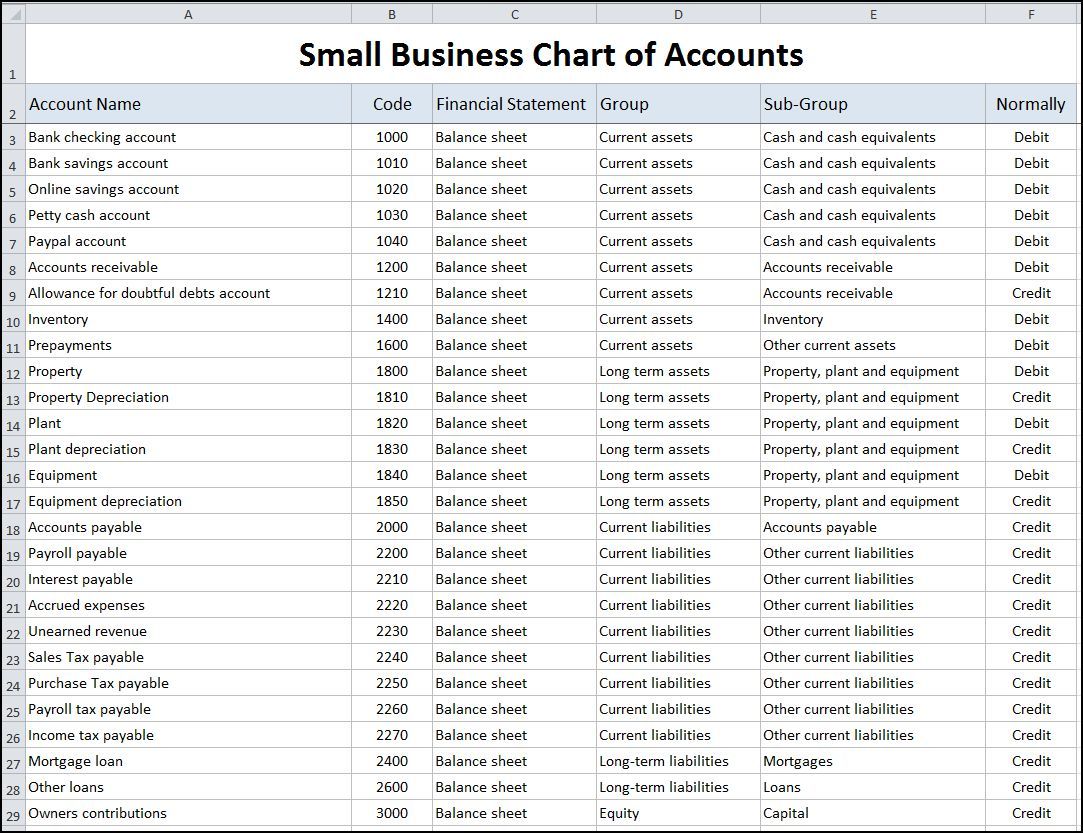
    A chart of accounts is a comprehensive list of all the financial accounts used by a business or individual to track their financial transactions. It’s essentially a financial blueprint that helps you categorize and organize your income, expenses, assets, and liabilities. For personal finance, it provides a clear picture of your financial health and allows you to make informed decisions about your money.

    Importance of a Chart of Accounts for Personal Finance

    A chart of accounts is crucial for personal finance as it:

    • Provides a structured way to track your income and expenses: By categorizing your transactions, you gain insights into your spending patterns and identify areas where you can save money.
    • Facilitates budgeting and financial planning: A well-organized chart of accounts allows you to create realistic budgets, set financial goals, and monitor your progress towards achieving them.
    • Simplifies tax preparation: Having your financial data organized makes it easier to prepare your tax returns and ensure you claim all eligible deductions.
    • Offers a clear picture of your financial position: The chart of accounts provides a snapshot of your assets, liabilities, and net worth, enabling you to assess your overall financial health.

    Benefits of Using QuickBooks for Personal Finance Management

    QuickBooks offers several advantages for managing your personal finances:

    • Intuitive interface: QuickBooks provides a user-friendly interface that makes it easy to categorize transactions and track your finances.
    • Automated features: QuickBooks can automate tasks like bank reconciliation and bill payment, saving you time and reducing the risk of errors.
    • Comprehensive reporting: QuickBooks offers a wide range of reports, including balance sheets, income statements, and cash flow statements, providing a detailed view of your financial performance.
    • Mobile access: QuickBooks mobile apps allow you to manage your finances on the go, providing real-time insights into your spending and financial health.

    Comparison of Chart of Accounts Structures

    While the core principles remain similar, the structure of a chart of accounts for business and personal finance differs:

    FeatureBusiness Chart of AccountsPersonal Chart of Accounts
    FocusTracks income, expenses, assets, and liabilities related to business operationsTracks income, expenses, assets, and liabilities related to personal finances
    ComplexityTypically more complex, with detailed accounts for specific business activitiesGenerally simpler, focusing on major categories of income, expenses, and assets
    ExamplesSales Revenue, Cost of Goods Sold, Accounts Receivable, Accounts PayableSalary Income, Rent Expense, Savings Account, Credit Card Debt

    ArrayQuickbooks

    QuickBooks is a powerful tool for managing your personal finances, and one of its key features is the ability to track your income and expenses effectively. This allows you to gain a clear understanding of your financial situation, make informed decisions about your spending, and ultimately achieve your financial goals.

    Recording Income Sources, Quickbooks chart of accounts for personal finance

    Recording your income sources in QuickBooks is a simple yet crucial step in managing your finances. It helps you keep track of all the money coming into your accounts, enabling you to create accurate financial reports and make informed decisions about your spending.

    • Salaries: Enter your regular salary payments as income. Specify the date of payment, the amount received, and the source (e.g., your employer’s name). You can also set up recurring income entries for regular salary payments, simplifying the process.
    • Investments: Track income from investments such as dividends, interest, or capital gains. When you receive income from investments, record the date, the amount received, and the specific investment source. This allows you to monitor the performance of your investments and make informed decisions about your investment portfolio.
    • Other Income Streams: Record any other income you receive, such as freelance work, rental income, or income from side hustles. Ensure you accurately describe the source of the income to maintain clarity in your financial records.

    Tracking Expenses

    Tracking your expenses in QuickBooks is equally important as recording income. It helps you identify areas where you can potentially cut back on spending, optimize your budget, and ultimately control your finances.

    • Categories: QuickBooks provides a range of pre-defined expense categories such as “Food,” “Housing,” “Transportation,” and “Entertainment.” These categories offer a basic framework for organizing your expenses. You can categorize your expenses according to these pre-defined categories or create custom categories that better suit your needs.
    • Subcategories: For a more detailed breakdown of your expenses, you can use subcategories within the main categories. For example, within the “Food” category, you can create subcategories like “Groceries,” “Dining Out,” and “Takeout.” This level of detail provides a more granular view of your spending habits, allowing you to identify specific areas for potential cost reduction.
    • Custom Fields: You can create custom fields to add additional information to your expense entries. This can include details like the vendor name, invoice number, or any other relevant information. This allows you to further refine your expense tracking and create customized reports that meet your specific needs.

    Common Personal Expense Categories

    Here is a table outlining common personal expense categories with examples of specific expenses within each category:

    CategoryExamples
    HousingRent/Mortgage, Property Taxes, Utilities, Home Insurance, HOA Fees
    TransportationCar Payment, Gas, Public Transportation, Parking Fees, Tolls
    FoodGroceries, Dining Out, Takeout, Coffee, Snacks
    EntertainmentMovies, Concerts, Travel, Hobbies, Sports
    HealthcareHealth Insurance, Doctor’s Visits, Prescriptions, Dental Care
    Personal CareHaircuts, Clothing, Cosmetics, Personal Hygiene Products
    EducationTuition, Books, Supplies, Online Courses
    GiftsBirthday Gifts, Holiday Gifts, Charitable Donations
    SavingsRetirement Savings, Emergency Fund, Savings Goals

    Utilizing QuickBooks for personal finance is like having a personal financial advisor at your fingertips. With its robust features, you can effectively manage your income and expenses, analyze your financial data, and create a budget that aligns with your goals. By embracing this powerful tool, you gain control over your finances and pave the way for a more secure and prosperous future.

    Clarifying Questions: Quickbooks Chart Of Accounts For Personal Finance

    Can I use QuickBooks for free for personal finance?

    QuickBooks offers a free trial for its software, but you’ll need a paid subscription for continued use.

    Is QuickBooks suitable for managing multiple bank accounts?

    Yes, QuickBooks allows you to link multiple bank accounts and credit cards for seamless transaction tracking.

    Can I customize my chart of accounts in QuickBooks?

    Absolutely! You can add, edit, and delete account categories to tailor the chart of accounts to your specific financial needs.

    How often should I review my QuickBooks data?

    It’s recommended to review your financial data regularly, ideally at least monthly, to monitor your progress and make adjustments as needed. (*)


  • Using Xero for Personal Finances A Comprehensive Guide

    Using Xero for Personal Finances A Comprehensive Guide

    SuaraPublik – Using Xero for personal finances offers a powerful and streamlined approach to managing your money. Beyond its reputation as a business accounting software, Xero provides a user-friendly platform for individuals to track income, expenses, and investments, all in one place. This guide delves into the key features and functionalities that make Xero a valuable tool for personal finance management, exploring its ability to simplify budgeting, automate transactions, and provide insightful financial reports.

    Whether you’re seeking to gain greater control over your spending, streamline your bill payments, or develop a comprehensive financial plan, Xero offers a robust set of tools designed to meet your needs. This guide will walk you through setting up your Xero account, connecting your bank accounts, creating budgets, and leveraging the platform’s powerful reporting features to gain a deeper understanding of your financial picture.

    Setting Up Xero for Personal Finance: Using Xero For Personal Finances

    Xero, a cloud-based accounting software, can be a valuable tool for managing your personal finances. It provides a comprehensive platform to track your income, expenses, and assets, offering features that simplify budgeting and financial planning.

    Creating a Xero Account

    To get started with Xero for personal finance, you need to create an account. Here’s how:

    1. Visit the Xero website and click on the “Sign Up” button.
    2. Select “Personal” as your account type.
    3. Enter your email address, create a password, and choose your country.
    4. Accept the terms and conditions and click on the “Create Account” button.

    Connecting Bank Accounts and Credit Cards

    Once you have a Xero account, you can connect your bank accounts and credit cards to automate transaction recording. This saves you time and effort by eliminating the need for manual entry.

    1. Navigate to the “Bank” section in your Xero account.
    2. Click on the “Add Bank Account” button.
    3. Select your bank from the list or search for it manually.
    4. Enter your online banking credentials to allow Xero to securely access your account data.
    5. Xero will automatically import your transactions, categorizing them based on the transaction description.

    Customizing Categories and Creating Budgets

    Xero allows you to customize categories and create budgets to gain better control over your finances.

    1. Navigate to the “Chart of Accounts” section to manage your expense and income categories.
    2. Click on “Add Account” to create new categories or edit existing ones.
    3. To create a budget, go to the “Budgets” section and click on “Add Budget.”
    4. Choose a budget period (monthly, quarterly, or annually) and allocate funds to different categories.
    5. Xero will track your spending against your budget, providing insights into your financial behavior.

    Tracking Income and Expenses with Xero

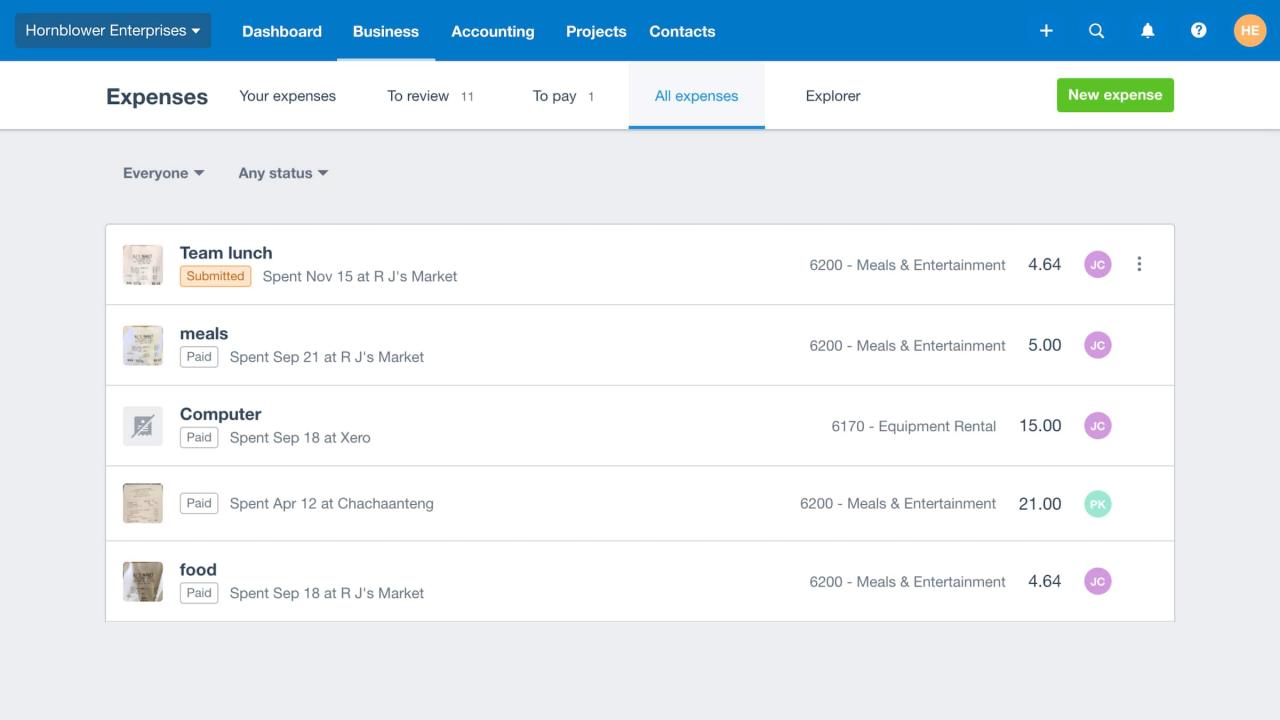
    Xero simplifies tracking your income and expenses, providing a clear picture of your financial health. It automatically categorizes transactions based on merchant names and descriptions, making it easy to see where your money is going. However, you can also manually categorize transactions for greater control and more detailed insights.

    Automatic Transaction Categorization

    Xero uses its intelligent technology to automatically categorize transactions based on merchant names and descriptions. This means you don’t have to manually categorize every transaction, saving you time and effort. For example, if you make a purchase at a grocery store, Xero will likely categorize it as “Food & Drink.” This feature is particularly helpful for recurring transactions, such as utility bills or subscriptions.

    Manually Categorizing Transactions

    While Xero’s automatic categorization is efficient, manually categorizing transactions can provide a more detailed and personalized view of your finances. This is especially important for transactions that might not be easily categorized automatically, such as transfers between accounts or payments for services. To manually categorize a transaction, simply click on the transaction in your Xero account and select the appropriate category from the dropdown menu.

    Xero offers a wide range of categories, allowing you to customize your financial tracking to meet your specific needs. For example, you can categorize transactions related to your car into “Car Maintenance,” “Car Insurance,” or “Car Fuel.”

    Using Xero’s Reporting Features

    Xero’s reporting features are a powerful tool for analyzing your spending patterns and identifying areas for improvement. The platform offers a variety of reports, including:

    • Profit and Loss Report: This report shows your income and expenses over a specific period, giving you a clear picture of your financial performance.
    • Balance Sheet Report: This report provides a snapshot of your assets, liabilities, and equity at a specific point in time.
    • Cash Flow Statement: This report tracks the movement of cash in and out of your business, helping you understand your liquidity position.
    • Transaction List Report: This report provides a detailed list of all your transactions, including the date, amount, and category.

    By analyzing these reports, you can identify trends in your spending, track your progress towards your financial goals, and make informed decisions about your finances. For example, you might notice that you are spending more than you expected on entertainment or that you are not saving enough for retirement. This information can then be used to adjust your spending habits and achieve your financial goals.

    Managing Bills and Payments with Xero

    Using xero for personal finances

    Xero simplifies bill management and payment tracking, making it easy to stay on top of your personal finances. You can schedule and track bill payments, utilize Xero’s online payment functionality for recurring bills, and create invoices for personal expenses.

    Scheduling and Tracking Bill Payments

    Xero’s bill management features allow you to schedule and track bill payments, ensuring timely payments and avoiding late fees.

    • Add Bills: You can add bills directly to Xero by entering the bill details manually or importing them from a spreadsheet or bank statement.
    • Set Payment Reminders: Xero will send you email reminders before a bill’s due date, ensuring you never miss a payment.
    • Track Payment History: Xero keeps a detailed record of all your bill payments, making it easy to track your payment history and reconcile your accounts.

    Using Xero’s Online Payment Functionality for Recurring Bills

    Xero’s online payment functionality offers a convenient way to manage recurring bills, such as rent, utilities, and subscriptions.

    • Automated Payments: Set up automated payments for recurring bills, ensuring timely payments without manual intervention.
    • Secure Payment Processing: Xero uses secure payment gateways, ensuring the safety of your financial information during online transactions.
    • Track Payment Status: You can track the status of your online payments within Xero, ensuring transparency and control over your finances.

    Creating and Managing Invoices for Personal Expenses

    While invoices are often associated with businesses, Xero allows you to create and manage invoices for personal expenses, such as rent or utilities, especially when sharing expenses with roommates or housemates.

    • Create Invoices: You can create invoices for personal expenses, including details like the expense type, amount, and due date.
    • Send Invoices: Send invoices directly from Xero to your roommates or housemates via email, simplifying the process of requesting payment.
    • Track Invoice Payments: Xero tracks invoice payments, providing a clear overview of outstanding balances and payment history.

    Budgeting and Financial Planning with Xero

    Using xero for personal finances

    Xero can be a powerful tool for managing your personal finances and achieving your financial goals. Its budgeting features allow you to create detailed budgets, track spending, and analyze your financial performance, empowering you to make informed decisions about your money.

    Creating and Managing Budgets in Xero

    Xero provides a simple and intuitive way to create and manage budgets. You can start by setting up budget categories that align with your spending habits and financial goals. These categories can include essentials like housing, utilities, and groceries, as well as discretionary spending such as entertainment, travel, and dining. To create a budget in Xero, you’ll need to:

    • Navigate to the “Budgets” section in your Xero dashboard.
    • Select “Create Budget” and choose a budget period, such as monthly or annually.
    • Enter your budgeted amounts for each category.
    • Save your budget.

    Once you’ve created your budget, Xero will automatically track your spending against your budgeted amounts. This allows you to see how you’re doing at a glance and make adjustments as needed.

    Setting Realistic Financial Goals and Tracking Progress, Using xero for personal finances

    Setting realistic financial goals is crucial for staying motivated and achieving financial success. When setting goals, it’s important to consider your current financial situation, income, and expenses. Break down large goals into smaller, more achievable steps. Here are some tips for setting realistic financial goals:

    • Start small: Begin with small, achievable goals that build momentum and confidence. For example, you could set a goal to save $100 per month for six months.
    • Be specific: Define your goals clearly and quantifiably. Instead of saying “I want to save more,” say “I want to save $5,000 in the next year.”
    • Set a timeline: Assign a deadline for achieving your goals. This creates a sense of urgency and helps you stay on track.
    • Track your progress: Regularly monitor your progress towards your goals and celebrate milestones along the way.

    Xero’s reporting features can help you track your progress towards your financial goals. You can create custom reports to view your income, expenses, and net worth over time. This data can provide valuable insights into your financial health and help you identify areas where you can improve.

    Analyzing Budget Performance and Making Adjustments

    Regularly analyzing your budget performance is essential for staying on track and making necessary adjustments. Xero provides a range of reporting tools to help you understand your spending patterns and identify areas where you can save money. You can use Xero’s reports to:

    • Compare actual spending to budgeted amounts: This will help you identify areas where you’re overspending or underspending.
    • Track your progress towards financial goals: This can help you stay motivated and make necessary adjustments to your budget.
    • Identify trends in your spending: This can help you understand your spending habits and make informed decisions about your money.

    Based on your analysis, you can make adjustments to your budget to better align with your financial goals. This might involve reducing spending in certain categories, increasing savings, or finding ways to increase your income.

    ArrayXero

    Xero understands the importance of protecting your financial data. They implement various security measures to ensure your personal information is safe and secure. This section will explore these measures and guide you on managing your account securely.

    Security Measures Implemented by Xero

    Xero employs multiple layers of security measures to safeguard your data. These measures include:

    • Data Encryption: Xero encrypts all data in transit and at rest, meaning your data is protected both while being transmitted and stored on Xero’s servers.
    • Secure Authentication: Xero utilizes two-factor authentication (2FA) to add an extra layer of security to your account. This requires you to enter a code from your phone or authenticator app in addition to your password when logging in.
    • Regular Security Audits: Xero conducts regular security audits to identify and address any potential vulnerabilities in their systems. These audits help ensure that Xero’s security measures remain robust and effective.
    • Compliance with Industry Standards: Xero adheres to industry standards for data security, such as ISO 27001, SOC 2, and PCI DSS. This demonstrates their commitment to maintaining a high level of security for your data.

    Managing User Access and Permissions in Xero

    You can control who has access to your Xero account and what they can do within it. This is crucial for maintaining the privacy and security of your financial information.

    • User Roles and Permissions: Xero allows you to create different user roles with specific permissions. For example, you can create a user with read-only access to view transactions but not make changes. This allows you to share your account with others without compromising your financial security.
    • Password Management: It’s essential to use strong passwords for your Xero account and avoid using the same password for multiple accounts. You should also regularly change your password to prevent unauthorized access.

    Tips for Maintaining a Secure and Private Xero Account

    Here are some tips to ensure your Xero account remains secure and private:

    • Enable Two-Factor Authentication: As mentioned earlier, 2FA is a crucial security measure that adds an extra layer of protection to your account.
    • Be Cautious of Phishing Attempts: Be wary of suspicious emails or links claiming to be from Xero. Never click on links or provide your login credentials in suspicious emails.
    • Regularly Review User Permissions: Periodically review the permissions granted to each user in your Xero account to ensure they are still appropriate.
    • Keep Your Software Updated: Xero regularly releases software updates to address security vulnerabilities. Ensure you update your Xero software to the latest version to maintain the highest level of security.

    By embracing the capabilities of Xero, individuals can unlock a new level of financial organization and clarity. From effortlessly tracking income and expenses to setting realistic budgets and managing investments, Xero empowers you to take control of your financial future. As you delve into the features and functionalities discussed in this guide, you’ll discover how Xero can be your trusted companion on your journey toward achieving your financial goals.

    Commonly Asked Questions

    Is Xero free for personal use?

    Xero offers a free 30-day trial for all users, after which you’ll need to choose a paid plan. The pricing varies depending on the features you require and the number of transactions you anticipate.

    Can I use Xero on my mobile device?

    Yes, Xero has a mobile app available for both iOS and Android devices, allowing you to access your accounts and manage your finances on the go.

    How secure is Xero for personal finance data?

    Xero employs robust security measures, including encryption and two-factor authentication, to protect user data. They also comply with industry standards and regulations to ensure the safety and privacy of your financial information.

    Can I import data from other financial tools into Xero?

    Yes, Xero allows you to import data from various sources, including bank statements and CSV files. You can also connect your bank accounts and credit cards for automated transaction updates.

    Does Xero offer customer support for personal users?

    Xero provides comprehensive customer support resources, including online help articles, FAQs, and a dedicated support team. You can contact them via phone, email, or live chat. (*)